Congratulations to the Latest Round of Faculty Members to Receive Tenure
Eleven members of the Vassar faculty in 10 academic disciplines have been granted tenure following a vote by the Board of Trustees last year. The faculty members were promoted from assistant professor to associate professor.
They are: Colin Aitken and Myra Hughey, Biology; Alicia Atwood, Economics; Jaime Del Razo, Education; Curtis Dozier, Greek and Roman Studies; Krystle McLaughlin, Chemistry; Juan Merlo-Ramírez, Physics and Astronomy; Benjamin Morin, Mathematics and Statistics; Lori Newman, Psychological Science; Tracy O’Neill, English; and Catherine Tan, Sociology.
Dean of Faculty Demetrius Eudell said the promotions were well deserved. “I am excited about the recently tenured faculty, who have distinguished themselves in fields from biology and physics to education, sociology, and Greek and Roman studies,” he said. “They are exceptional, dedicated teachers, whose scholarly and pedagogical contributions will continue to enrich Vassar’s curriculum and intellectual life.”
The following are descriptions of their backgrounds and interests, as reported by the faculty members themselves:
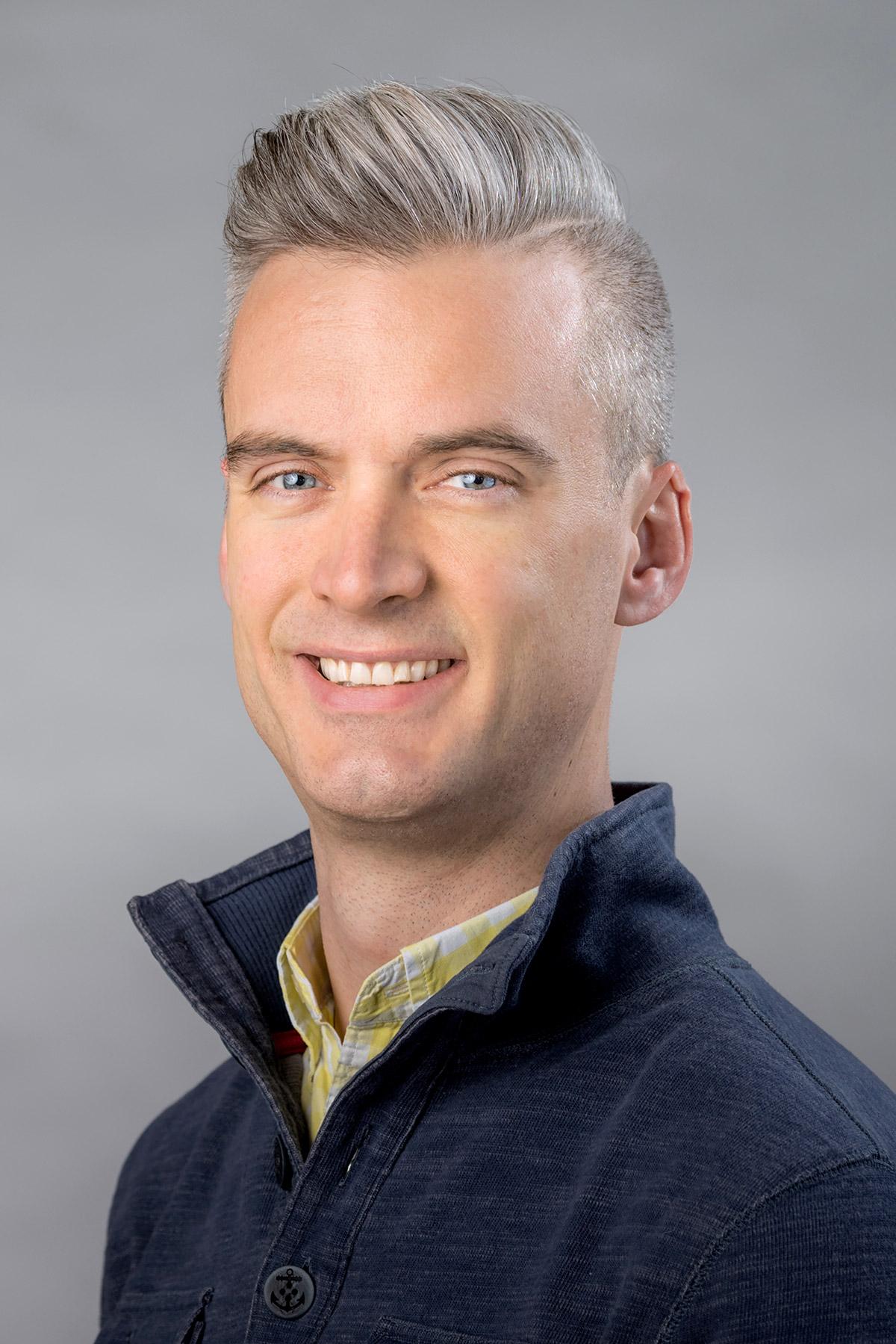
Colin Aitken
Department: Biology
Education: BA, Wesleyan University. PhD, Stanford University. Johns Hopkins University School of Medicine and National Institute of Child Health and Development, National Institutes of Health. Joined the Vassar faculty in 2017.
Academic background: At a molecular level, life requires the interpretation of the information stored in genes to synthesize the functional molecules for which each gene is a recipe. I study the molecular machinery that reads genes to assemble protein molecules. Because proteins are largely responsible for performing the myriad molecular tasks of life, this translation process is essential to life, enabling cells to grow, develop, and respond to external stimuli. Not surprisingly, translation is highly regulated in healthy cells. This regulation is disrupted during viral infection, cancer, neurodegenerative diseases, and many other maladies. Our lab studies how the ribosome—an ancient molecular machine responsible for assembling proteins in all forms of life—is assembled on a gene and prepared to synthesize protein. This initiation event is one of the most important readings of the genetic code and is the focus of most cellular regulation of translation. We interrogate translation initiation at the molecular level by purifying the individual molecular components involved in this pathway, enabling us to reconstitute translation initiation within a test tube and investigate it using biochemical and biophysical tools. To complement this approach, we make use of next-generation sequencing technologies that permit us to follow the position of individual ribosomes on every gene being translated in living cells.
Courses taught at Vassar: Introductory biology, biochemistry, biochemistry senior seminar, a research seminar intensive called Conversations with Scientists, and a research seminar cross-listed with French and Francophone studies called Le Labo: The Language and Culture of Francophone Labs.
Interests, hobbies: I enjoy cooking and making cocktails, road and gravel cycling, and soccer. A few other faculty and I play on a team with students in the intramural league and won the league championship a few seasons ago, and I also coach a youth travel soccer team.
Why I like teaching at Vassar: I attended Wesleyan University, a school with a similar personality to that of Vassar. I believe strongly in the liberal arts and the idea that students and faculty should be experts in one (or more) fields but curious about many more, and seeking to connect diverse and disparate fields and ideas to their own work.
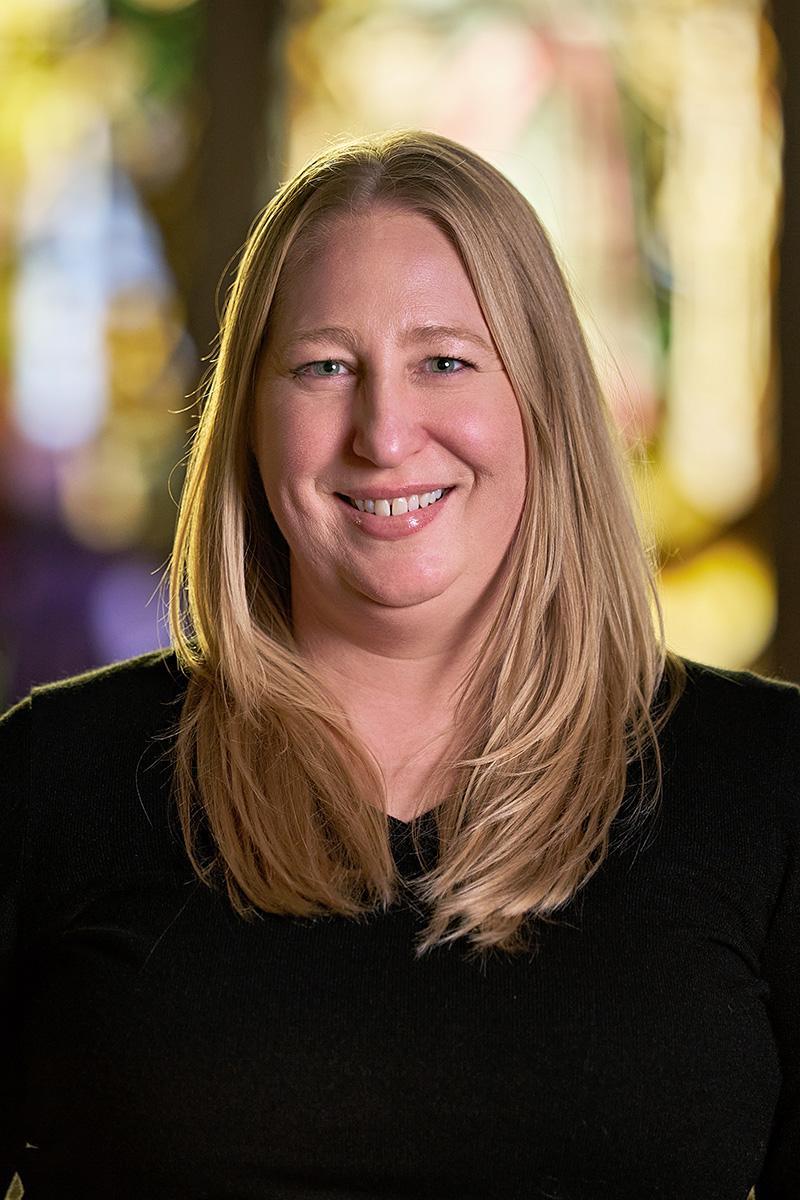
Alicia Atwood
Department: Economics
Education: BS in Biomedical Engineering, Johns Hopkins University; Master’s degree in Public Health from Columbia University’s Mailman School of Public Health in Health Policy and Management; PhD in Economics, University of Illinois at Chicago. Joined the Vassar faculty in 2018.
Academic background: Atwood is an applied microeconomist with interests in health and labor economics. Her research focuses on three interrelated topics: 1) Employer-based health insurance and how plan design impacts utilization and outcomes. 2) Financial incentives and how the timing and amounts of payments allow smooth consumption, or not. 3) Human capital development, specifically the long-run impacts of investments in health.
Courses taught at Vassar: Introduction to Economics and Health Economics.
Why I like teaching at Vassar: I chose Vassar because I wanted to be at a place that valued both teaching and scholarship, and I wanted to work with and actually get to know my undergraduate students.
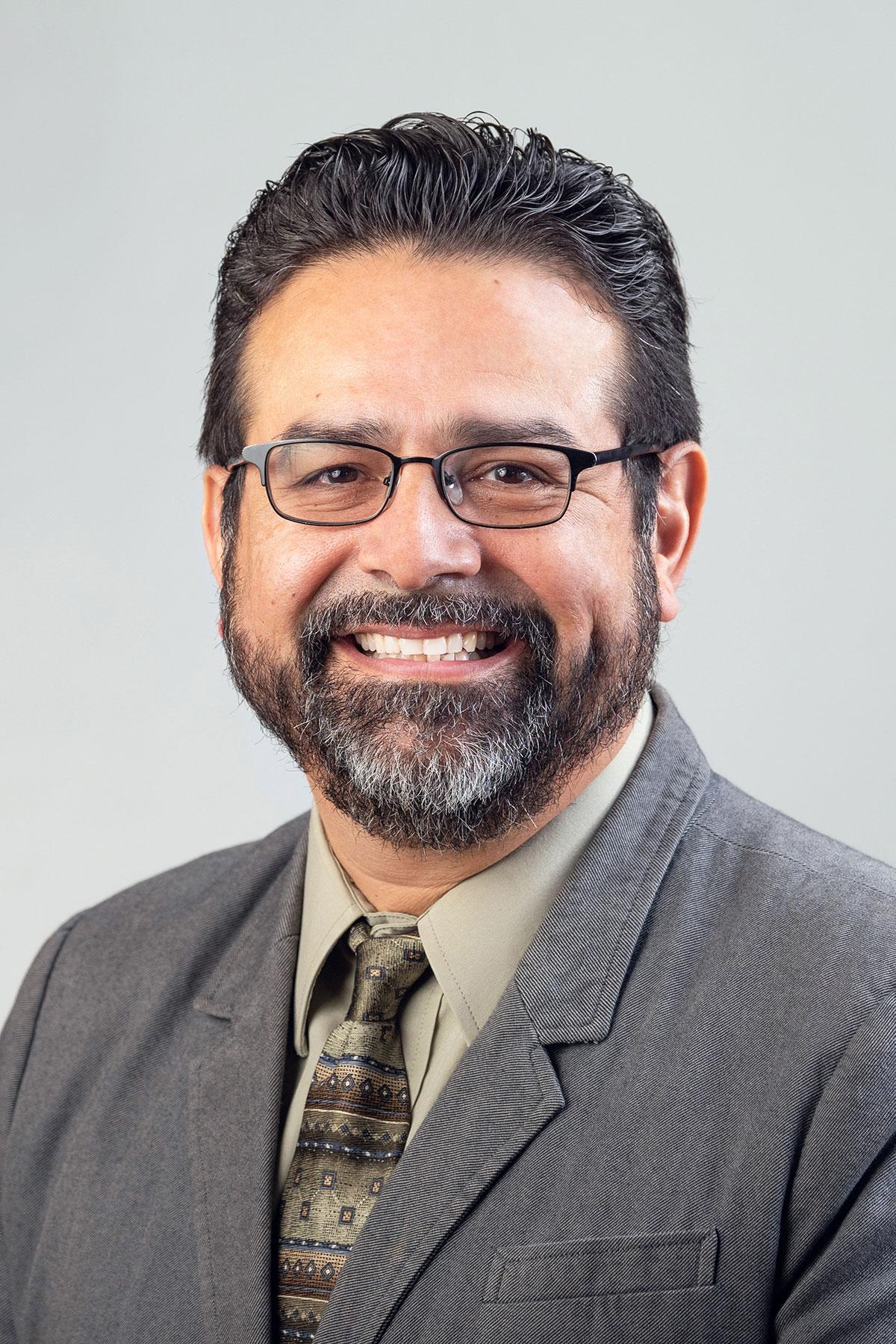
Jaime Del Razo
Department: Education
Education: BA in Rhetoric from the University of California at Berkeley, PhD from the Graduate School of Education and Information Studies at the University of California, Los Angeles. Joined the Vassar faculty in 2017.
Academic background: Jaime grew up in the historic Boyle Heights barrio of Los Angeles, CA, and identifies as a Chicano. As a proud son of Mexican immigrants who came to this country with an elementary education, Jaime is a first-generation middle school, high school, college, and PhD graduate. Jaime’s research examines how oppression and systems of power manifest in overt and subtle forms in the United States. Utilizing critical theoretical perspectives and mixed methodologies, his two current lines of inquiry are college access and equity for undocumented students and The School-to-Military Pipeline. Prior to college, Jaime served four years in the U.S. Army, and he is a Gulf War combat veteran. Jaime is co-founder and Executive Director of Chicano Organizing and Research in Education (CORE). His organization runs the Que Llueva Café Scholarship that has been 15 years in existence and has awarded approximately $125,000 to college-bound, undocumented students across the country. Jaime is also co-founder and lead organizer for the Immigrant Youth Empowerment Conference (IYEC) at Vassar College, which completed its fourth annual conference on October 24, 2025, with plans to offer the fifth annual conference next academic year.
Courses taught at Vassar: Community Organizing and Schools (EDUC/LALS 251), Community Schools Research and Practice (EDUC 264), Undocumented, Unapologetic, Unafraid (EDUC/LALS 270), The School-to-Military Pipeline (EDUC 355), Math and Science in the Elementary Classroom (EDUC 361), Social Science Research Methods (EDUC 365).
Hobbies, interests: I am an endurance athlete and have completed several triathlons and marathons, half-marathons, and 10K and 5K races. I love following pro sports, especially the Miami Dolphins, Los Angeles Dodgers, and Los Angeles Lakers.
Why I like teaching at Vassar: I chose Vassar because of the genuine connections I have made with students, colleagues, workers, and staff. They know who they are, and I am grateful for each one of them.
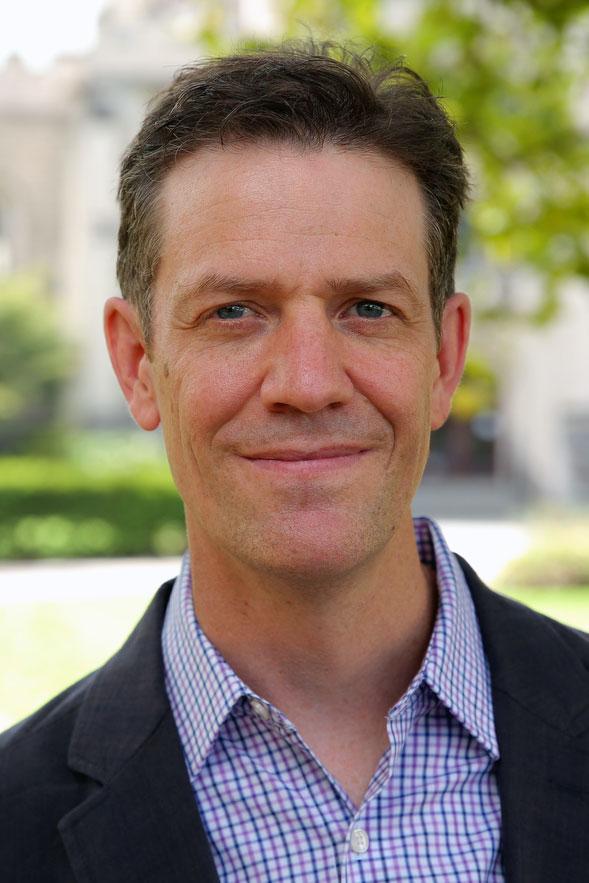
Curtis Dozier
Department: Greek and Roman Studies
Education: BA, Dartmouth College; MA, PhD, University of California-Berkeley. Joined the Vassar faculty in 2008.
Academic background: Dozier is an internationally recognized expert on how extremists and hate groups invoke Greco-Roman antiquity to promote their politics. He documents examples of such appropriations at his award-winning website Pharos: Doing Justice to the Classics, and is the author of the first book-length treatment of this phenomenon: The White Pedestal: How White Nationalists Use Ancient Greece and Rome to Justify Hate (Yale University Press, 2026). He has appeared on Public Radio’s “Academic Minute,” BBC Radio 4’s “AntiSocial,” KPFA’s “Against the Grain,” and the Karen Hunter Show. He has also published a series of articles in academic journals and monographs that outline a new interpretation of Roman rhetorician Quintilian’s first-century CE treatise on oratory.
Courses taught at Vassar: Dozier teaches courses on Latin and Greek language and literature, Greek and Roman civilization, and the myriad ways that the Classical world has been adapted and transformed by later artists, authors, and thinkers. He offers a freshman writing seminar every presidential election year on Classical rhetorical theory and presidential campaign rhetoric, a course in the Medieval and Renaissance Studies program on the history of the study of the European Middle Ages, and will be offering a seminar on white nationalism and ancient history in the International Studies program next year.
Hobbies, interests: Running, cycling, and tabletop role-playing games.
Why I like teaching at Vassar: Teaching at Vassar has provided the freedom to develop research interests and courses that extend beyond the traditional boundaries of Classical studies.
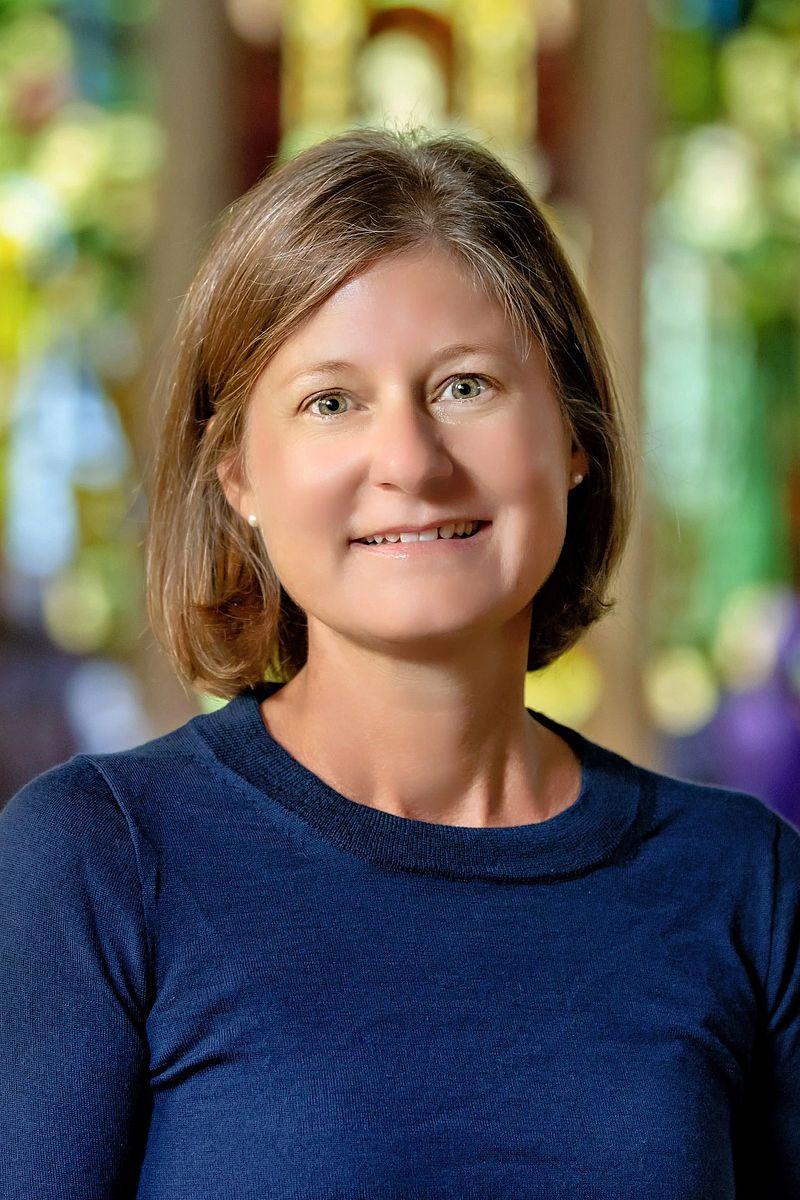
Myra Hughey
Department: Biology
Education: BS, Loyola University New Orleans; PhD, Boston University. Joined the Vassar faculty in 2018.
Academic background: Hughey’s research focuses on the microbiome, asking questions about how animals come to host specific groups of microbes and how stress, disease, and varying environmental conditions affect the relationship between microbes and their hosts. She is also an active member of the Environmental Studies program.
Courses taught at Vassar: Information Flow in Biological Systems (an introductory-level biology course, BIOL 108), Evolutionary Genetics (an intermediate-level biology course, BIOL 248), Microbes and the Environment (an upper-level biology course cross-listed with environmental studies, BIOL/ENST 374), Essentials of Environmental Science (an introductory course in the Environmental Studies program, ENST 124).
Hobbies, interests: Cooking, gardening, being in nature, and spending time with her two sons, Avery and Oscar. Originally from Mobile, Alabama, Myra also enjoys spending time on the Gulf Coast whenever possible, where the weather is warm and she can find lizards and frogs year-round.
Why I like teaching at Vassar: Having attended a small liberal arts college myself, the ability to closely mentor students in research is the thing I value most at Vassar.
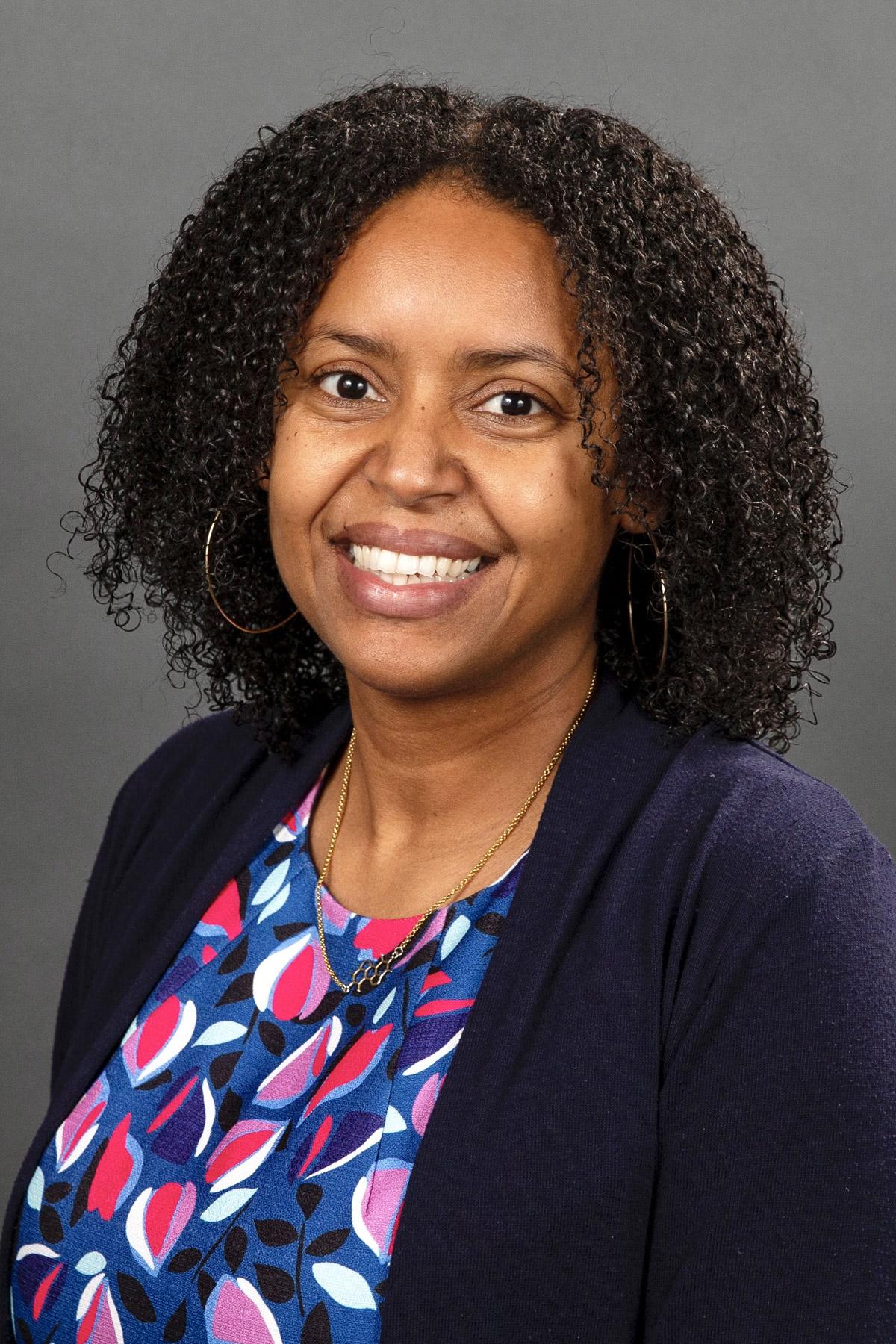
Krystle McLaughlin
Department: Chemistry
Education: BA in Physics from Colgate University, PhD in Biophysics at the University of Rochester. Completed a postdoctoral fellowship at the University of North Carolina at Chapel Hill. Joined the Vassar faculty in 2017.
Academic background: Her research interests are focused on the characterization of proteins from diverse microbial systems such as the gut microbe Bacteroides ovatus and antibiotic resistance transfer in Staphylococcus and Salmonella using structural biology techniques like x-ray crystallography and cryo-EM. She is currently the co-chair of the Scientific Advisory Board for the National Institutes of Allergy and Infectious Disease (NIAID) Centers for Research on Structural Biology of Infectious Diseases (CRSTAL-ID), and serves on the RCSB Protein Data Bank (PDB) Training, Outreach, and Education Working Group. Her work as an independent faculty member has resulted in 10 peer-reviewed journal articles (since 2017), published in respected journals, including “Biochemistry, Plasmid, and Structural Biology Communications (Acta Cryst F).” These papers include 18 Vassar College undergraduates as co-authors, and three manuscripts with seven additional Vassar undergraduate co-authors are currently in preparation. In 2018 she formed a new group at Vassar called the Alliance for Diversity Science and Engineering (ADSE). The mission of ADSE is to support Vassar students in STEM, particularly students who are underrepresented. ADSE has brought several Vassar STEM alums back on campus to talk with students, and partnered with the Vassar After School Tutoring Program (VAST) to create a science outreach initiative. ADSE will continue to sponsor a range of events to build a more inclusive and welcoming community, including student-faculty lunches and celebration dinners in conjunction with ALANA in this upcoming year.
Courses taught at Vassar: Protein crystallography (CHEM 295/BIOC 295) using X-ray crystallography to unlock the keys to protein function in disease-causing bacteria; Biophysical Chemistry (BIOC 326), a physical chemistry class for biochemistry majors that she created in 2020; Biochemistry (BIOC 272); and next semester she will again teach a biochemistry senior seminar (BIOC 356) titled Structural Basis of CRISPR Gene Editing.
Hobbies, interests: Originally from Trinidad and Tobago, I play our national instrument, the steel drum. I also love to read, and to sing and dance.
Why I like teaching at Vassar: The students are amazing, and the faculty truly care about teaching! I love the liberal arts college model, small classes, and being able to do exciting novel research with students. As a scientist, I also love being in a place where the humanities and the sciences are both valued and we understand that they are complementary, not mutually exclusive. I love the interdisciplinary and multidisciplinary culture at Vassar.
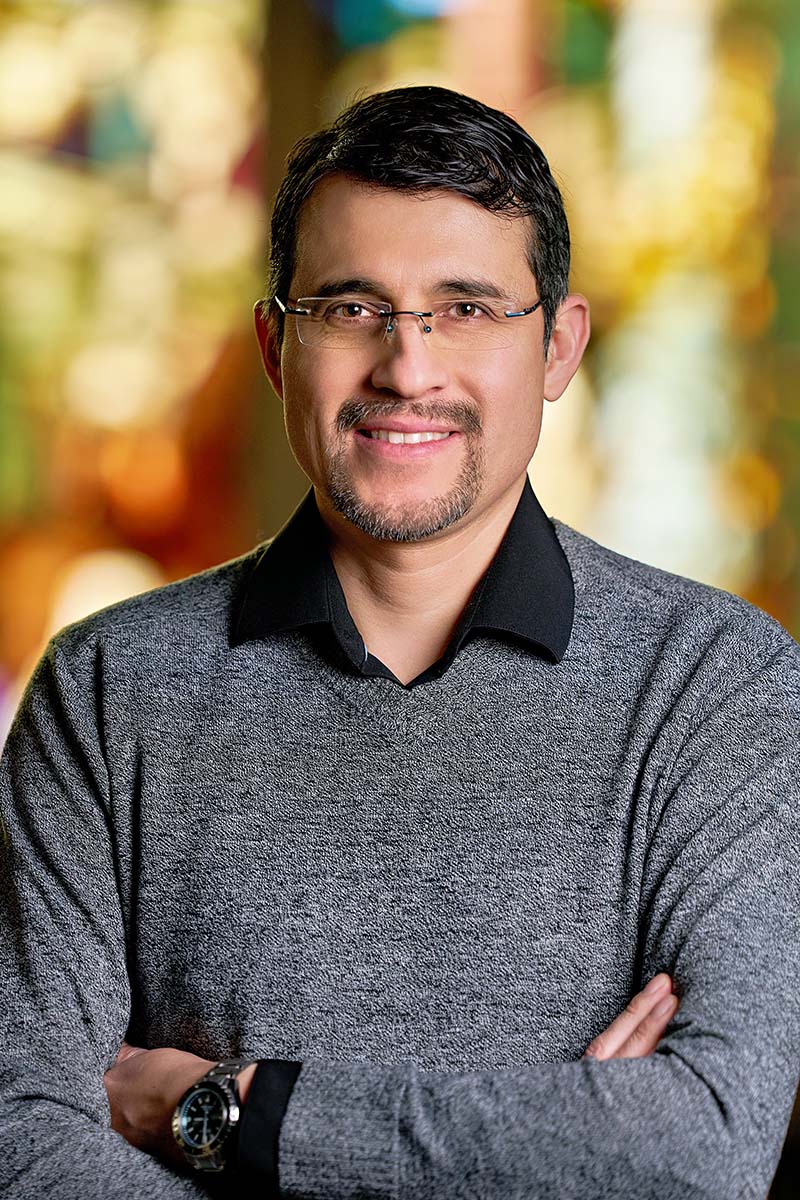
Juan Merlo-Ramírez
Department: Physics and Astronomy
Education: Five-year degree in Physics and an M.Sc. in Optoelectronics from the University of Puebla. PhD in Optics from the National Institute of Astrophysics, Optics, and Electronics (INAOE) in Puebla, Mexico. Joined the Vassar faculty in 2019.
Academic background: Current research focuses on two main areas: 1) near-field microscopy and plasmonics, where he studies light–matter interactions at the nanoscale, and 2) topological phases of matter in classical systems, with an emphasis on photonic and mechanical topological insulators. Recently published a book with Professor of Physics and Astronomy Jenny Magnes on interference and dynamic diffraction for undergraduates in the IOP ebook series.
Courses taught at Vassar: Fundamentals of Physics II, Experimental Physics, and Microscopy Techniques.
Hobbies, interests: Reading science fiction (Michael Crichton is my favorite author) and playing the drums. I sometimes joke about “being a frustrated astrophysicist and rock star.”
Why I like teaching at Vassar: I selected Vassar because of its core values and its origin as a women’s college—one of a kind in the world.

Benjamin Morin
Department: Mathematics and Statistics
Education: BA and MA in Mathematics at the University of Maine; MS in Mathematics (Ecosystems Informatics) at Oregon State University; PhD in Applied Mathematics for the Life and Social Sciences at Arizona State University. Joined the Vassar faculty in 2016.
Academic background: Morin’s research focuses on mathematical descriptions of the effect that human behavior has on epidemiological outcomes (how what we do changes who gets sick). He is a regular advisor for the College’s Undergraduate Research Summer Institute (URSI), where students choose what they want to mathematically model, such as heroin addiction, coral life cycles, or Respiratory Syncytial Virus (RSV) infections in children.
Courses taught at Vassar: Applied mathematics such as MATH 228, 315, and 328.
Hobbies, interests: Playing video games and tabletop role-playing games, such as Dungeons and Dragons, with friends and my children.
Why I like teaching at Vassar: Vassar attracted me because of its need-blind/need-insensitive admission process and dedication to faculty as scholars, teachers, and mentors. I’m a first-generation college student with a rural upbringing. I love the fact that I can find space where those aspects resonate with some students.
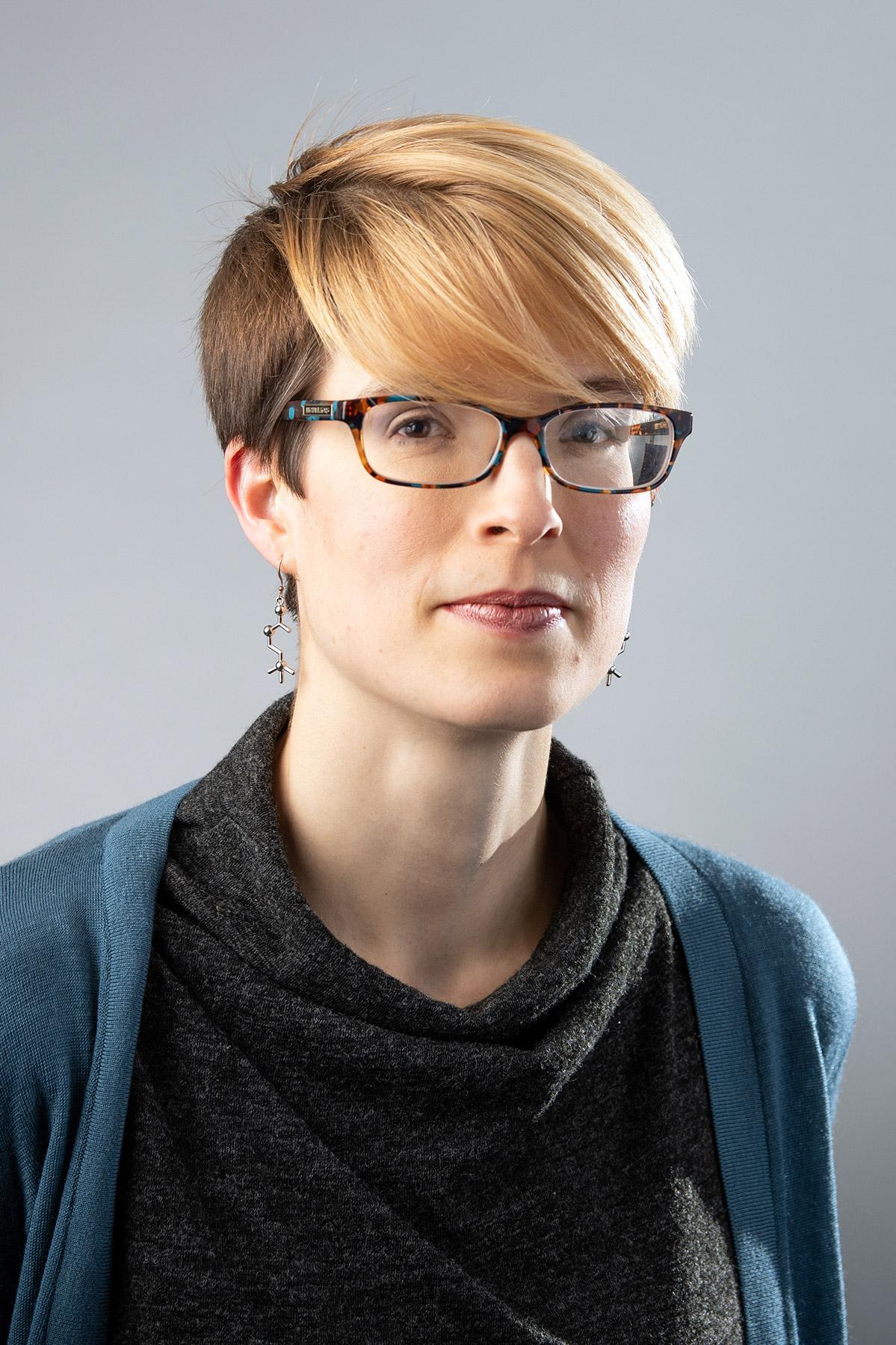
Lori Newman
Department: Psychological Science
Education: BS, College of William and Mary; MA, PhD, University of New Hampshire. Joined the Vassar faculty in 2017.
Academic background: My focus on how the brain determines what to attend to and remember began with my undergraduate thesis on the role of the intralaminar nuclei of the thalamus in attention and memory with my advisor, Dr. Joshua Burk. In graduate school I expanded my focus on attention to examine how neuromodulators, like acetylcholine and norepinephrine, can change brain dynamics to set up for certain kinds of attention, such as sustained attention or shifting attention. In my postdoctoral work I began research on the influence of brain metabolism and memory with Dr. Paul Gold and Dr. Donna Korol as a postdoctoral research fellow first at the University of Illinois in Urbana-Champaign and then at Syracuse University. In particular I began to study the unique role of astrocytes, star-shaped cells that bring resources in and out of the brain as well as play a role in immune responses in the brain and in attention, learning, and memory.
Courses taught at Vassar: I teach across all levels of the major, from introduction to statistics and research design to research methods to a senior seminar on the role of glial cells in neurodegenerative diseases and neuropsychiatric disorders.
Hobbies, interests: I have a son who continues to show me just what a marvel life can be. I have a small dog who keeps me on my toes and gets me out of the lab to enjoy Vassar’s campus every day. We all live in Strong House, where I am currently a House Fellow and I am lucky enough to be part of the students’ experience here on campus. I have recently come back to playing the violin in the form of learning to fiddle as part of the local Stringendo group in Poughkeepsie. It has been exciting to exercise my ear, and my brain, in this new form.
Why I like teaching at Vassar: Vassar not only supports my ability to mentor students, but also allows me to work with some of the brightest and most motivated and interesting students I have encountered. Going to work every day as a professor at Vassar College truly gives me hope for the future, knowing Vassar students will continue to go out into the world and make a positive difference. I hope that the time they spend with me here helps them on their own journeys.

Tracy O’Neill
Department: English
Education: BA, Connecticut College; MA, Columbia University; MFA, City College of New York; MPhil, Columbia University. Joined the Vassar faculty in 2020.
Academic background: Author of the memoir Woman of Interest, which was selected for Electric Literature’s Best Nonfiction of 2024, Crime Read’s Best True Crime Memoirs of 2024, and Esquire’s Best Memoirs of 2024. Her novels include The Hopeful, one of Electric Literature’s Best Novels of 2015, and Quotients, The New York Times New and Noteworthy Book, TOR Editor’s Choice, and Literary Hub Favorite Book of 2020. She is a 2025 Civitella Ranieri Fellow. In 2015, she was named a National Book Foundation 5 Under 35 honoree and long-listed for the Center for Fiction First Novel Prize. In 2012, she was awarded the Center for Fiction’s Emerging Writers Fellowship. Her writing has appeared in Granta, The New York Times, Rolling Stone, The Atlantic, the New Yorker, LitHub, BOMB, Vol. 1 Brooklyn, The Believer, The Literarian, the Austin Chronicle, New World Writing, The Baffler, Narrative, 4Columns, Scoundrel Time, Guernica, Bookforum, Electric Literature, Grantland, Vice, The Guardian, VQR, The San Francisco Chronicle, and Catapult.
Courses taught at Vassar: English 101, Speculative Fiction; English 101, Poetic Forms; English 205, Introduction to Creative Writing; English 209, Advanced Creative Writing; English 304, Narrative; English 305-306, Senior Composition; English 374, Experimental Writing; English 378, Flash Fiction.
Hobbies, interests: Cooking, skating, dogs, and yoga.
Why I like teaching at Vassar: I feel really honored to be a part of Vassar’s tradition of demanding and cultivating spaces for the creative and intellectual lives of students here.
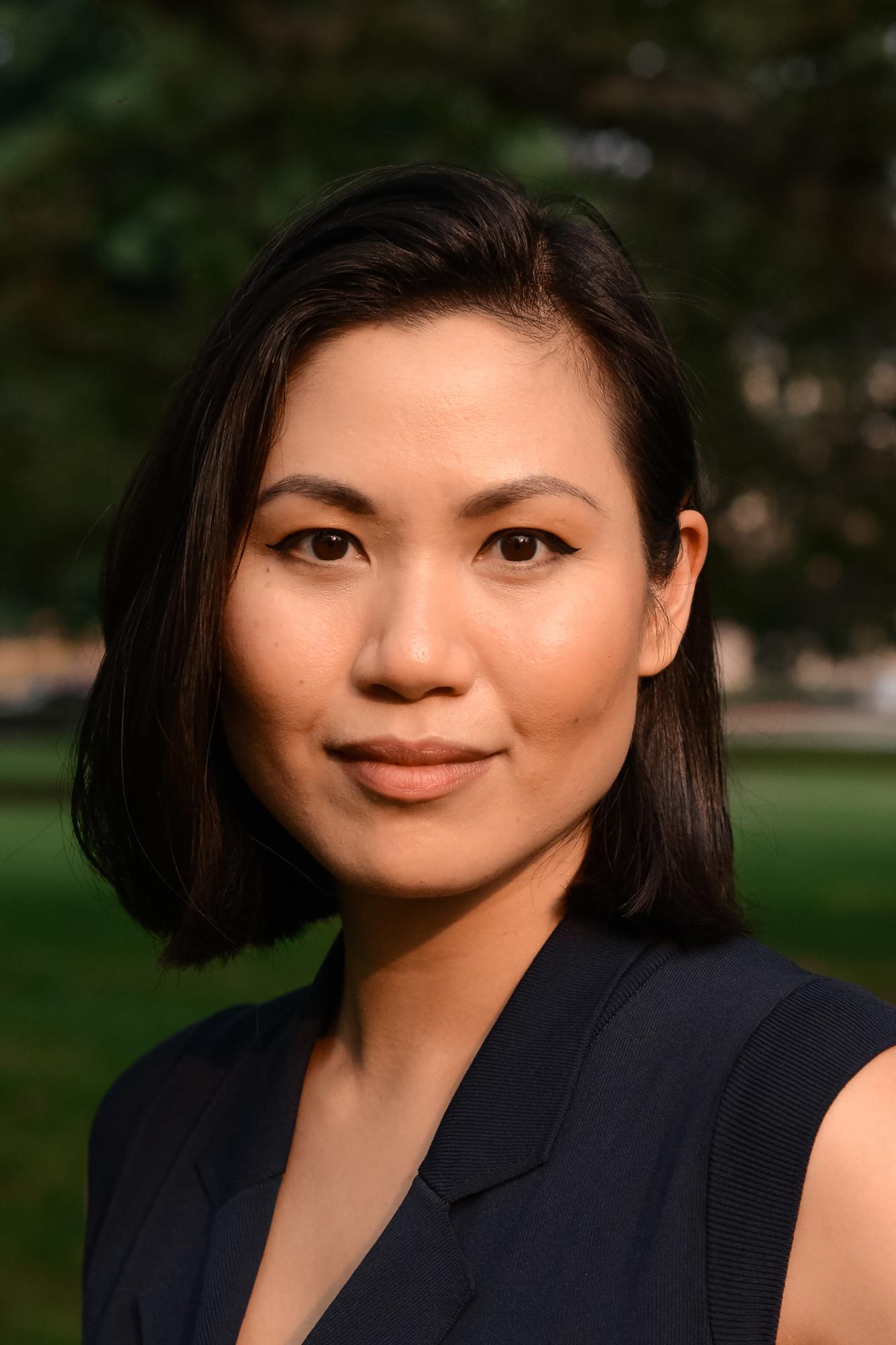
Catherine Tan
Department: Sociology
Education: PhD in Sociology from Brandeis University, MA from Columbia University, and BA from the University of California, San Diego. Joined the Vassar faculty in 2020.
Academic background: Research interests include: medical sociology, science knowledge and technology, social movements, and qualitative methods. Her first book, Spaces on the Spectrum: How Autism Movements Resist Experts and Create Knowledge, was published by Columbia University Press (January 2024) and investigates two movements that take issue with the mainstream understanding of Autism Spectrum Disorder. She argues that science and health movements are important spaces for the cultivation and preservation of contentious knowledge—knowledge that aims to challenge dominant experts and authority. Such spaces organize the resources necessary to transform ideas into lived realities. This study draws from over three years of ethnographic fieldwork and interviews with members of the alternative biomedical and autistic rights movements. In addition, her other ongoing project is “Healing power: Constructions of expertise and authority on the margins of medicine.” This ethnography follows healers working outside of conventional medicine, including naturopathic doctors, energy healers, and shamans in the United States. She examines how healers seek legitimacy, hone their practices, and position themselves in relation to both the medical establishment and the non-Western traditions that inspire their work.
Courses taught at Vassar: Courses related to health, medicine, and science: SOCI 255, Medical Sociology; SOCI 252, Health Inequalities and Activism; and SOCI 330, Death and Birth.
Hobbies, interests: Horseback riding, creating stained-glass lamps, and hiking with my dog, Piscola.
Why I like teaching at Vassar: I was over the moon when the Sociology Department Chair called me in 2019 to offer me this job. Vassar students are some of the brightest and most ambitious people I have ever had the privilege of teaching. I love how the smaller class sizes encourage participation and in-depth discussions. It has been a wonderful six years so far, and I look forward to many more exciting, intellectually stimulating, and creative years to come.