
Women’s WorkPreserving Independent Film and Video Histories, Connecting Media Futures
February 26–28, 2026
Convened by: Erica Stein, Associate Professor and Chair of Film at Vassar; Noelle Griffis, Associate Professor of Communication and Media Arts at Marymount Manhattan College; Fabio Andrade, Assistant Professor of Film at Vassar; and John Hulsey, Assistant Professor of Art at Vassar.
This program excavated and celebrated the invisible organizing labor, often done by women, that made independent film and video production possible. It brought together key figures from innovative collectives of the 1970s to the 1990s, scholars, archivists, and members of media organizations active in the Hudson Valley to discuss recirculating films and videos of the past and strategies for having made this kind of work.
Panels
Panel 1: Scholars and Archivists
- Elizabeth Coffman, Filmmaker and Professor of Film and Digital Media, Loyola University Chicago
- Elena Rossi-Snook, Film Specialist, New York Public Library and the collection manager of the Reserve Film & Video Collection
- Juana Suárez, Associate Professor, NYU Tisch School of the Arts and Director, Moving Image Archiving & Preservation Program
- Joan Hawkins, Professor Emeritus, Cinema and Media Studies, Indiana University
- Sophie Holzberger, Co-Founder, Feminist Elsewheres and PhD Candidate, NYU Tisch School of the Arts
Panel 2: Filmmaking and the Women’s Movement
- Ariel Dougherty, Filmmaker, Co-Founder, Women Make Movies
- Sheila Paige, Filmmaker, Co-Founder, Women Make Movies
- Sandra Schulberg, President, IndieCollect, and Founder of Independent Film Project
- DeeDee Halleck, Media Activist, Filmmaker, and Co-Founder, Paper Tiger Television
Panel 3: Activist Media
- JT Takagi, Filmmaker and Executive Director, Third World Newsreel
- Cyrille Phipps, Filmmaker, Associate Professor of Film, Marymount Manhattan College and Co-Founder, Black Planet Productions
- Bev Grant, Photographer, Songwriter, Filmmaker, and member of New York Newsreel
- Christine Burrill, Cinematographer, Filmmaker, and Member, Women’s Film Project / International Women’s Film Project
Panel 4: Programming and Curating
- Monica Freeman, Filmmaker and Programmer, Sojourner Truth Festival
- Sara Chapman, Executive Director, Media Burn
- Duana Butler ’91, Filmmaker and Producer, Arts Administrator
Panel 5: Experimental Women
- MM Serra, Filmmaker, Curator, Film Professor, New School, and Executive Director, Film-Makers’ Cooperative, 1993–2023
- Lynne Sachs, Filmmaker, Poet, and Educator
- Abigail Child, Filmmaker and Professor Emeritus of Film/Media at the School of the Museum of Fine Arts, Boston
- Peggy Ahwesh, Filmmaker and Professor Emeritus, Film and Electronic Arts, Bard College
Closing Roundtable: Reactivating Independent Media Histories
Moderator, Alexandra Juhasz, Filmmaker, Founder of VHS Activism Archive and Distinguished Professor of Film at Brooklyn College, CUNY
Participants:
- Elena Rossi-Snook, Film Specialist, New York Public Library and the collection manager of the Reserve Film & Video Collection
- Sara Chapman, Executive Director, Media Burn
- Duana Butler ’91, Filmmaker and Producer, Arts Administrator
- Sophie Holzberger, Co-Founder, Feminist Elsewheres and PhD Candidate, NYU Tisch School of the Arts
- Mona Jiménez, Audiovisual Preservation Exchange, Community Archiving Workshops and Former Director, MIAP
- Diana DiMuro, Co-Founder, Story Screen Presents, independent exhibitor
- Mary Ellen Iatropoulos ’05, Director of Programs at The Art Effect, media arts educator
- Zola Ross-Gray, Co-Founder, MissVideo4You, alternative distribution network
Moving Image Archiving and Preservation (MIAP) Workshop: Introduction to Personal Collection Preservation
NYU’s Moving Image Archiving and Preservation program’s faculty and graduate students presented a workshop on preserving personal film and video collections, focusing on first steps, internal assessments, and further resources.
- Mona Jiménez, Audiovisual Preservation Exchange, Community Archiving Workshops and Former Director, MIAP
- Juana Suárez, Associate Professor, NYU Tisch School of the Arts and Director, MIAP
- Riley Benninghoff, 2nd year graduate student, MIAP
- Liz Sullivan, 2nd year graduate student, MIAP
Panelists
Alphabetical by last name
Peggy Ahwesh
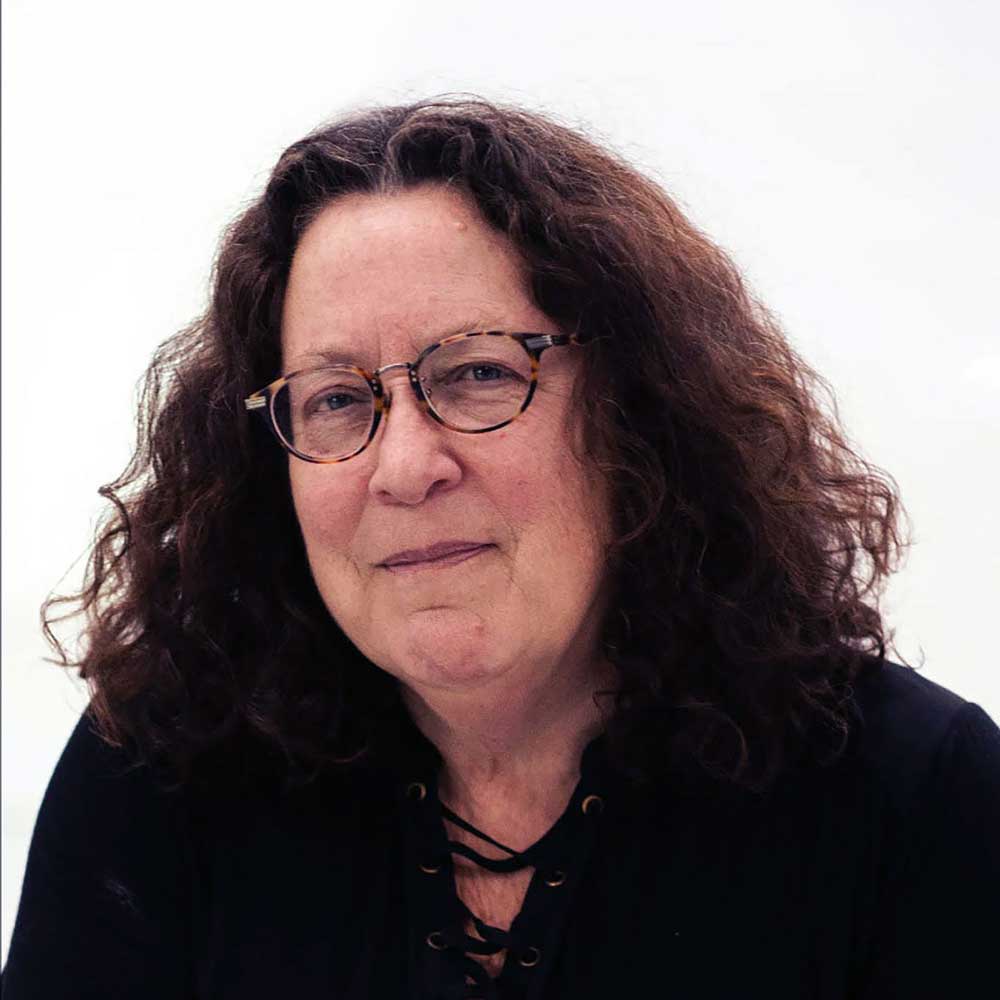
Peggy Ahwesh is a moving-image artist whose wide-ranging and influential work uses improvisation, appropriation, genre, and low-end technologies to turn the conventions of cultural identity and the role of the subject on end. She came of age as a Super 8 filmmaker in the Pittsburgh punk underground. In 1997, Ahwesh had a mid-career retrospective, Girls Beware!, at the Whitney Museum. Retrospectives include: Filmmuseum, Brussels, Belgium; Carpenter Center at Harvard University; Museo Nacional Centro de Arte Reina Sofia, Madrid, Spain; Carnegie Mellon University, Pittsburgh, PA; Women Make Waves Int’l Film Festival, Taipei, Taiwan, and Cinematexas 6, Austin, TX. She has screened work in the Whitney Biennial (1991, 1995, and 2002). Awards include: Alpert Award in the Arts, Guggenheim Foundation Fellowship, Jerome Foundation, Creative Capital, and NYSCA. Ahwesh is Professor Emeritus, Film and Electronic Arts at Bard College.
Riley Benninghoff
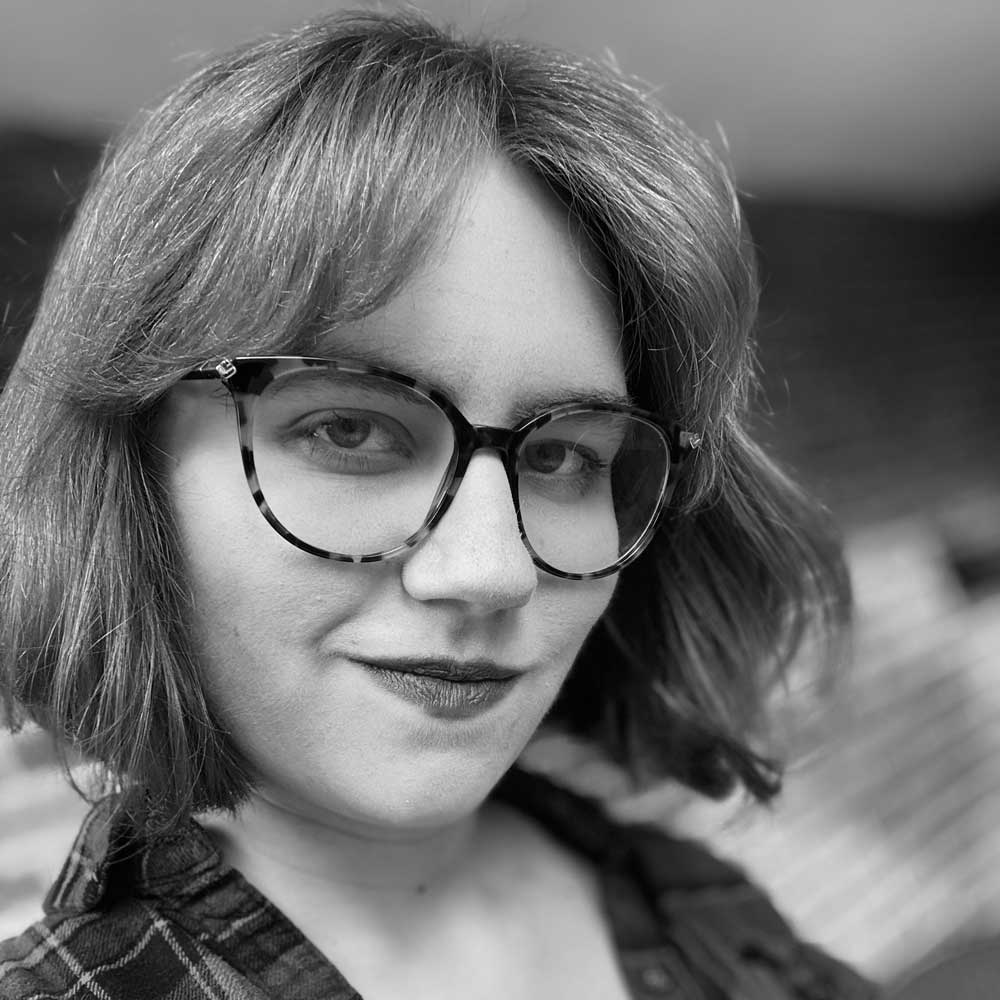
Riley Benninghoff is a 2nd-year graduate student in NYU’s Moving Image Archiving and Preservation program. A long-time lover of cinema, she enjoys creating her own narrative films alongside preserving archival works. Currently, her MIAP thesis project focuses on researching the history of and crafting a preservation plan for The Perils of Society (1916), a silent era, crime-themed film directed by Katherine Russell Bleecker.
Christine Burrill
Christine Burrill received her BA (Phi Beta Kappa) at the University of Southern California and studied cinematography at USC’s film school. She has spent over 30 years looking at the world through the camera lens, pen in hand. She is an award-winning filmmaker, author, cinematographer, and still photographer. Her photographs have been exhibited in the United States, Europe, and Latin America. She has traveled the world on many documentary films for HBO, BBC, and PBS. One of her passions is the Brazilian Amazon, where she spent twelve years photographing and learning.
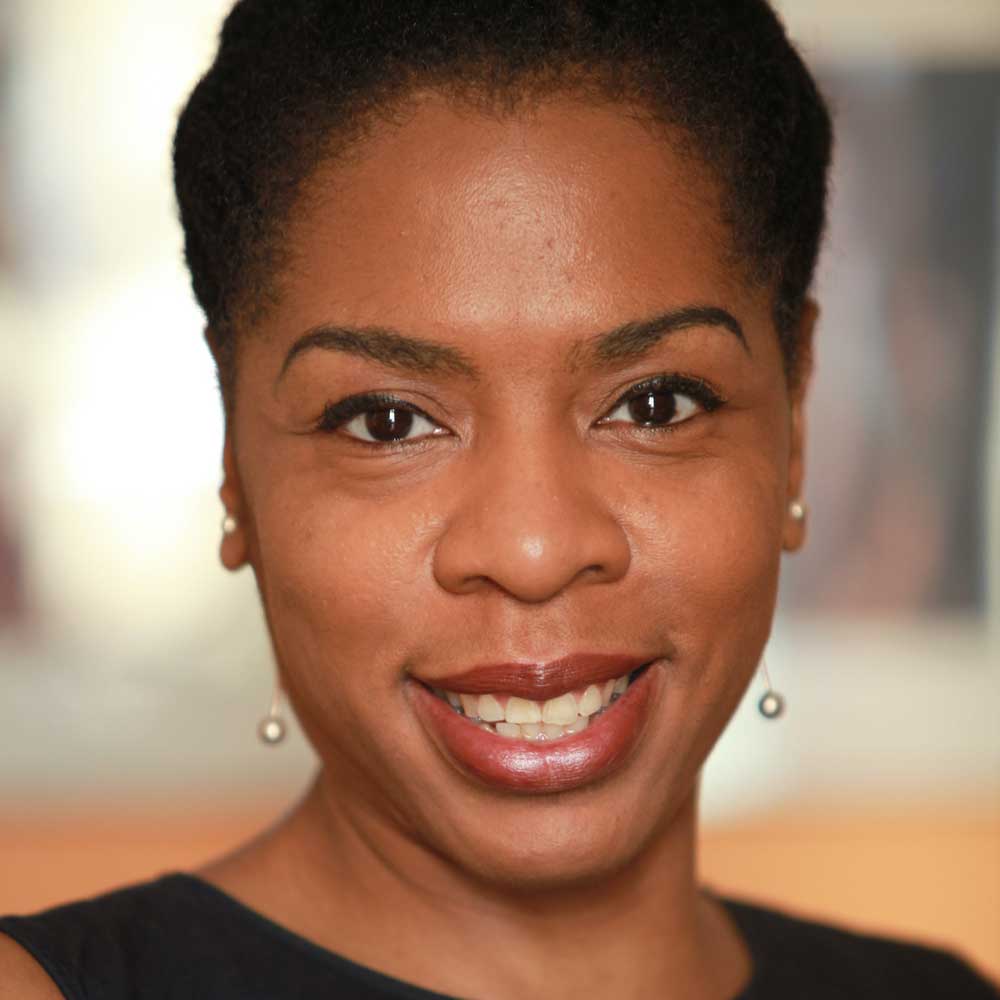
Duana C. Butler
Duana C. Butler ’91 has led an expansive and diverse career in film and television as an arts administrator, director, and producer. With an extensive background in nonprofit arts administration at a number of media arts organizations, she has been dedicated to supporting the work of filmmakers and artists. Her film work focuses on the exploration of arts, culture, communities, history, and social issues through the lens of intimate, personal stories. Producing credits include the documentaries Can You Bring It: Bill T. Jones and D-Man in the Waters (2020), Miss Navajo (2007), and the short scripted film Hold On (2017).
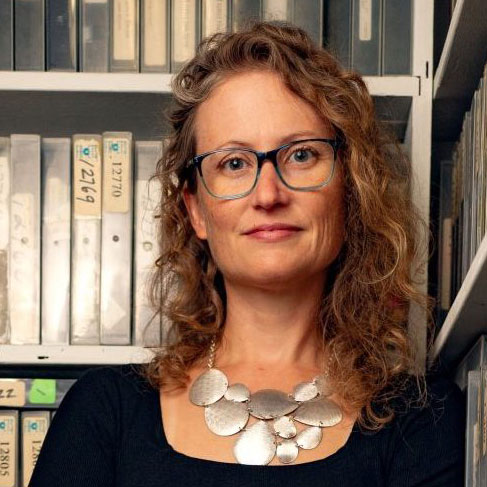
Sara Chapman
Sara Chapman has been the executive director of Media Burn Archive since 2009 and has been an integral part of the organization since its founding in 2003. Her passion for preserving Guerrilla Television began with her University of Chicago undergraduate thesis project, when she interviewed key figures to compile an untold history of Chicago’s early video community. Since then, she has worked with a network of early videomakers to unearth collections from basements and attics and bring them the wide public attention they deserve, with a particular focus on women.
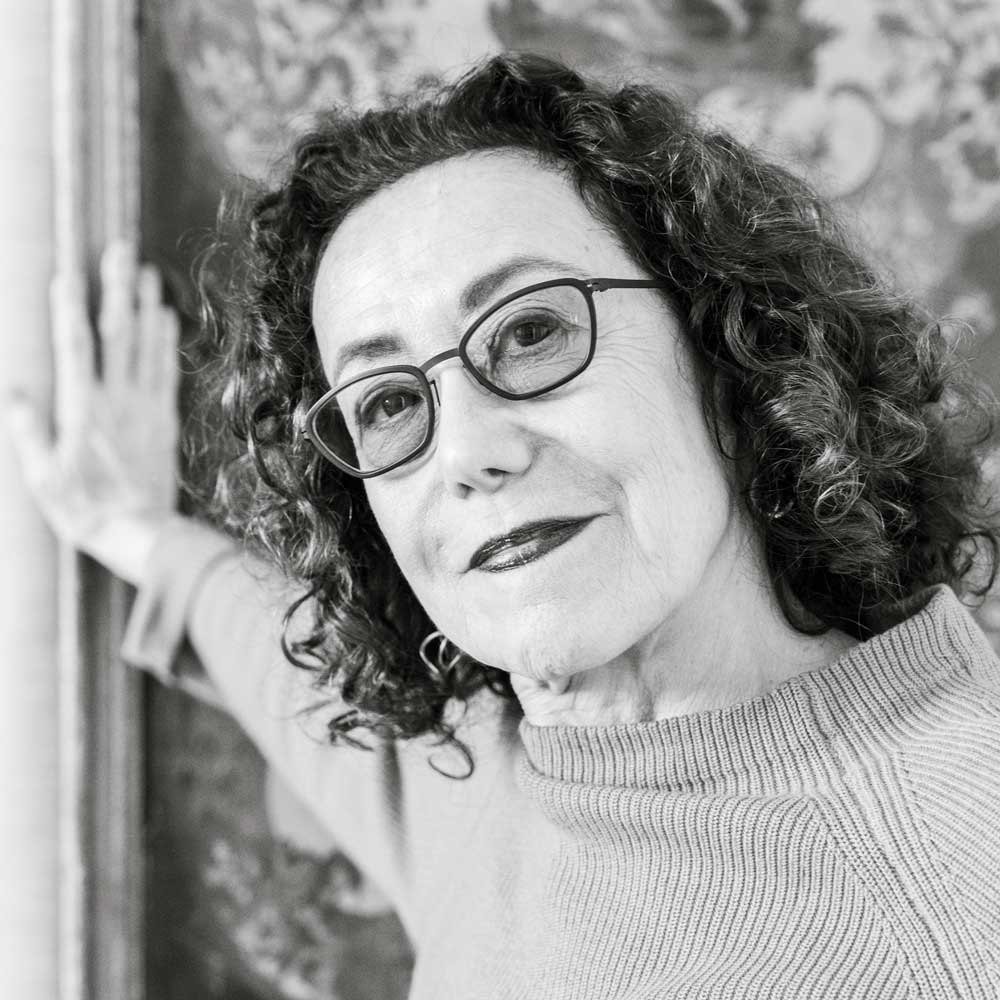
Abigail Child
Abigail Child has been at the forefront of experimental writing and media since the 1980s, having completed more than 50 film/video works and installations, and written six books. An acknowledged pioneer in montage, Child addresses the interplay between sound and image to make, in the words of LA Weekly: “brilliant, exciting work…a vibrant political filmmaking that’s attentive to form.” Her films have been widely awarded, including a Rome Prize, Guggenheim, Radcliffe, and Fulbright Fellowships. Her work has been exhibited at the Museum of Modern Art, the Whitney Museum, Centre Pompidou (Paris), Museo Reina Sofía (Madrid), and at numerous international film festivals, including New York, Rotterdam, Locarno, and London. Her newest experimental feature doc, Precipice (2025), focuses on climate and sociological change in a Nova Scotian shoreline community.
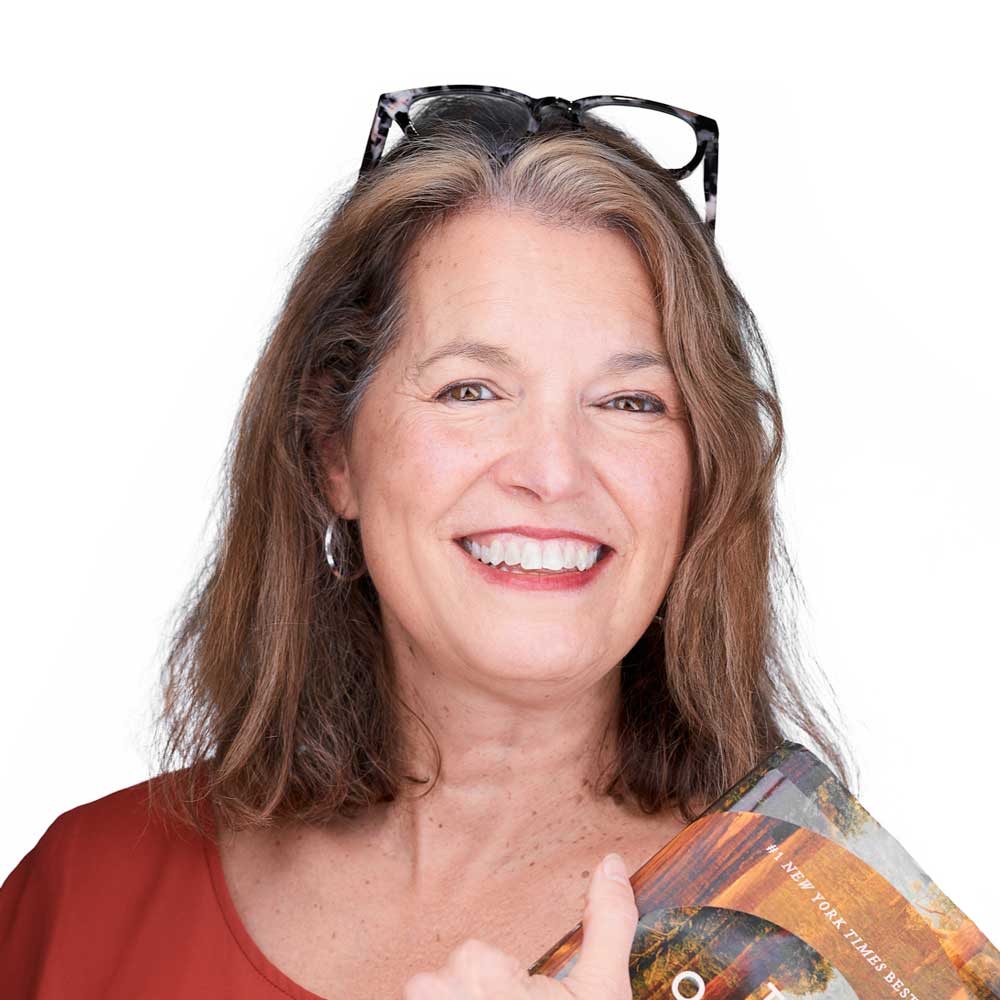
Elizabeth Coffman
Elizabeth Coffman serves as a professor in the Film and Digital Media Program for Loyola Chicago’s School of Communication. She is an active documentary filmmaker and film scholar. Her NEH-sponsored film Flannery, about Catholic writer Flannery O’Connor, was the first winner of the Library of Congress Lavine/Ken Burns prize for film, broadcast on American Masters in 2021. Elizabeth has worked at Loyola University Chicago since 2004, serving as the department chair for Communication and director of the Film and Digital Media Program. She supports Chicago film and video history, serving on the board of the Media Burn Archive for independent video.
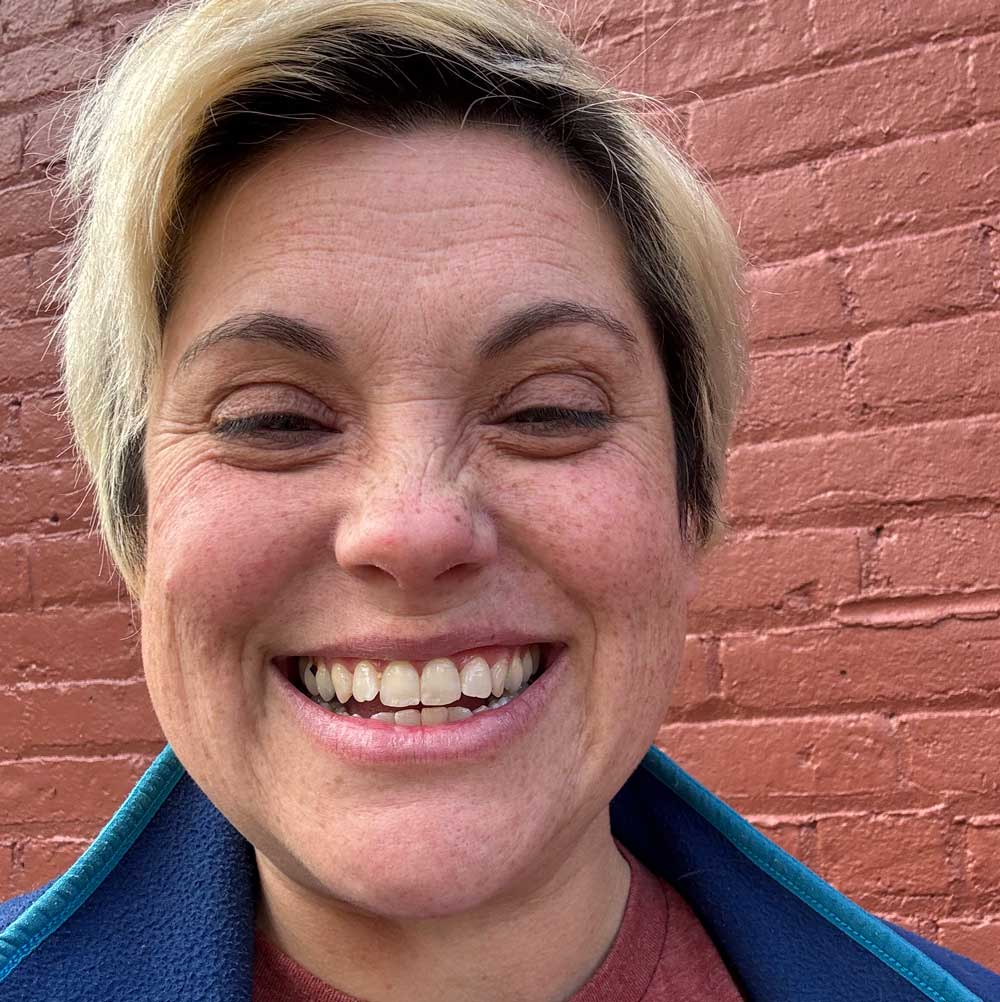
Diana DiMuro
Diana is a Hudson Valley native and film lover. She and her partner, Mike Burdge, own and operate Story Screen Cinema, an independent movie theater showcasing a variety of independent, first-run, and repertory film programming. Using film as a gateway to build empathy and community, they curate movie-themed pop-up screenings and collaborative events throughout the Hudson Valley.
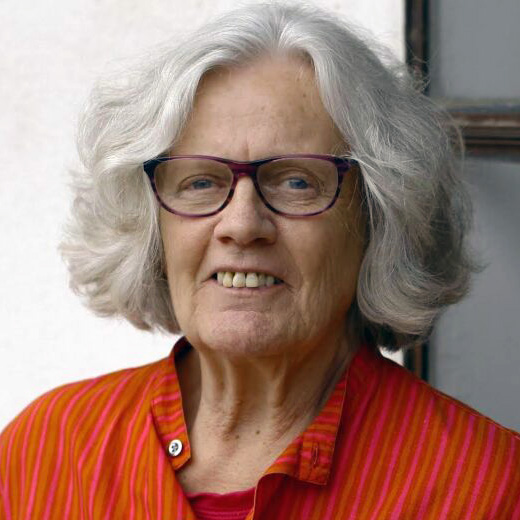
Ariel Dougherty
Ariel Dougherty is an independent filmmaker with over 50 years of experience as a practitioner in the feminist cultural community. Her expertise is at the intersection of money, women’s rights, and feminist media, on which she has written many dozens of articles. Her advocacy and teaching—mostly in community settings —is grounded in women’s cinematic storytelling. Co-founder of Women Make Movies, now in its fifth decade, is the globe’s largest distributor of women’s films. She has mentored hundreds of filmmakers, produced dozens of works, including Women Make Movies’ Healthcaring (1976) and Lynn Hershmann’s Women Art Revolution (2010). She has directed 13 films, from Surviva (1980), a short drama on a rural artist and her art support group, to From The Interior. Colonized (1992), a documentary on women eco-activists.
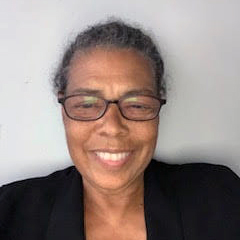
Monica J. Freeman
Monica Freeman is a filmmaker and film programmer. She earned her MFA from Columbia University. Her early 1970s documentaries heralded a new generation of Black women producing independent films about Black women. She began her career with Nafasi Productions, a Black filmmaking collective under the tutelage of John Wise, where she directed Valerie: A Woman, An Artist, A Philosophy of Life (1975). Her 1977 documentary A Sense of Pride: Hamilton Heights featured an all-women crew, including Ayoka Chenzira, Jennifer Lawson, and Elaine Baly. In 1976, at artist Faith Ringgolds suggestion, she programmed films for the Sojourner Truth Festival of the Arts, Focus on Film, which is believed to be the first Black women's film festival in the United States.
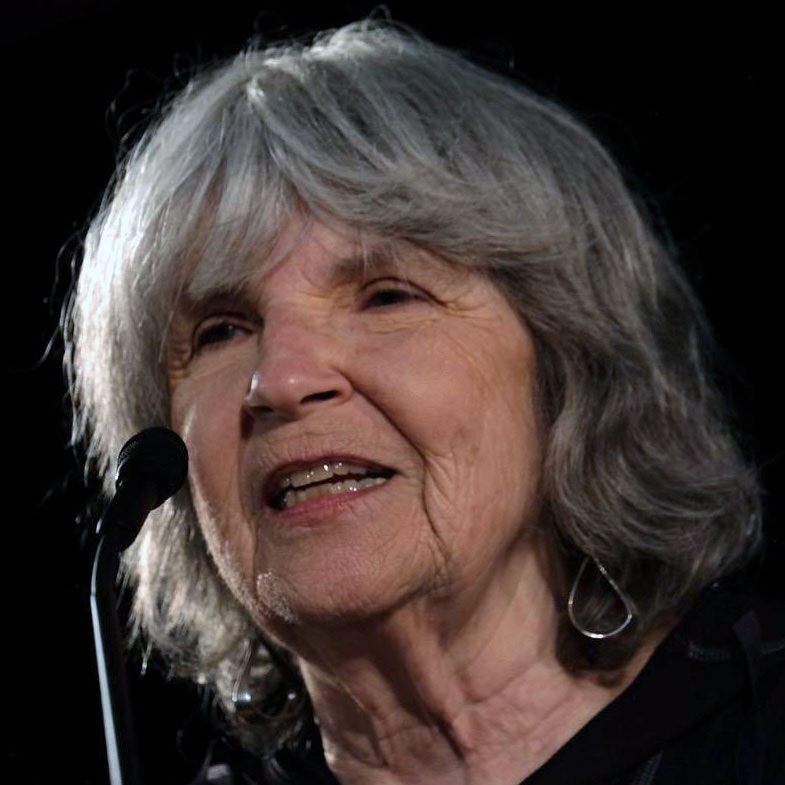
Bev Grant
Bev Grant is a labor and social activist, feminist, singer-songwriter, photographer, and filmmaker. She is a 2025 recipient of the Clara Lemlich Award, honoring unsung, life-long activists; a 2022 Pathmakers for Peace award from Brooklyn for Peace; the 2017 Joe Hill Award from the Labor Heritage Foundation; and the 2017 ASCAP Foundation’s Jay Gorney award for her song “We Were There” about women’s labor history. She was a member of New York Newsreel from 1967 to 1972, where she was a key participant in El Pueblo Se Levanta (1971) and Up Against the Wall Miss America (1968/9), and composed songs for the soundtracks of other Newsreel films, most notably the title song for Janie’s Janie (1971). The documentary Bev Grant: A Lifetime of Liberation by Agitator Index was judged best short documentary at the 14th Annual Workers Unite Film Festival in 2025.
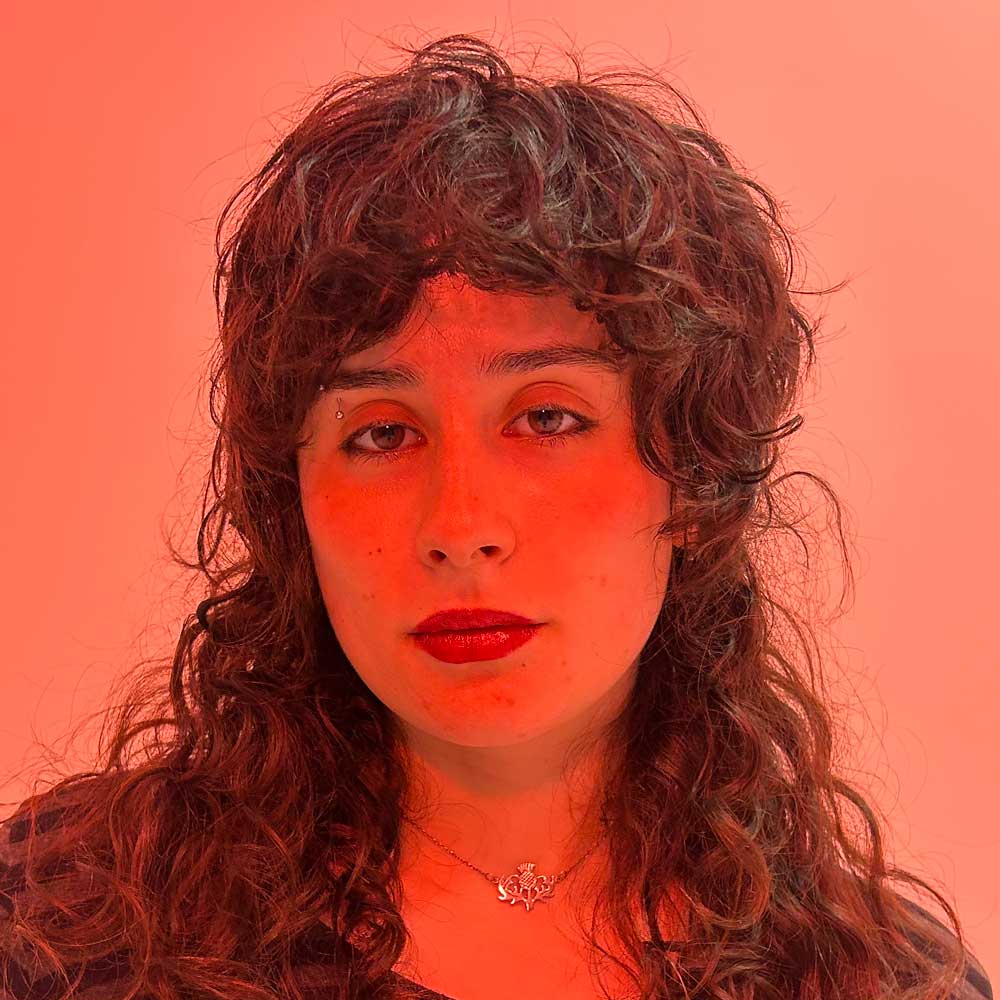
Zola Ross-Gray
Zola Ross-Gray received her BA in film and human rights from Bard College and is based in New York City. Zola specializes in filmmaking and video installation. In her narrative and installation works, she works with themes of surveillance, using the camera to bring the viewer’s attention to their own position of observation of her subjects—femme bodies. Her background in human rights and film has led her to question how filmmaking can be used as a political tool, how the female body is politicized, and the ways this can be subverted through film, and the way film can empower people to share their stories and bring people to new understandings of the world. Currently, she runs MissVideo4u, an underground feminist film network. Through this project, she is seeking to not only build a community for female and LGBTQ+ filmmakers beyond the confines of the internet but also to investigate the history and showcase otherwise unseen archives of feminist guerilla filmmaking.
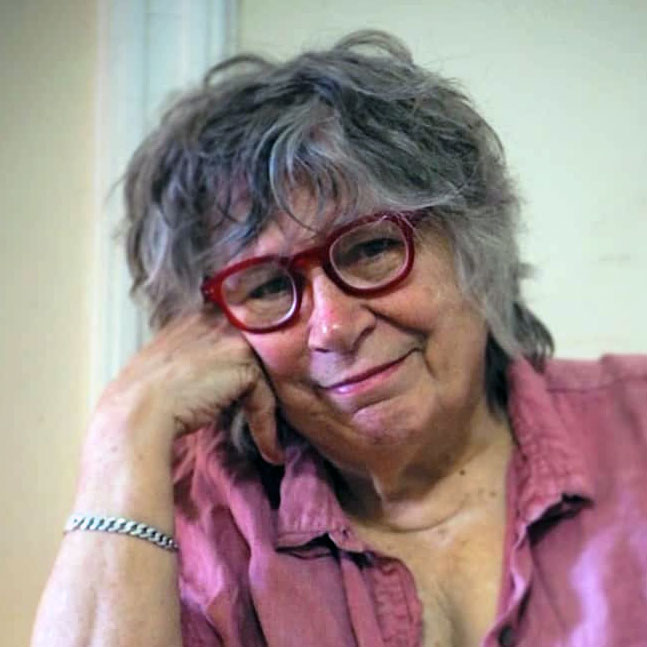
DeeDee Halleck
DeeDee Halleck is a media activist and filmmaker. She has been a leading figure in the media democracy movement for more than four decades, working to promote alternative and independent film and media production and distribution as a means of advancing social change. In collaboration with artists like Joan Jonas, David Tudor, Liza Bear, Richard Serra, Nancy Holt, Roberta Nieman, the Videofreex, Mary Frank, Reverend Billy, Morag Benepe, and Tuli Kupferberg, Halleck has produced and directed numerous documentaries that explore the intersection of media, power, and social justice. In 1981, Halleck co-founded and organized Paper Tiger Television, a collective that produced a weekly cable series that changed the way communities utilized the resource of public access. Paper Tiger inspired artists, local filmmakers, and activists to invent quick, easy, down-and-dirty content, specifically designed for low-budget local channels. Paper Tiger has created over 400 half-hour programs, which have been shown locally and at film festivals, media conferences, and art venues around the world. Halleck is Professor Emerita in the Department of Communication at the University of California at San Diego.
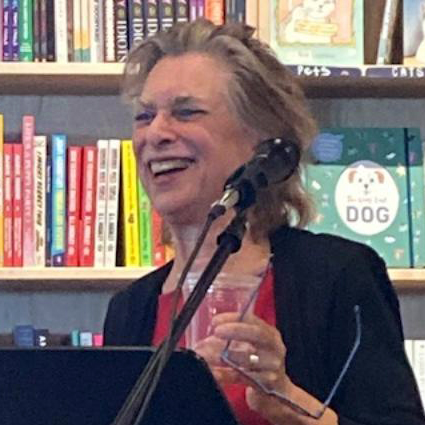
Joan Hawkins
Joan Hawkins received her PhD in comparative literature from the University of California Berkeley in 1993, and is currently a professor emerita at Indiana University Bloomington. Academically, she is best known for her work on horror and the avant-garde, especially her book Cutting Edge: Art Horror and the Horrific Avant-garde (University of Minnesota Press, 2000). Her most recent book is a co-edited (with Alex Wermer-Colan) anthology, William S. Burroughs Cutting Up the Century (Indiana University Press, 2019). With Carmel Curtis, she co-organized a retrospective of Barbara Hammer’s work, which played initially at the Indiana University Cinema and then travelled to the National Gallery in Washington, D.C. Her creative work and poetry have appeared in Sand, The Ryder, Avalanches of Poetry, Fevers of the Mind, the Plath Journals, n+1, and the Performing Arts Journal. She is currently editing a 2-volume anthology on 1968.
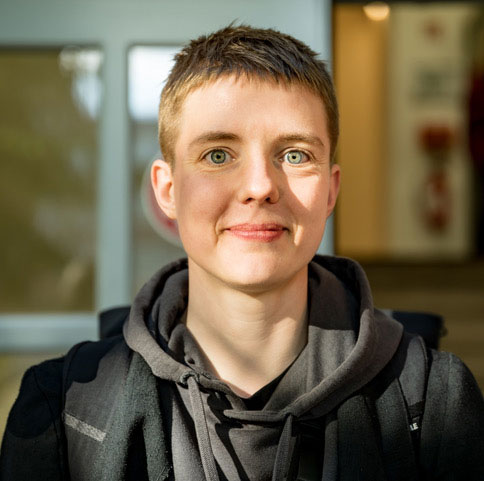
Sophie Holzberger
Sophie Holzberger’s research focuses on collective labor in feminist film history. They are a PhD candidate at the Martin Scorsese Department of Cinema Studies at New York University. Their dissertation examines the politics of collective filmmaking in West German feminist film history between the 1970s and 1990s, focusing on activist films and videos from different feminist movements. Whereas feminist film historiography oftentimes emphasizes single figures, this dissertation argues that the slow but steady change that feminist film and videomaking enabled in terms of film aesthetics and working conditions was only made possible through collective and collaborative work, situated in concrete relationships, and their messy life worlds. Next to their academic work they curate, most recently as part of feminist elsewheres. Sophie holds an MA in film studies from Freie Universität Berlin and a BA in comparative literature and art history from the University of Munich. More info on their research can be found here.
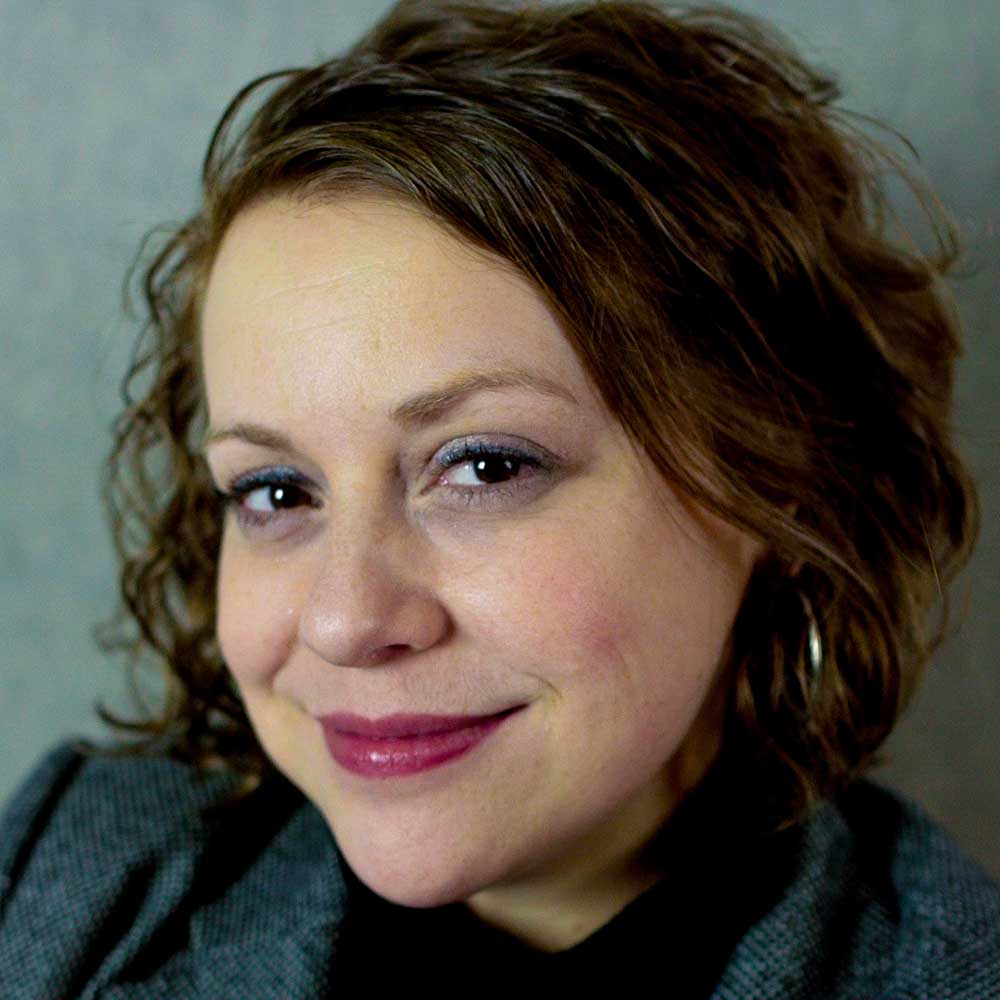
Mary Ellen Iatropoulos
Mary Ellen Iatropoulos ’05, MA, MPS, has been a teacher, leader, and advocate for media arts education throughout the Hudson Valley for nearly 20 years. As Director of Special Projects at The Art Effect, she oversees contracted media production programs with schools, libraries, and community organizations. She also adjuncts in Media and Communications at Dutchess Community College. Her edited volume of media criticism, Joss Whedon and Race: Critical Essays, won Best Book in Buffy Studies in 2016, and her upcoming peer-reviewed volume From Villain to Variant: Critical Essays on Marvel Studios’ Loki is forthcoming from McFarland Publishers in 2027.
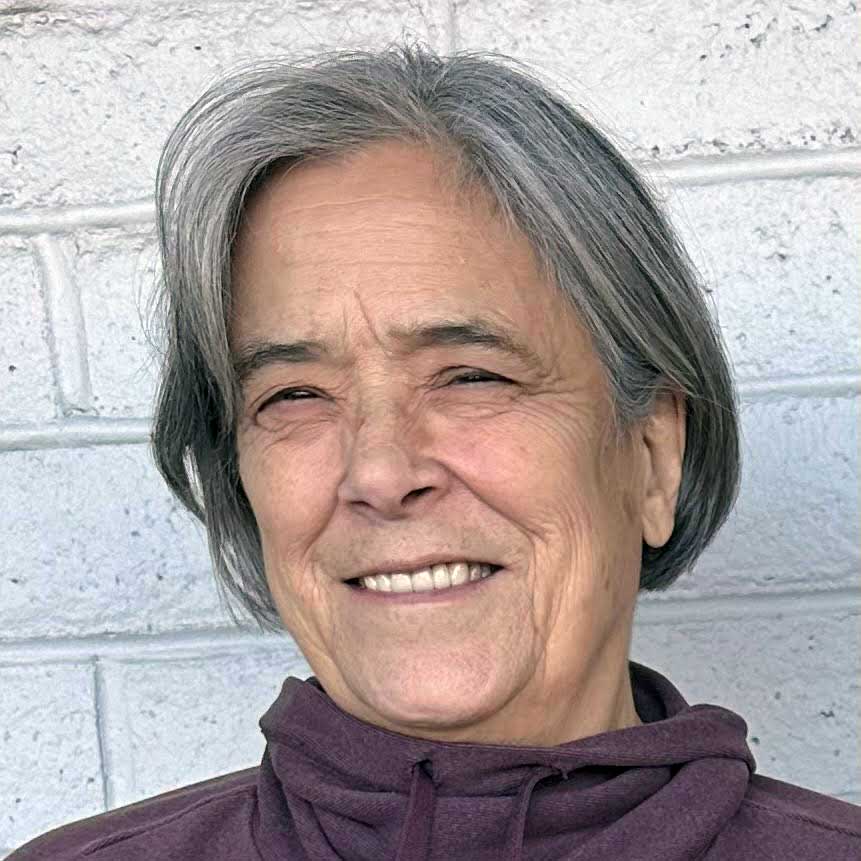
Mona Jiménez
Mona Jiménez began using video in 1974 for creative and social justice projects and is a longtime preservationist, educator, and organizer dedicated to participatory and cross-disciplinary models for media archiving and preservation. She initiated the models for Audiovisual Preservation Exchange (APEX) and community archiving workshops. From 2003 to 2017, she taught at NYU MIAP, leading curriculum development for video preservation, collection management, and media art conservation. She currently teaches media conservation at Elías Querejeta Zine Eskola and trains activists to use media to document human rights abuses.
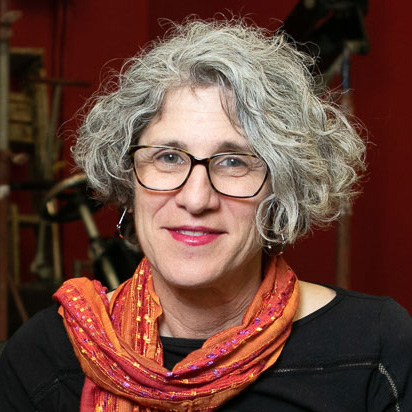
Alexandra Juhasz
Dr. Alexandra Juhasz is a distinguished professor of film at Brooklyn College, CUNY. She makes and studies committed media practices that contribute to political change and individual and community growth. She is the author of scholarly work on feminist and Black lesbian media, most recently with Yvonne Welbon, Sisters in the Life: A History of Out African American Media Making (Duke 2018); AIDS, most recently, We Are Having this Conversation Now: The Times of AIDS Cultural Production (with Ted Kerr, Duke, 2022); and fake (and real) documentaries, most recently, Really Fake (with Nishant Shah and Ganaele Langlois, Minnesota and Meson Press, 2021). Her VHS Activism Archive holds records of all her tapes collected about the issues raised above. Her current work (Fall 2025), HOLDING PATTERNS, takes the form of an installation about archives, grief, AIDS, and research, and is showing at ONE Archives in Los Angeles and the Center in NYC.
Sheila Paige
Sheila Paige is an independent filmmaker and co-founder of Women Make Movies. Paige’s The Women’s Happy Time Commune (1972), a comedic Western romp featuring an all-female cast and crew, is a landmark of feminist cinema, preserved in 2017 by the New York Women in Film & Television (NYWIFT). Paige’s other films include Testing, Testing, How Do You Do? (1969), A Street Harassment Film (1977), Motherly Memoirs of the Bandit Queen (1981), and Time and the Mermaid (2016).
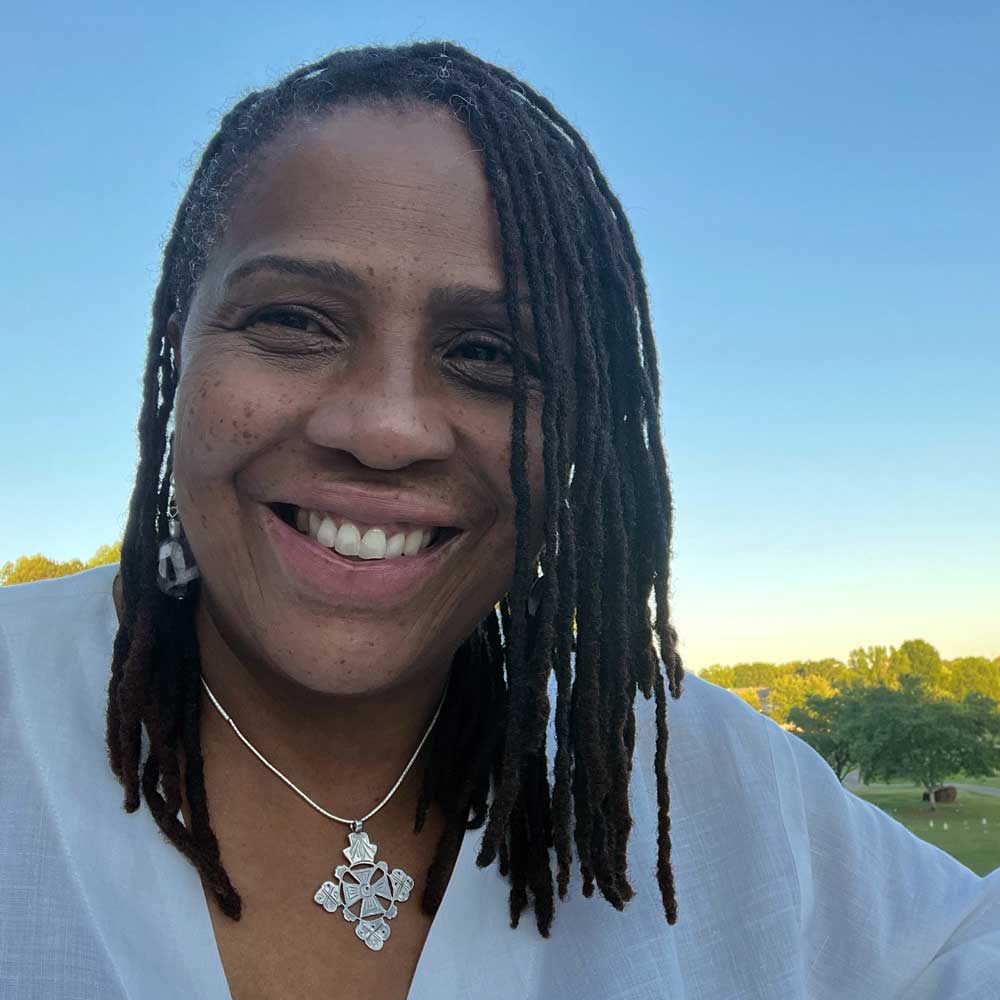
Cyrille Phipps
Cyrille Phipps is an NYC-based media educator/filmmaker with 30 years of production experience, working on short films, documentaries, and collaborating on projects that aired on PBS and HBO. She was the co-founder of Black Planet Productions, which produced the award-winning grassroots series Not Channel Zero: The Revolution, Televised, which was recently featured at MoMA. Currently, she is an associate professor of Communication Arts at Marymount Manhattan College. She recently completed the award-winning short film, Mama Duke (2022), which premiered at the Pan African Film Festival in Los Angeles, and previously wrote, shot, and directed Seen, But Not Heard: AIDS, Sexual Politics and the Untold War Against Black Women (2007). She is now developing a multimedia project and web series addressing gentrification in urban communities, specifically Bedford-Stuyvesant, Brooklyn.
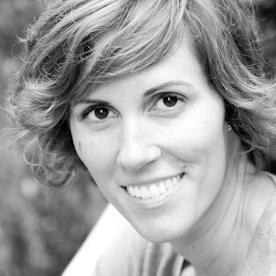
Elena Rossi-Snook
Elena Rossi-Snook is the film specialist at The New York Public Library and the collection manager of the Reserve Film and Video Collection. She has an MA in film archiving from the University of East Anglia and is a recipient of the Kodak Fellowship in Film Preservation. She has served as a curriculum consultant for New York University’s Moving Image Archiving and Preservation MA program, as a director of the board for the Association of Moving Image Archivists and The Video Trust, and as chair of the AMIA Film Advocacy Task Force. Her We Got the Picture was an official selection of the 2005 Tribeca Film Festival. Rossi-Snook also teaches film history at Pratt Institute in Brooklyn, N.Y.
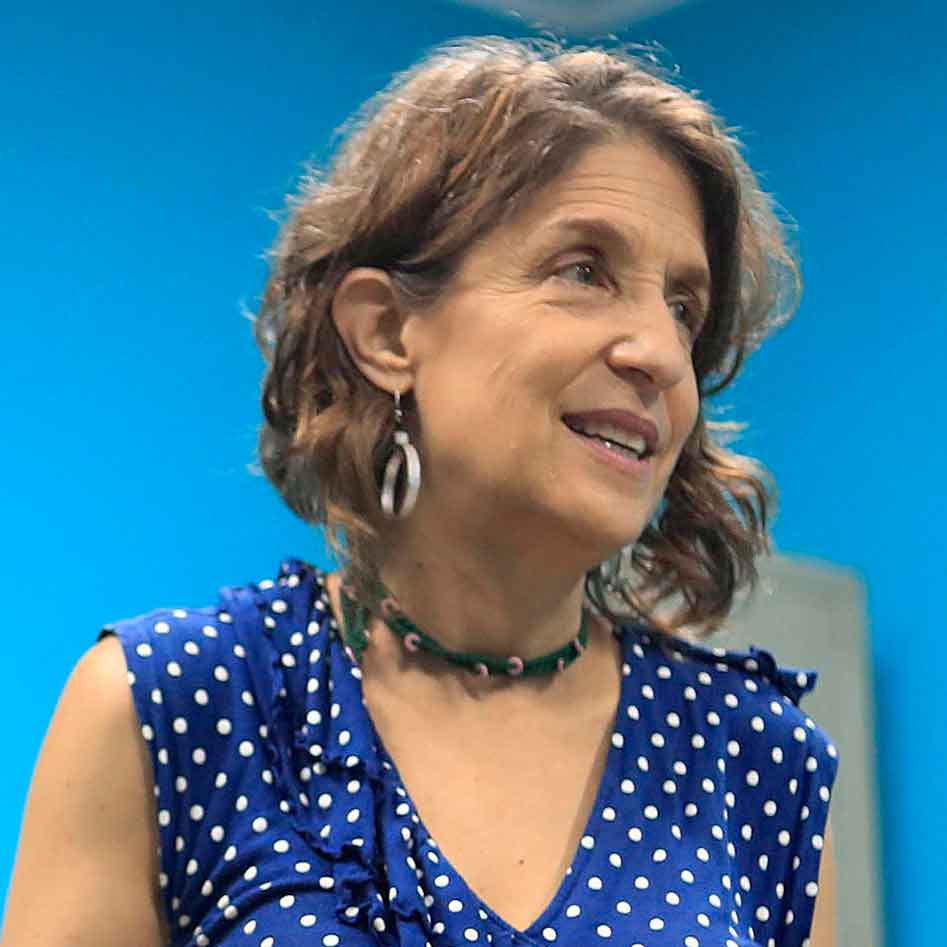
Lynne Sachs
Lynne Sachs is an experimental filmmaker and poet living in Brooklyn. Over the last four decades, she has created cinematic works that defy genre through the use of hybrid forms and cross-disciplinary collaboration, incorporating elements of the essay film, documentary, performance, and collage. Her films and poems explore the intricate relationship between personal observations and broader historical experiences. Working from a feminist perspective, she investigates connections between the body, the camera, and the materiality of film itself. Retrospectives of her work have been presented at the Museum of the Moving Image, Sheffield Doc/Fest, Buenos Aires International Festival of Independent Cinema, China Women’s Film Festival, Costa Rica IFF, and Ambulante Festival of Documentary Film (Mexico). Selected films include Film About A Father Who (2020), Your Day is My Night (2013), and Which Way is East (1994). Her books include Year by Year Poems (2019) and Hand Book: A Manual on Performance, Process and the Labor of Laundry (2025).
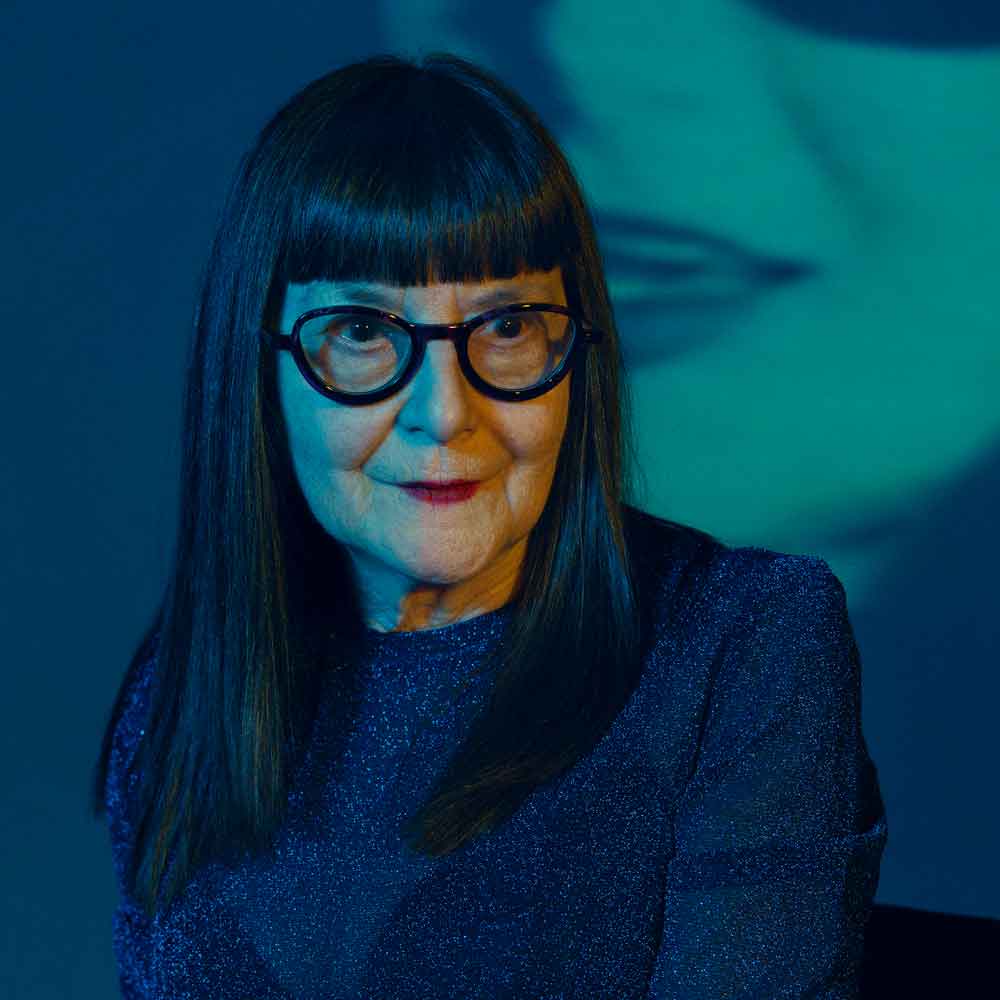
MM Serra
MM Serra is an experimental filmmaker, curator, film archivist, author, and was the executive director of Film-Makers’ Cooperative, the world’s oldest and largest archive of independent media, from 1990 to 2023. In recent years, she has been awarded the Emily Harvey Foundation Venice Residency (2023) and was the subject of Experimental Woman, a retrospective of her films at Millennium Film Workshop. Serra was also awarded a New York State Council on the Arts individual arts grant in 2024 to focus on NYC community gardens and urban ecosystems. The publication Framework’s 2025 issue (Vol. 65, Nos. 1 and 2) was devoted to Serra’s work, including tributes by 21 writers, artists, and scholars. That year, MM also co-curated, with Erica Schreiner, Queer and Uncensored, a major survey of queer film and video at the Museum of Modern Art. Currently, MM is working on the completion of La Serenissima, a new film made in Venice while in residence with the Emily Harvey Foundation.
Sandra Schulberg
Sandra Schulberg serves as President of the Laboratory for Icon & Idiom, Inc. (aka IndieCollect), a non-profit organization whose mission is to rescue, restore, and reactivate significant American independent films. A longtime indie producer, film financier, and advocate for “Off-Hollywood” filmmakers, she founded the IFP in 1978 (now operating as Film Independent in Los Angeles and the Gotham Film & Media Institute in New York), and co-founded First Run Features in 1980. IndieCollect has rescued, inventoried, and archived thousands of abandoned film negatives since 2013, and created the IndieCollect Index and Queer Cinema Index; it has completed and exhibited more than 60 restorations. In 2014, she completed a 10-year effort to restore Stuart Schulberg’s film, Nuremberg: Its Lesson for Today [The Schulberg/Waletzky Restoration], with support from the Righteous Persons Foundation and the Claims Conference. As Senior VP for the PBS American Playhouse series, she was involved in the financing of more than two dozen movies, including Angels and Insects (1995) and [Safe] (1995). Under her Schulberg Productions banner, she produced Jill Godmilow’s Waiting for the Moon (1987, Sundance Grand Prize winner) and John Hanson’s Wildrose (1984). For her contributions to American independent cinema, Schulberg has received Film Independent’s Spirit Award, the IFP’s Gotham Award, and the Berlinale Kamera Award.
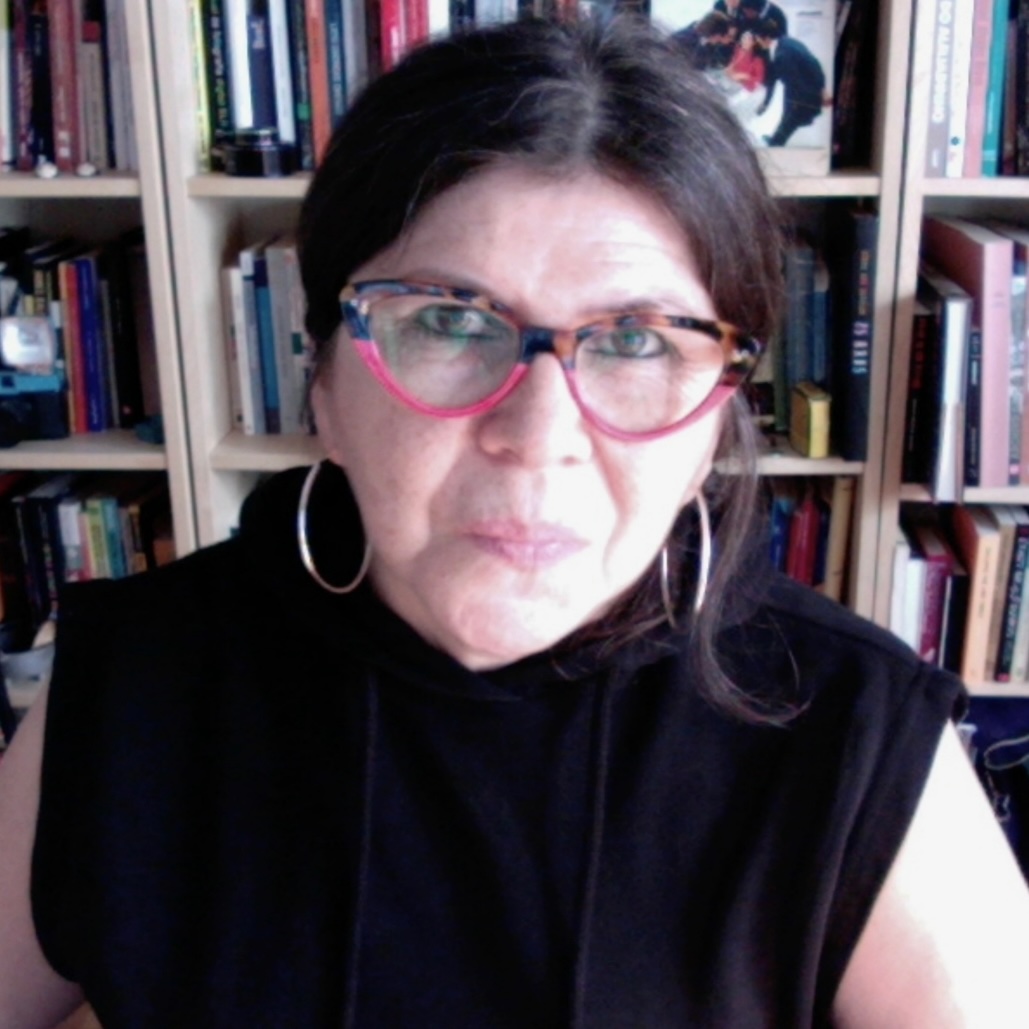
Juana Suárez
Juana Suárez combines careers as a scholar, film critic, and media archivist/preservation activist. Her research interests include media preservation, film archives, media archaeology, administration of memory institutions, film studies, Latin American/Latino-a cinema, cultural studies and literature, women’s and gender studies, and immigration studies. She is the author of several books, including Sitios de Contienda: Producción Cultural y el Discurso de la Violencia (Iberoamericana-Vervuert, 2010) and Cinembargo Colombia: Ensayos críticos sobre cine y cultura colombiana (Universidad del Valle, 2009; published in English by Palgrave Macmillan, 2012). Since 2013, she has organized and participated in the NYU-MIAP Audiovisual Preservation Exchange Program (APEX). In collaboration with the Pratt Institute School of Information, Suárez manages the Digital Preservation Outreach & Education Network (DPOE-N), funded by a Mellon Foundation grant. She is also a trustee for the Flaherty Film Seminar.
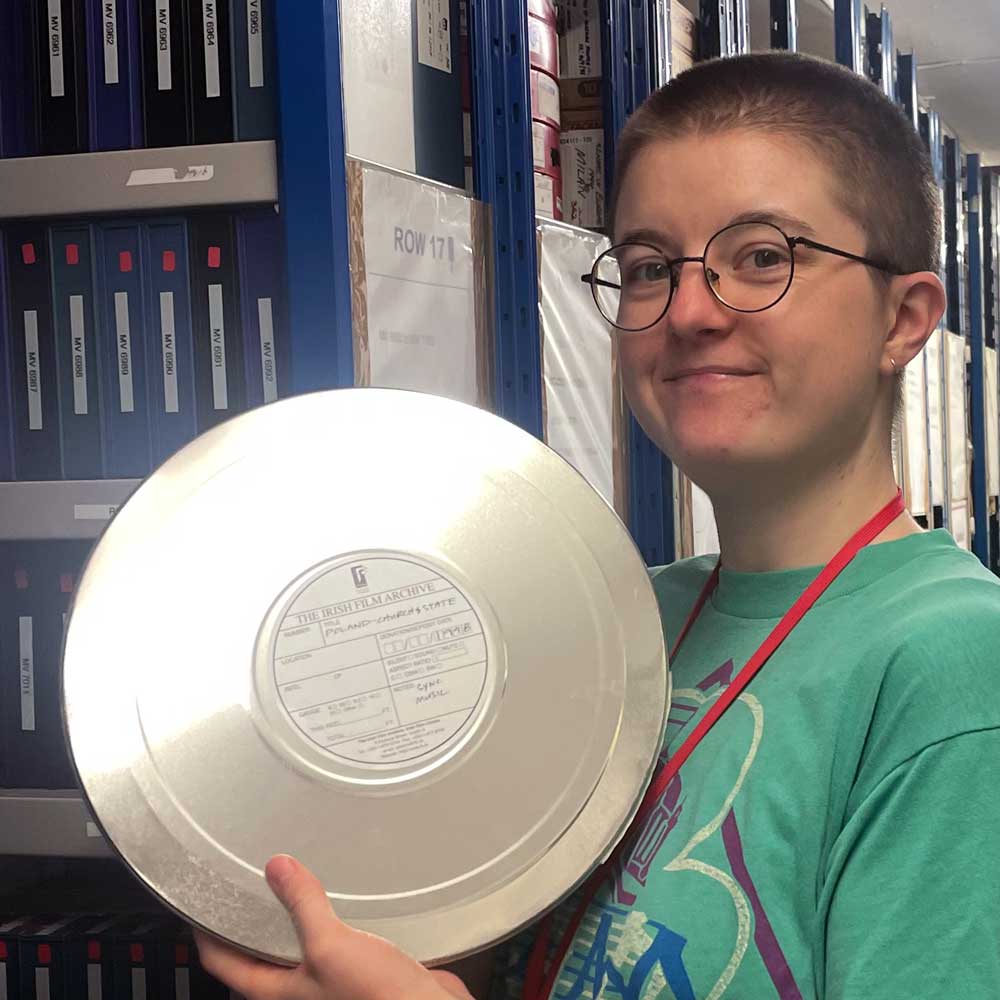
Liz Sullivan
Liz Sullivan (she/her) is a second-year NYU Tisch Moving Image Archiving and Preservation graduate student and volunteer archivist at the Lesbian Herstory Archives. She has done internships at the Museum of Modern Art, the Irish Film Institute, and Electronic Arts Intermix. For her thesis project, she is doing a preservation project and research on the film collection of the Lesbian Herstory Archives. Her interests include Women’s cinema histories, film/community archives, research through archival processing, and Lesbian-Feminist ethics as they pertain to access and preservation.
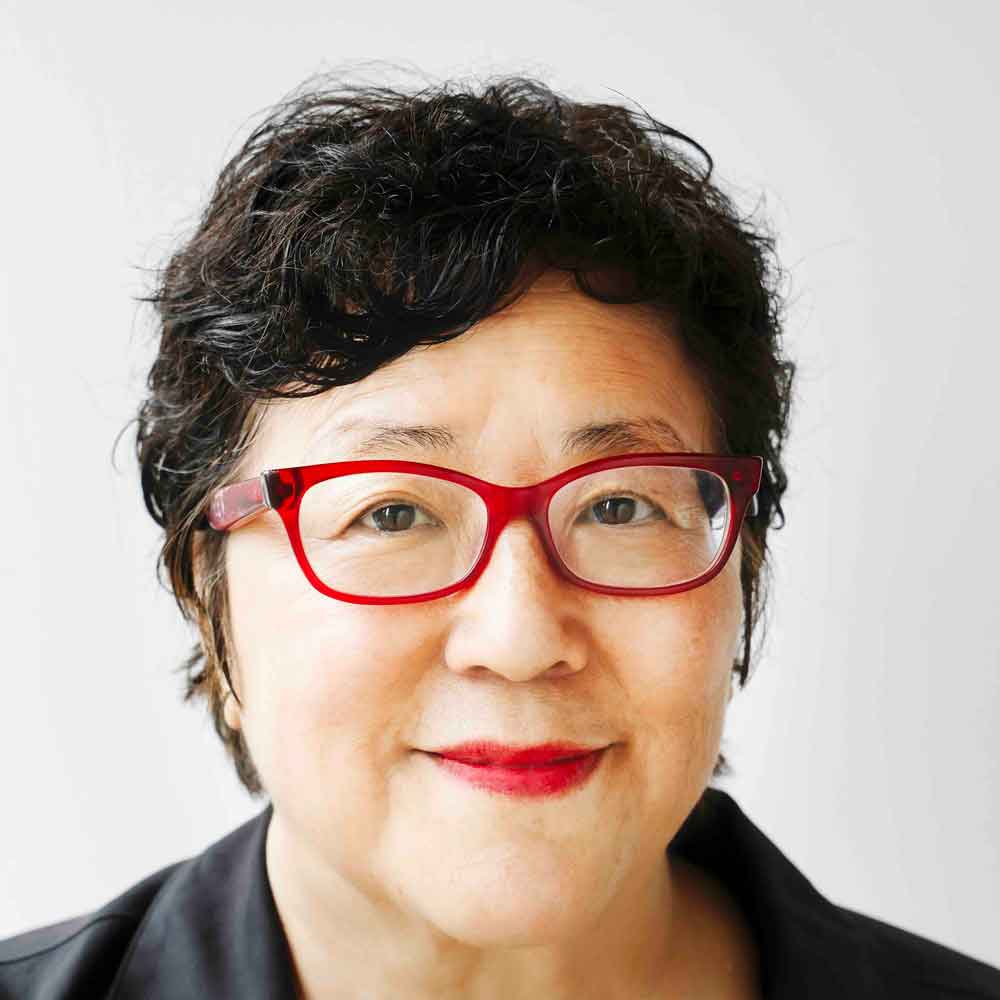
JT Takagi
JT Takagi is an award-winning independent filmmaker, sound recordist, and the executive director of Third World Newsreel (TWN), a progressive alternative media center working to advance storytelling and media arts for cultural and social justice. Takagi’s films are primarily on Asian, Asian American, and immigrant issues, including Bittersweet Survival (1982), Homes Apart: Korea (1991), and North Korea: Beyond the DMZ (2003), which aired nationally on PBS. As a sound engineer, she has recorded numerous public television and theatrical documentaries with Emmy and Cinema Audio Society nominations, including POWER (Yance Ford, 2024), Black Panthers: Vanguard of the Revolution (Stanley Nelson, 2015), the Emmy-winning and Oscar-nominated Strong Island (Yance Ford, 2017), and many others. She teaches film and sound at The City University of New York, CUNY, and serves on the boards of organizations working for peace and social justice.
In Memoriam
Women’s Work was supported by two luminaries of the independent film and video world, whose work inspired our program, as well as many of our attendees and panelists. While they unfortunately passed away between the beginning of planning for the Program in late 2024 and our convening in February 2026, their contributions have helped shape what we’re discussing and doing—together. We remember Christine Choy and Lauren Rabinovitz here.
Christine Choy (1949–2025)
Filmmaker, Co-Founder of Third World Newsreel and Professor at NYU Tisch School of the Arts
Christine Choy (b. Shanghai) was steeped in activism and progressive causes since her teenage years as a “Panther Youth,” assisting the Black Panthers. She joined the radical Newsreel collective in the early 1970s, which she and Susan Robeson rebuilt and renamed Third World Newsreel (TWN) in 1973 to foreground minority and working-class filmmakers and issues.
As an independent filmmaker, Choy received numerous international awards, including prestigious Guggenheim, Rockefeller, and Asian Cultural Council Fellowships. Many of her films drew attention to Asian American discrimination and resistance, including From Spikes to Spindles (1976), Mississippi Triangle (co-directed with Allen Siegel and Worth Long, 1983), and Who Killed Vincent Chin? (co-directed with Renee Tajima-Peña, 1987), which was nominated for an Academy Award. She also mentored countless filmmakers at TWN, on set, and as a professor at NYU Tisch School of the Arts.
Lauren Rabinovitz (1950–2025)
Co-Founder of Console-ing Passions and Professor Emeritus of American Studies, University of Iowa
Lauren Rabinovitz was a pioneering scholar of American avant-garde film, television studies, and American popular and food cultures. Her books included the first major feminist history of American avant-garde film, Points of Resistance: Women, Power, and Politics in the New York Avant-Garde Cinema, 1943-71 (University of Illinois Press, 1991). In it, she argued for the central role of women’s organizing, producing, and networks in the development of the form, laying the groundwork for other feminist inquiries into independent and experimental film, including this special program. Her other books and major works broke new ground in their respective areas as well, often by asserting the scholarly value of women’s material culture and the historical ephemera of their everyday lives. Beyond these monographs, edited volumes, and articles, Lauren also created venues where feminist scholars could come together to explore the nascent field of television studies and built digital technologies to allow students and scholars alike to re-encounter canonical Hollywood texts and their critiques. The networks, connections, and collaborations that she built continue to shape and influence the feminist study of American culture.
The programs and content presented at The Vassar Institute for the Liberal Arts do not necessarily represent the opinions of Vassar College or The Vassar Institute.
The Vassar Institute for the Liberal Arts
165 College Avenue, Poughkeepsie, New York 12604