Pier Carlo Tommasi
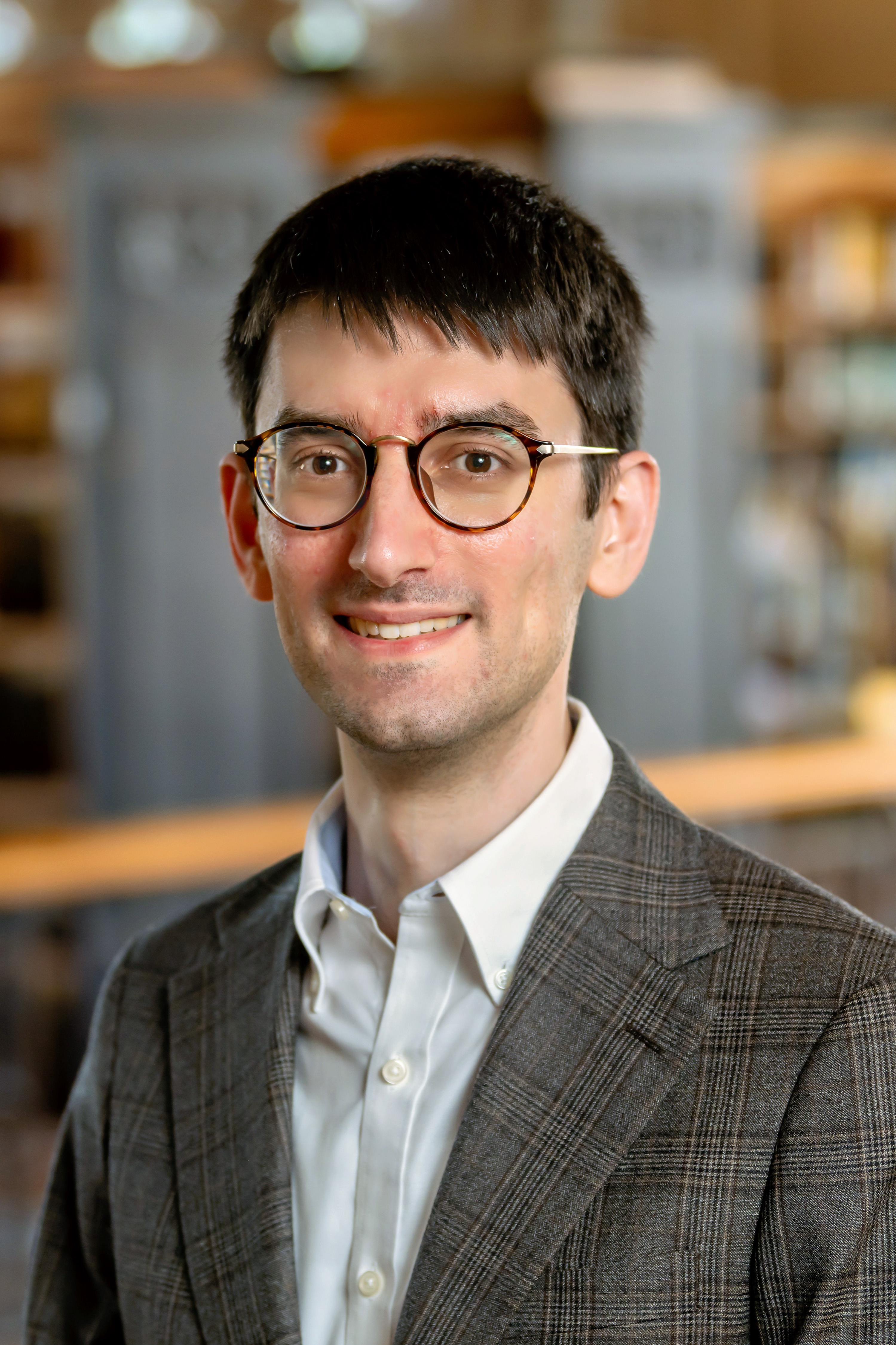
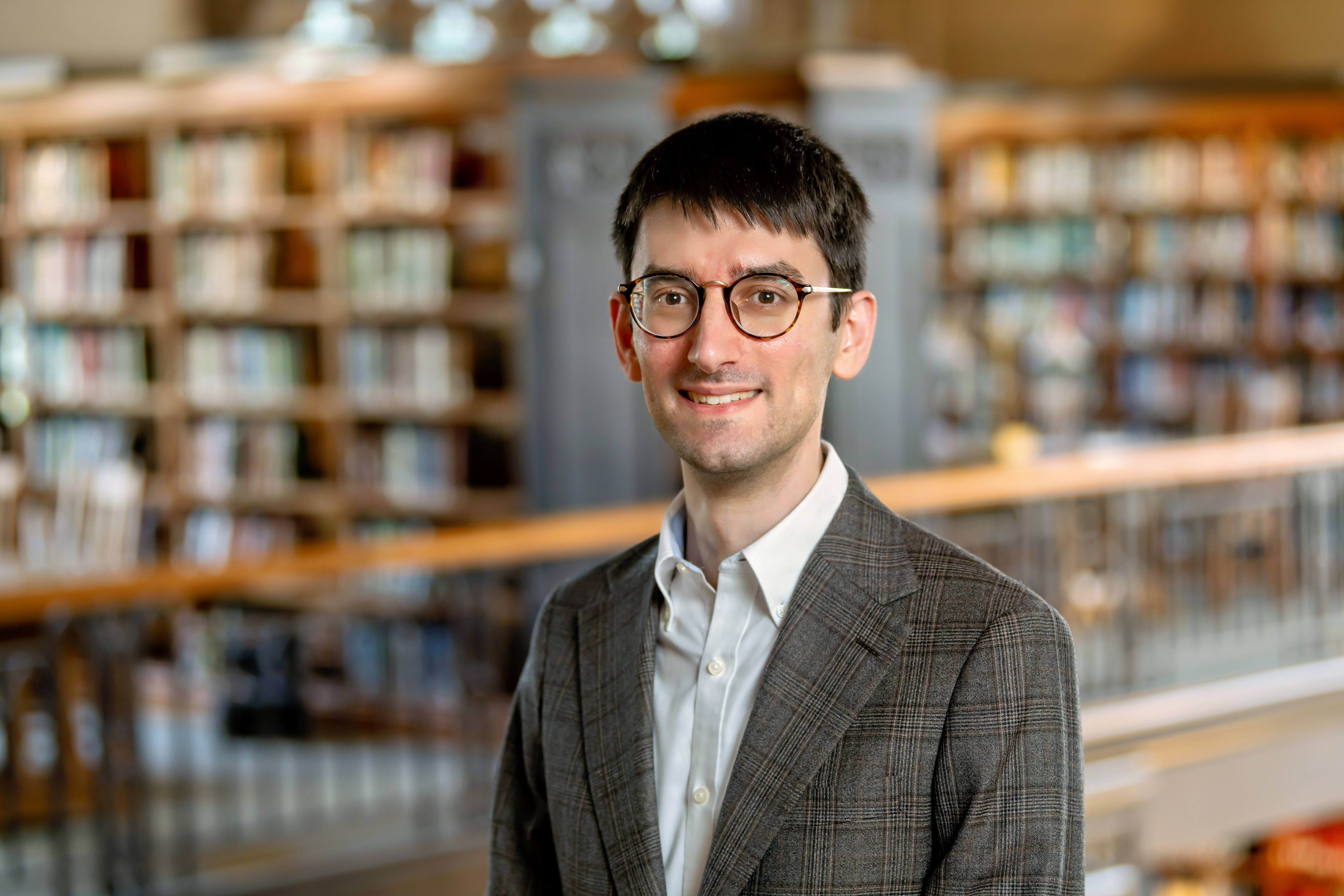
Pier Carlo Tommasi is Assistant Professor of Japanese at Vassar College. He earned his Ph.D. from Ca’ Foscari University of Venice, Italy, and previously worked at the University of Hawaiʻi at Mānoa. He joined Vassar’s Department of Chinese and Japanese in the fall of 2024. Dr. Tommasi specializes in medieval literature, with an emphasis on warrior culture and its local reconfigurations. More broadly, his research explores how writing practices shaped the concept and experience of selfhood in premodern Japanese society.
Pier Carlo Tommasi is Assistant Professor of Japanese at Vassar College. He received his Ph.D. in East Asian Studies from Ca’ Foscari University of Venice in 2019. The core of his philological training took place over multiple stays in Japan, including two years at the Keio Institute of Oriental Classics (Shidō Bunko). After completing his graduate studies, he joined the faculty at the University of Hawaiʻi at Mānoa before transitioning to his current role at Vassar College.
Dr. Tommasi’s research bridges literature, history, and critical theory by exploring the relationship between literary regimes and political life during Japan’s “Middle Ages” (12th–17th centuries). His monograph project, tentatively titled Writing Warriors: Literary Techniques of the Self in Late Medieval Japan, draws on a range of published and unpublished sources to unveil the forgotten legacy of provincial warriors. By examining the life narratives of overlooked individuals through the lens of auto/biographical studies, he argues that their strategies of self-representation reinvented a vast repertoire of genres and tropes, expanding the canon with new modes of cultural production and commentary.
In both research and teaching, Dr. Tommasi emphasizes the intersectional dynamics of identity formation in non-Western, non-modern societies. He has taught interdisciplinary courses such as “Gender & Otherness in Premodern Japan,” “Cross-cultural Contaminations in the Japanese Sinosphere,” and “Tradition & Creativity in Japanese Culture,” integrating analytic and creative activities to foster student invention and self-reflection. A highlight of his pedagogy is the “Archive Project,” which offers students the opportunity to research original artifacts from local collections and museums. This object-based, experimental approach to learning earned him the 2024 Faculty Award for Excellence in Mentoring Undergraduate Research & Creative Work at UH Mānoa and will continue at Vassar through collaboration with the Frances Lehman Loeb Art Center.
Research and Academic Interests
- Japanese literature
- Auto/biography
- Book history
- Medievalism & Samurai culture
- Classical language (bungo) pedagogy
Departments and Programs
Courses
- JAPA 205 & 206: Intermediate Japanese
- JAPA 305 & 306: Advanced Japanese
- JAPA/ASIA 125: Tradition and Creativity in Japanese Culture
- JAPA/ASIA 335: Life-Writing & Autofiction in Japan
- JAPA/ASIA 375: The Archive Project
Selected Publications
“Mono ga kataru senran: Tōken setsuwa ‘Aranami’ to kioku no yukue” モノが語る戦乱:刀剣説話「荒波」と記憶の行方 (“Telling War Through Things: The ‘Aranami’ Sword Tale and the Drift of Memory”). In Ikusa to monogatari no chūsei いくさと物語の中世, vol. 2, edited by Hasegawa Masae 長谷川正江, Suzuki Akira 鈴木彰, and Minamoto Ken’ichirō 源健一郎. Tokyo: Kyūko Shoin, pp. 237–255.
“Contesting the ‘Classical,’ Creating Communities: The ‘Intercollegiate Classical Japanese Poetry Contest’ within the Landscape of 2020s North American Bungo Pedagogy.” Co-authored with Marjorie Burge and Jeffrey Niedermaier. Japanese Language and Literature, 59/2, pp. 307–349. DOI: 10.5195/jll.2025.373
“Neither Plagiarism nor Patchwork: The Culture of Citation and the Making of Authorship in Medieval Japanese Poetry.” Monumenta Nipponica, 77:2 (2022), pp. 207–58. DOI: 10.1353/mni.2022.0047
“The Bunbu Paradigm Reconsidered: Warrior Literacy and Symbolic Violence in Late Medieval Japan.” In Proceedings of the Association for Japanese Literary Studies 19 (2020), pp. 89–113. DOI: 10.26812/pajls.v19i.1552
“Lo specchio del guerriero: Forme di autorappresentazione e riflessi letterari nel Minokagami di Tamaki Yoshiyasu” (The Warrior’s Mirror: Forms of Self-Representation and Literary Reflections in Tamaki Yoshiyasu’s Minokagami). In Orizzonti giapponesi: ricerche, idee, prospettive, eds. Matteo Cestari, Gianluca Coci, Daniela Moro, and Anna Specchio, pp. 305–327. Rome: Aracne, 2018. DOI: 10.4399/978882552118415
Grants, Fellowships, Honors, Awards
2025. Carolyn Grant ’36 Endowment Award, Vassar College.
2025. Data Science & Society Small Grant Award, Vassar College.
2024. OVPRS Faculty Award for Excellence in Mentoring Undergraduate Research & Creative Work, University of Hawaiʻi at Mānoa.
2023. Japan Studies Endowment Special Project Award, UHM Center for Japanese Studies.
The Japan Foundation Japanese Studies Fellowship for Doctoral Candidates, 2018–2019.
In the Media

Photos
Download images for non-commercial use, photo credit required.