Leroy Cooper, Associate Professor of Biology and the Pauline Newman Director of Science, Technology, and Society, Receives NIH Grant
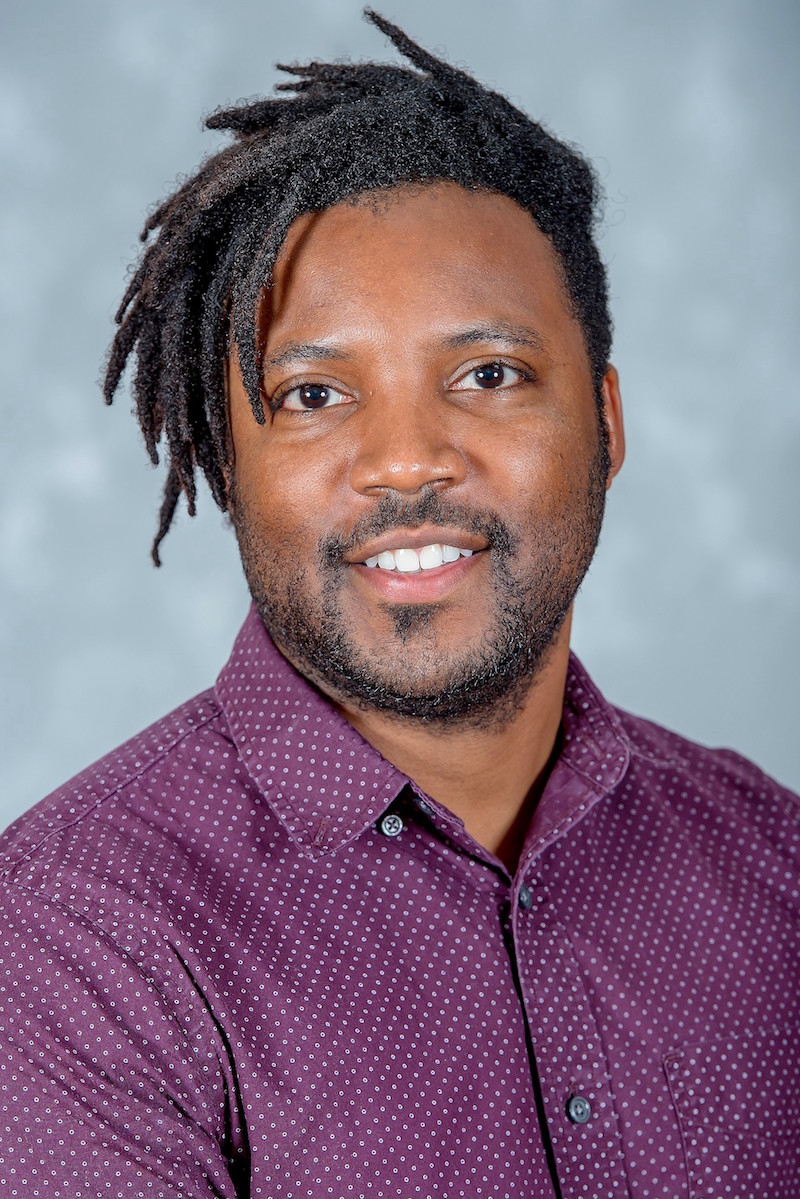
Leroy Cooper, Associate Professor of Biology and the Pauline Newman Director of Science, Technology, and Society, received an R03 grant award from the National Heart, Lung, and Blood Institute. His study, titled “Cross-sectional and longitudinal associations of smoking behavior with measures of subclinical vascular brain injury and microvascular function,” will determine how smoking and smoking cessation affect early, reversible vascular injury in the brain and peripheral circulation, using advanced imaging and vascular function data.
Cigarette smoking is one of the leading and most preventable causes of heart and blood vessel disease. Smoking harms blood vessels throughout the body. It makes large arteries stiffer, damages the inner lining of blood vessels, and disrupts blood flow in small vessels. These changes are signs of early aging of the blood vessels and may reduce healthy blood flow to the brain.
Damage to blood vessels can begin years before symptoms appear. This early damage may also affect the brain and raise the risk of memory problems and dementia later in life. However, it is not yet clear how smoking leads to early brain damage or whether quitting smoking can reverse some of these effects.
Leroy’s research will use data from the Framingham Heart Study, a long-term study that follows adults over many years, to explore how smoking and cessation affect blood vessels and brain health over time. His study will help show whether the harmful effects of smoking on blood vessels and the brain can improve after quitting, and findings will help identify modifiable biological pathways that can guide dementia prevention and vascular health interventions.