American and Native American Studies is an interdisciplinary field defined both by its objects of study—the processes, places, and people that comprise the United States—and by a mode of inquiry that moves beyond the scope of a single disciplinary approach or critical methodology.
American and Native American Studies majors develop a rich understanding of the complex histories that have resulted from the conflict and confluence of Indigenous, European, African, and Asian cultures throughout the Western hemisphere, and explore U.S. nation-formation in relation to global flows of American cultural, economic, and military power. An individually designed course of study, which is the hallmark of the program, allows students to forge multidisciplinary approaches to the particular issues that interest them.
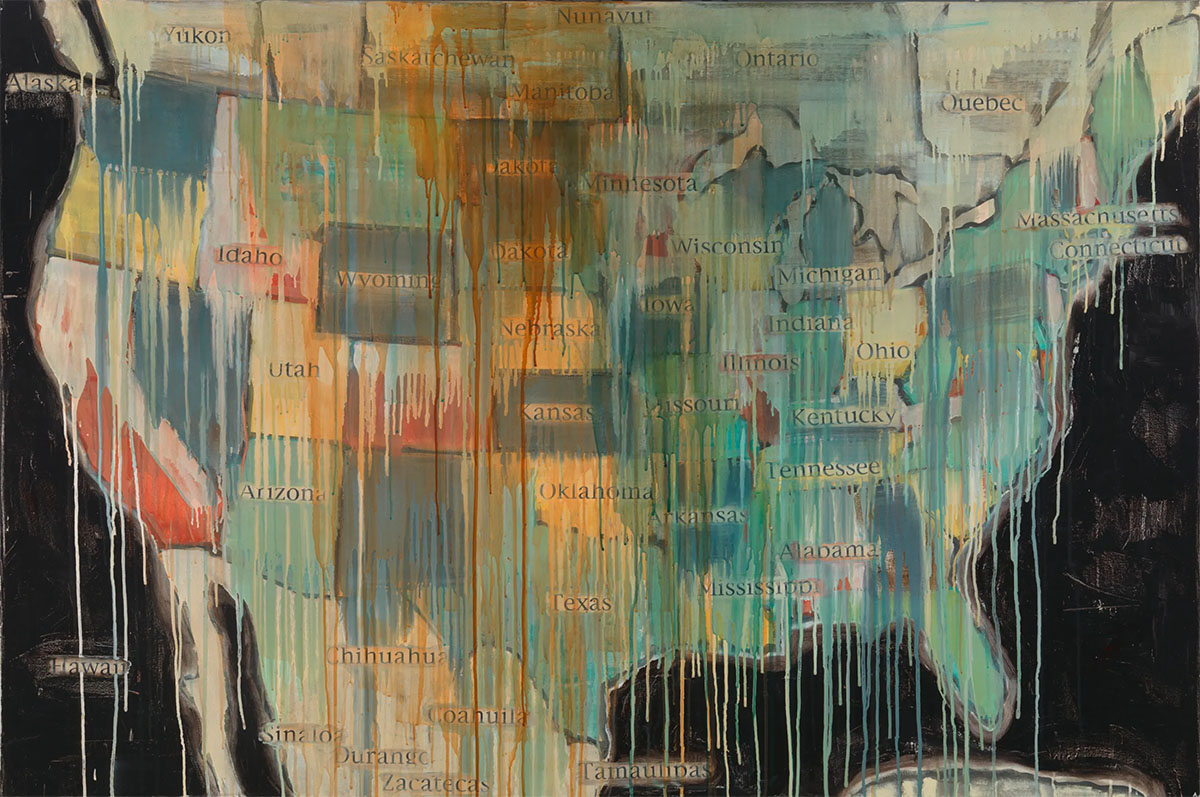
The American and Native American Studies Program offers both core program courses and cross-listed electives via the following interrelated rubrics:
The United States in a global context: the role of the United States outside of its national borders; the flow of peoples, ideas, goods, and capital both within and beyond the United States; explorations of historic and contemporary diasporas; contexts and cultures of U.S. militarism and anti-militarism.
Spaces, places, and borders: explorations of particular places and processes of place-making in the U.S.; focus on borders and borderlands as contested geographical and figurative spaces of cultural, political, and economic exchange.
U.S. cultural formations: investigations of literary, visual, audio, and performance cultures, and their interaction; U.S. popular culture, music, and media.
Identity, difference and power: the contest to extend the promises of abstract citizenship to the particular experiences of embodied subjects; shifting politics of U.S. immigration; explorations of the production, representation, and experience of race and ethnicity in the U.S., including structural dimensions of race and racism; investigations of the intersections of race with gender, class, sexuality, and other systems of difference.
U.S. intellectual traditions and their discontents: explorations of American religious, cultural, and political thought; traditions of social and political protests; discourses of sovereignty, liberty, federalism, individualism, and rights.
The program also offers a correlate sequence in Native American studies which enables students to examine Indigenous cultures, politics, histories, and literatures, in a primarily North American context.
The American and Native American Studies Program values close faculty-student interaction. Courses employ a range of collaborative learning strategies; mentored independent senior work is an integral component of the major.
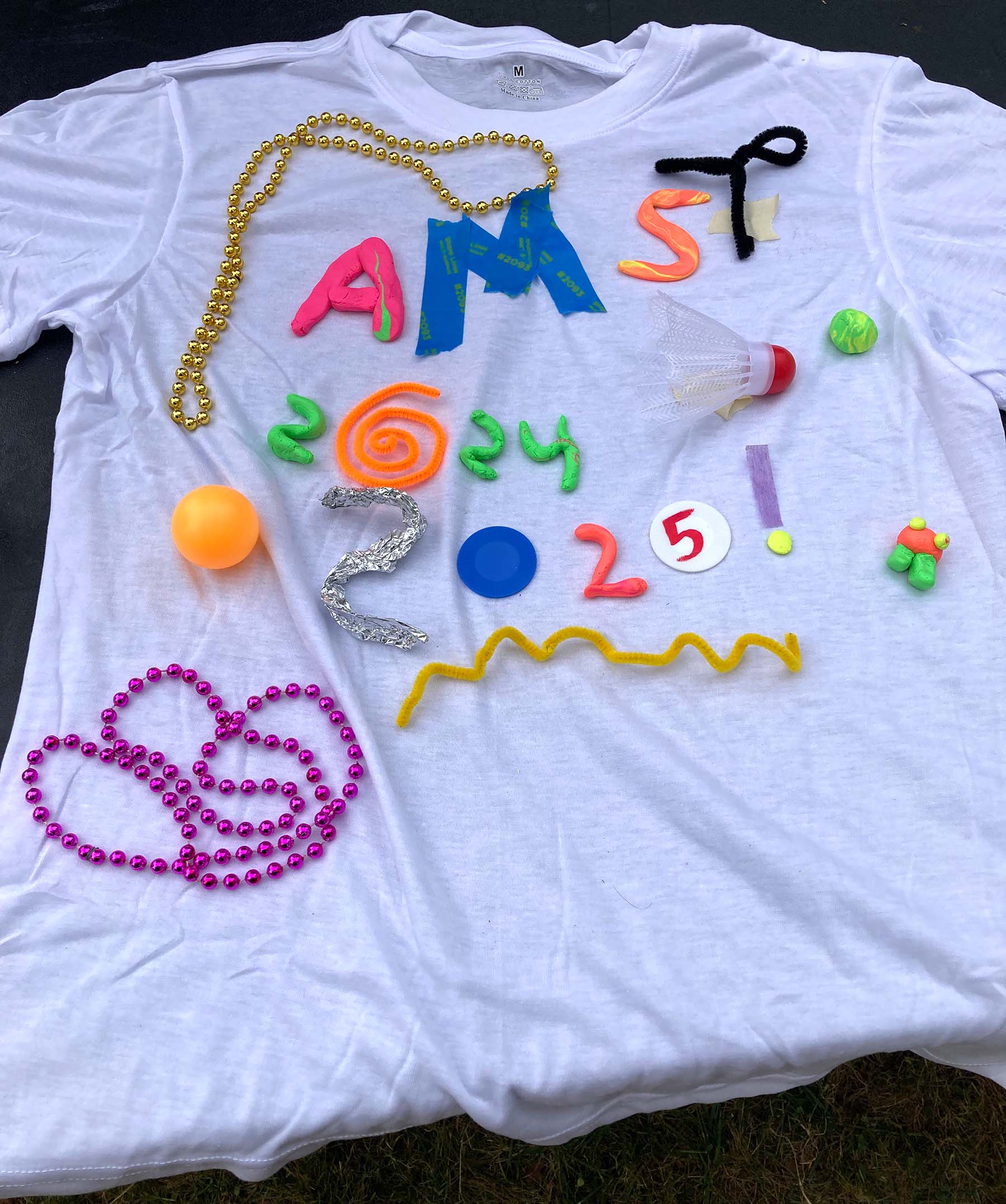
Fun & Creativity With American Studies
Events

Molly Worthen, Professor of History at the University of North Carolina at Chapel Hill, will present this year’s annual Frederic C. Wood Lecture.
This event is open to the public.
Prof. Katie Acosta discusses how queer stepfamilies navigated both the legal landscape and the challenges of “plural parenting” in the context of marriage equality litigation.

Explore language and identity through a documentary screening and discussion with filmmaker Jan Müller and featured participant Brock Schreiber.
This event is free and open to the public.
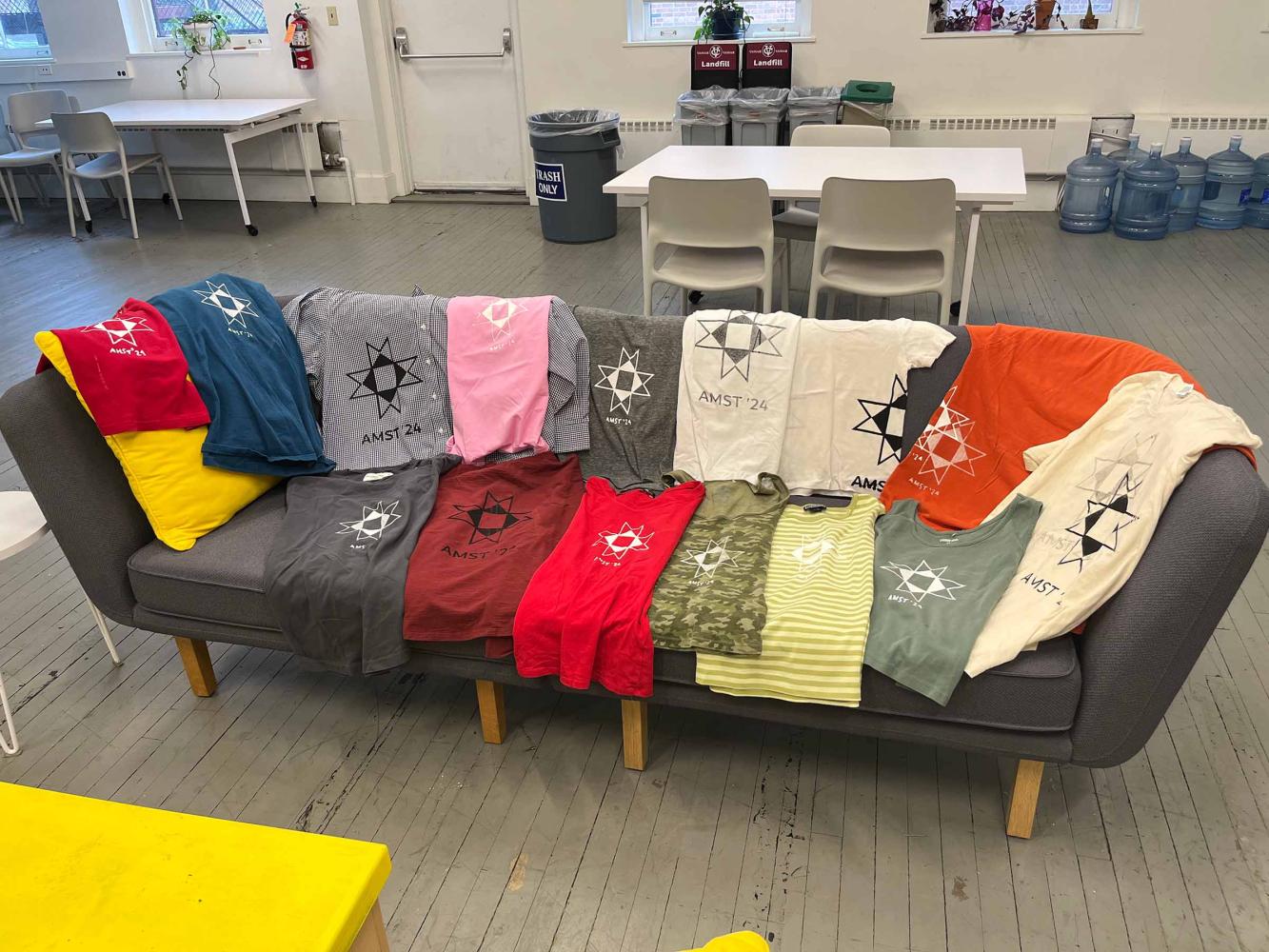
Merch Design Event
American and Native American Studies students created custom-designed screen-printed t-shirts from thrifted clothing.