Past Events
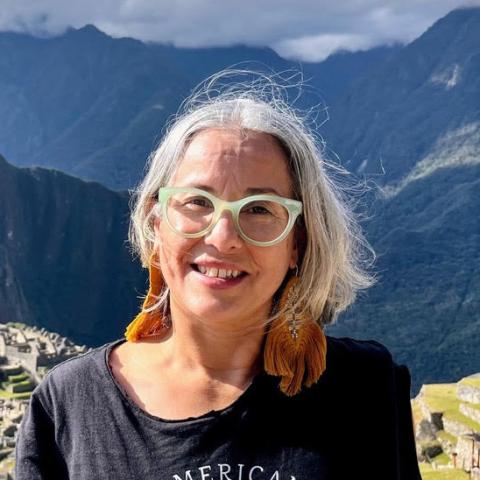
Catherine Ramírez explores race, immigration, automation, and visions of labor in Latinxfuturist works.
This event is free and open to the public.
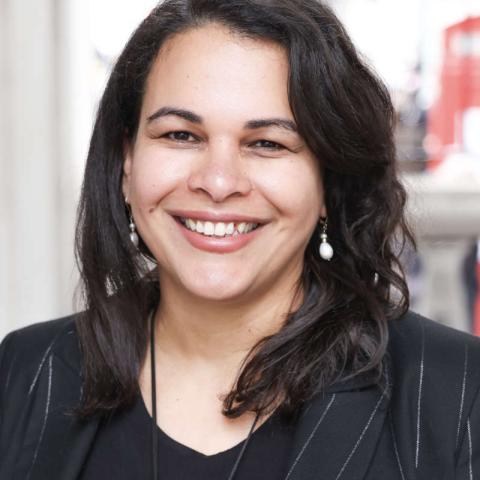
This talk explores how the ancient Greeks served as a rallying point for Caribbean diasporic communities in New York City in the 1970s. Professor Andújar will discuss how Greek tragedies featuring obstinate figures resisting powerful authorities (such as Prometheus and Antigone) and oppressed groups (like the enslaved women of Troy) provided important models for minoritized communities in the United States.
This event is free and open to the public.
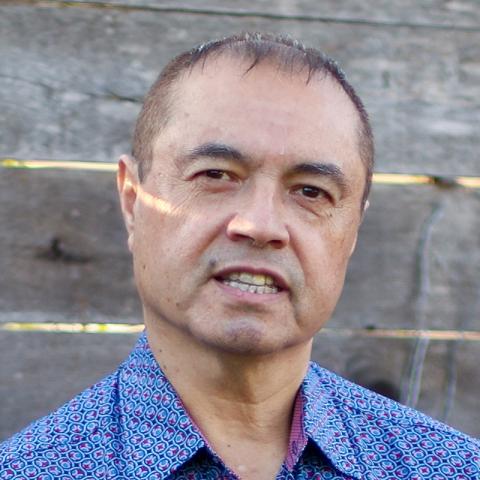
Lecture by Dr. Luis Cárcamo-Huechante, President of the Native American and Indigenous Studies Association and Associate Professor at The University of Texas at Austin, discussing his new book Acoustic Colonialism: Acts of Mapuche Interference.
Free and open to the public.
Vassar celebrates Soweto with a screening of Sifiso Khanyile’s critically acclaimed documentary Uprize!, followed by a faculty roundtable featuring Professors Mia Mask, Ismail Rashid, and Samson Opondo, along with local activist and South African native Dr. Ereshnee Naidu. The discussion will be moderated by Professor Mariam Rashid.
Campus community only, please.
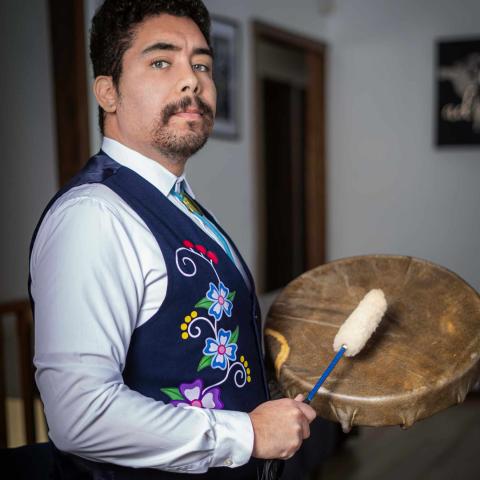
This talk will introduce attendees to the concept of Indigenous geographies, and will encourage them to think about the field as not just an academic area of study, but a lived experience and something that they can experience, whether they are Indigenous or not.
This event is free and open to the public.
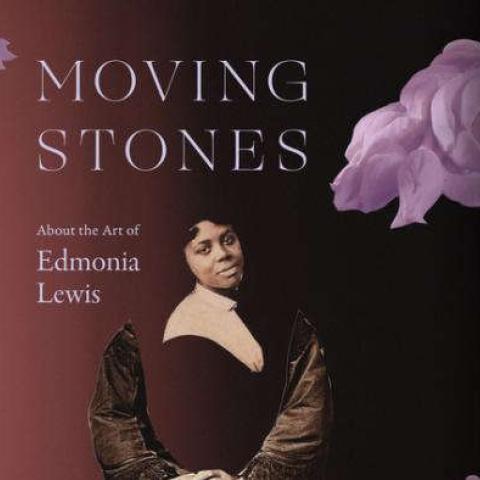
In this C. Mildred Thompson lecture, Professor Jennifer Brody ’87 discusses her forthcoming book, Moving Stones: About the Art of Edmonia Lewis. It explores the extraordinary life and work of Edmonia Lewis, the Black and Ojibwe sculptor who rose to international fame in the nineteenth century.
This event is free and open to the public.
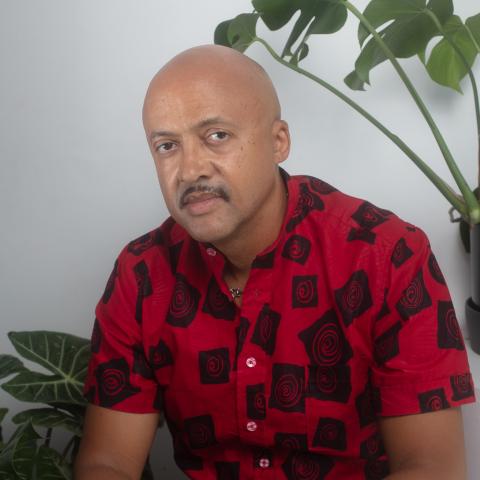
This talk examines how Black artists transform AI from a tool of command and control into a medium for intergenerational dialogue and alternative worlding.
This event is free and open to the public.
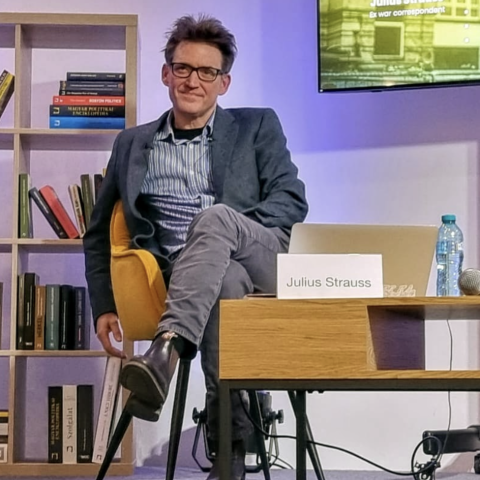
Renowned British war correspondent and journalism professor Julius Strauss presents his 47-minute documentary film Return to Kosovo and responds to questions about his work. This event is open to the public.
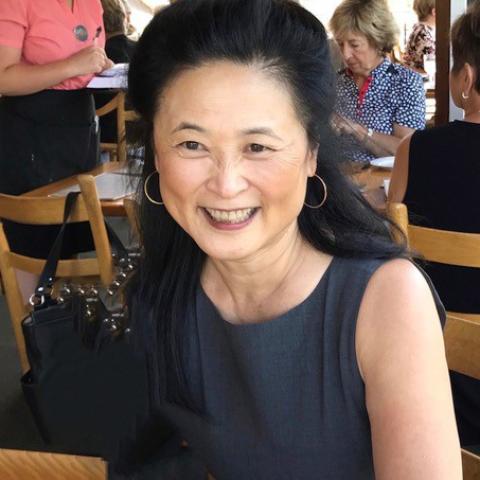
This lecture examines literary and historical narratives to elaborate “colonial domesticity.”
Campus community only, please.
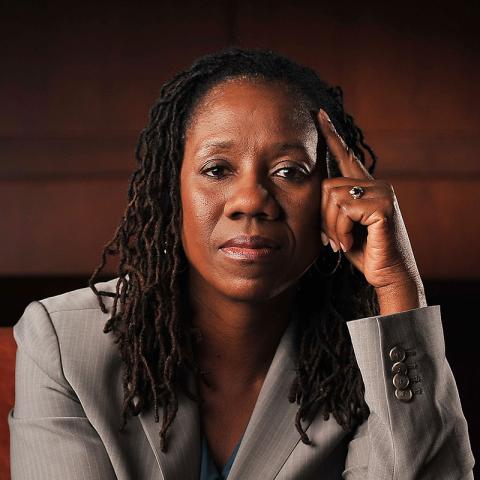
Sherrilyn Ifill ’84 discusses reimagining a new American democracy, and the role of the legal profession in defending civil rights for this year’s Norman E. Hodges Biennial Lecture.
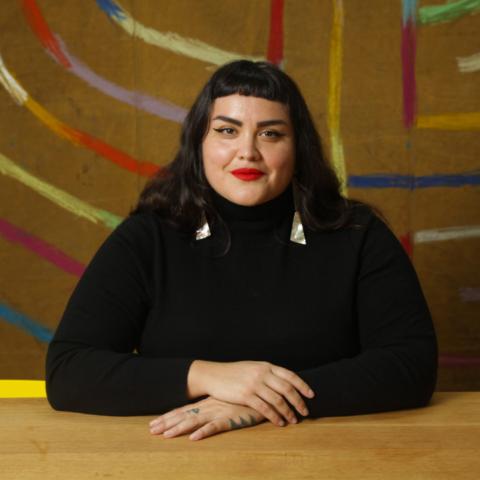
Their work is grounded in personal experiences and the work stewarded at the Forge Project.
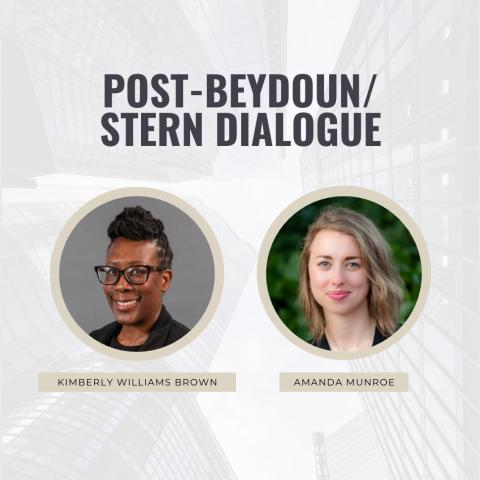
Join Amanda Munroe, Director of Restorative Practices, and Professor Kimberly Williams Brown, Director of Engaged Pluralism, in one of our intergroup dialogue sessions following Khaled Beydoun and Ken Stern's moderated discussion.
Campus community only, please.
Join Amanda Munroe, Director of Restorative Practices, and Professor Kimberly Williams Brown, Director of Engaged Pluralism, in one of our intergroup dialogue sessions following Khaled Beydoun and Ken Stern's moderated discussion.
Campus community only, please.
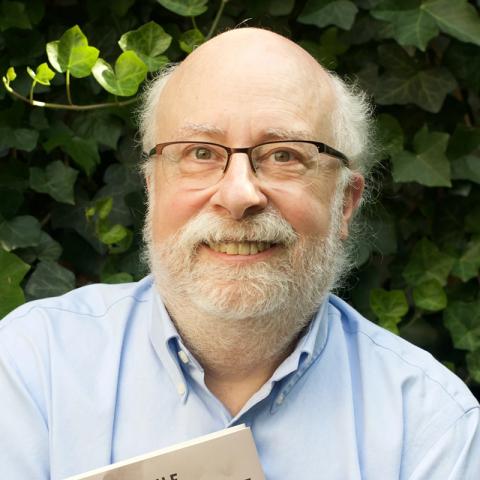
Join scholar Ken Stern for a small group discussion on antisemitism and hate. Lunch will be served. RSVP is required.
Campus community only, please.
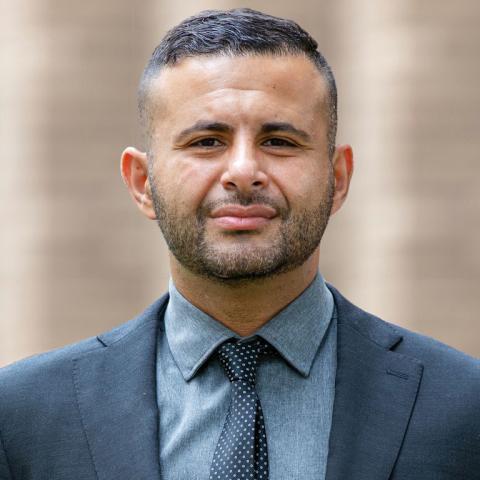
Join scholar Khaled Beydoun for a small group discussion. Breakfast will be served.
Campus community only, please.