Riso Paradiso: Utopian Moments of a New Medium in the Global Village
Art Library Central Reading Room
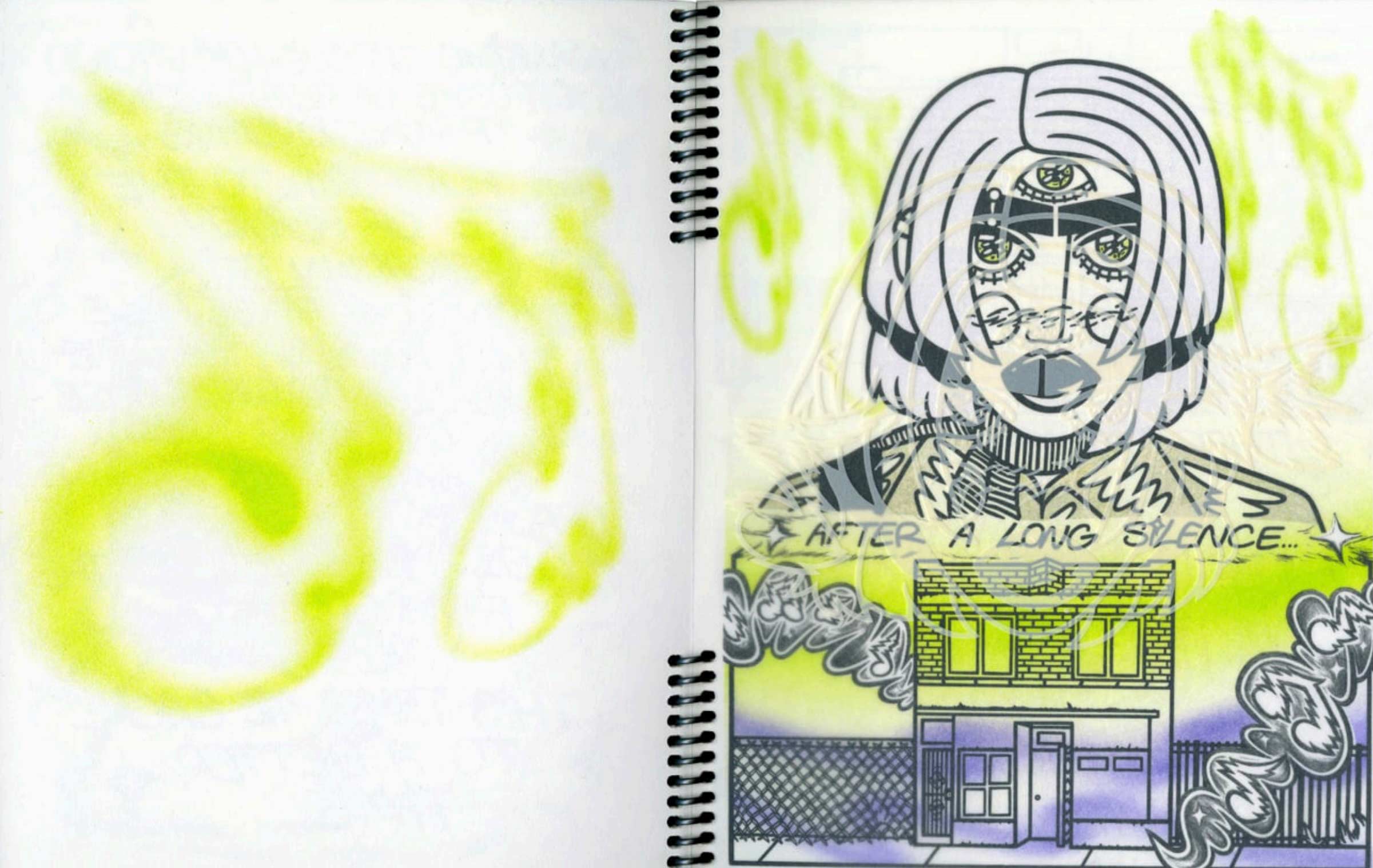
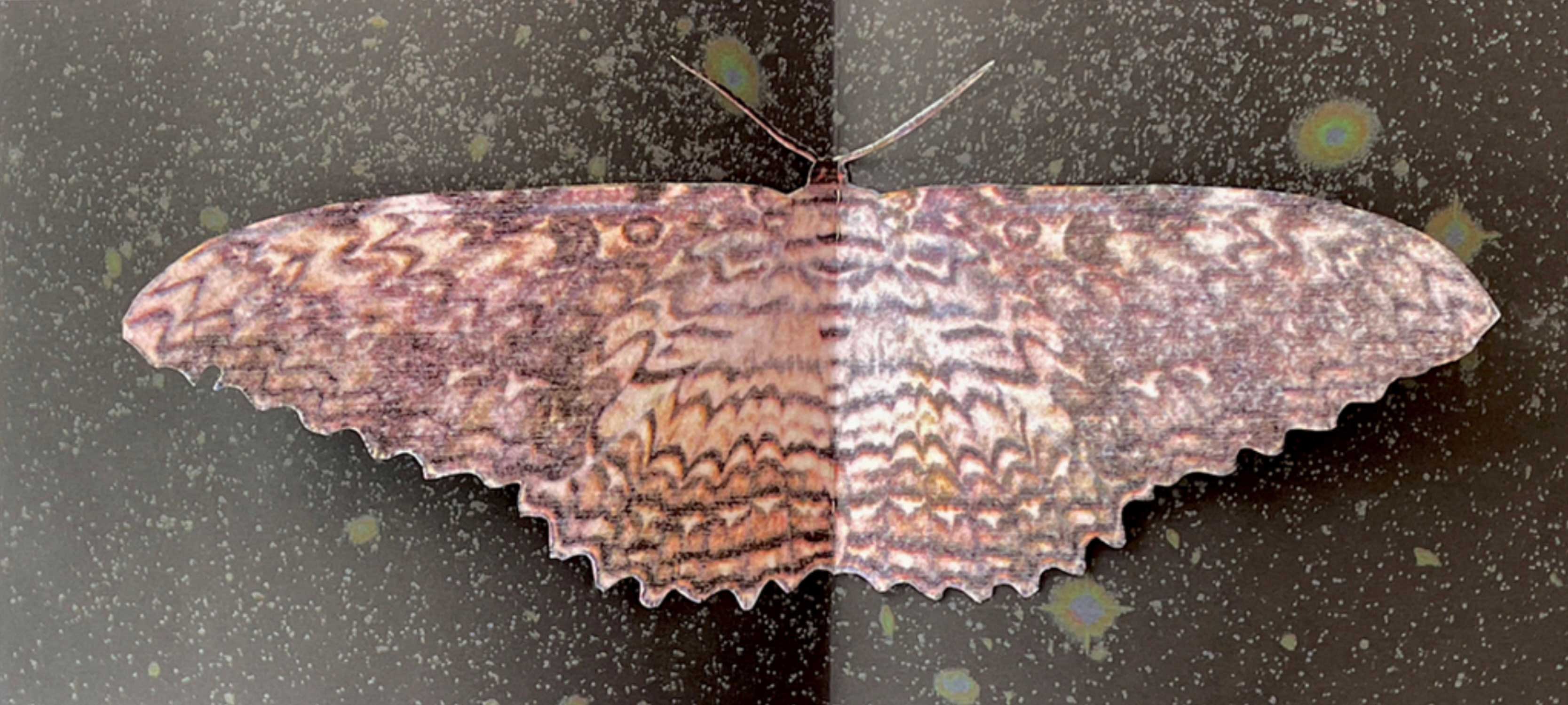
The Vassar Art Library is delighted to feature an exhibition of contemporary artists’ books, zines, and other printed works to showcase the widespread adoption of risograph printing in the art world. We are fortunate to be witnessing the rapid dissemination of this new medium, developed in Japan in the 1980s, as it is being widely incorporated into the world’s media culture by artists and art studios. Risography possesses all the excitement of experimentation and discovery of a technology that offers us a new window on the world, and may serve as a relief to the alienating and dehumanizing effects of ubiquitous mass media.
A descendant of the mimeograph duplicator and designed as a low-cost color copy technology, a risograph is a mechanical screen printer that uses liquid, soy-based spot inks and a drum-driven thermal stencil, which makes it a hybrid of screen printing and the photocopy. Like the mimeograph, its low cost originally made it appealing as a communication technology to low-budget enterprises such as schools, churches, and NPOs. Over the last ten years, the risograph has drawn the attention of graphic artists and designers because of its low environmental impact, as well as its haptic and plastic properties. These include its flat, neon color palette, its use of unglazed paper, and inherent imperfections in the process, such as ink smudging and misregistration. As an almost perfect example of what Marshall McLuhan labeled a “cool,” or low-definition, decentralizing, and participatory medium whose message is itself as we subjectively engage and complete it, the present moment of risograph printing holds the promise of helping us to become more tribal, empathetic, and at once self-determining and collectively engaged participants in the theater of the “global village.” As a replacement medium for xerography and the color laser printer, risography partakes of the transformative effects of a new medium, including remediation, enhancement, retrieval, and reversal. According to McLuhan, in doing so, it has the potential to restructure human sense experience and social organization.
Sponsored by the Vassar College Libraries and the Department of Art.
This event is free and open to the public.