“Clothing, Food, and Traveling: New Approaches on the Studies of Xingshi Yinyuan Zhuan,”: A Lecture by Xiaoyi Liu
Taylor Hall 203
In this presentation, Dr. Liu will introduce the research methods of “Clothing, Food, and Traveling,” the speaker’s new work on Xingshi Yinyuan Zhuan, a seventeenth-century magnum opus writing under the pseudonym of Xizhou Sheng. First, it introduces Xizhou Sheng’s didactic purposes, and the two uneven plots are only loosely connected by the threads of karmic reincarnation. Next, it raises questions about assessing the novel’s literary and historical values, contending that it has been undervalued and understudied. Dr. Liu will explain why “Clothing, Food, and Traveling” does not seek to address, solve, or debate textological issues regarding its unknown authorship or unspecified periodization, nor does it intend to follow the lead of the preceding Western scholarship, which is overwhelmingly comprised of literary critiques or gender studies. The nature of this research is clearly defined: this undertaking is a continuation of the material history research once advocated but eventually abandoned by modern scholar Hu Shih. Finally, the presentation covers the previous literature and introduces this work’s methods and sources.
About Dr. Liu Xiaoyi
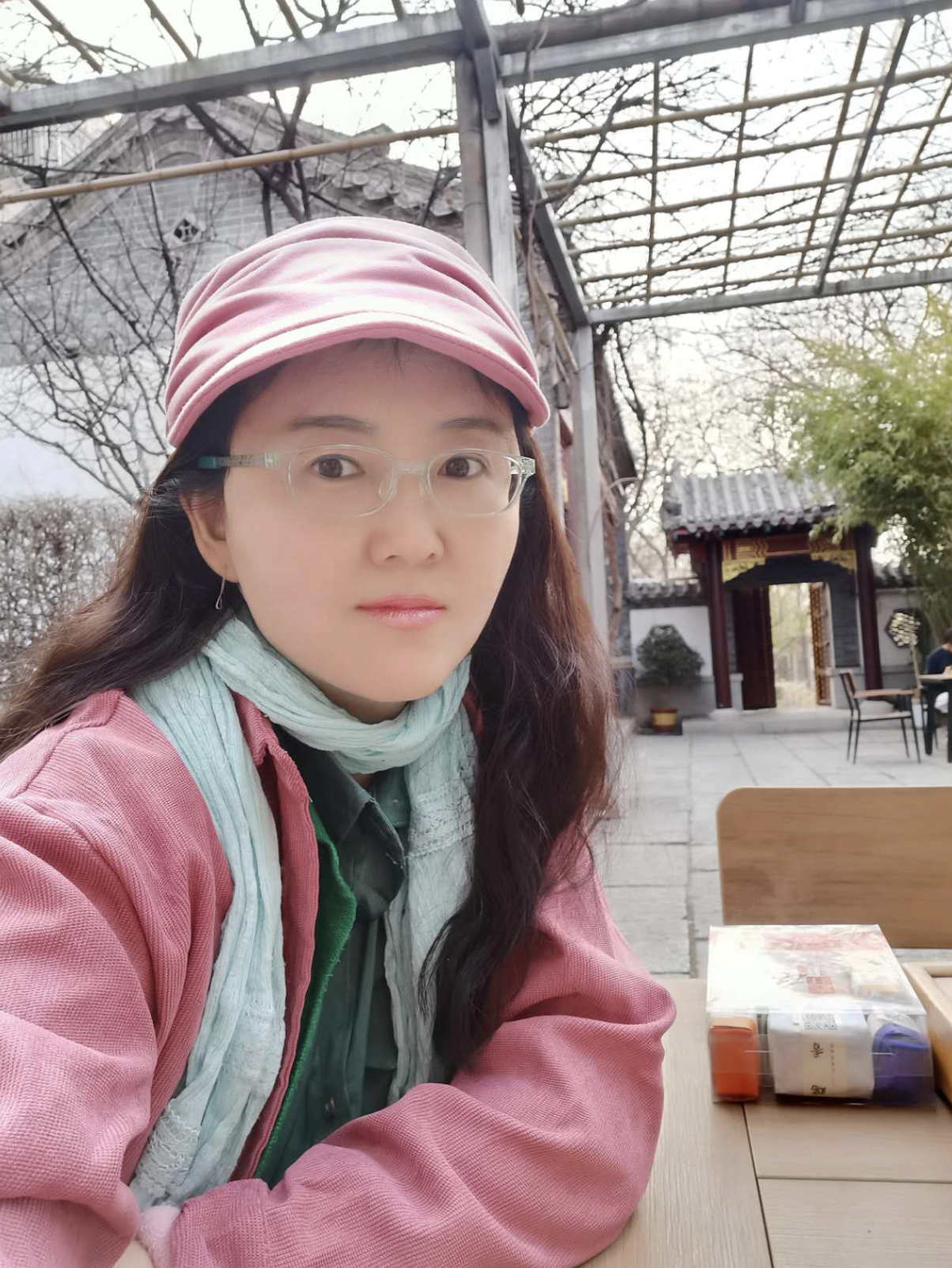
Dr. Liu Xiaoyi has been a full professor at the School of Literature, Shandong University, China, since 2017. She also serves on the Expert Committee of the Shandong Translators Association. Dr. Liu received her B.A. from the Department of Chinese Literature and Language, Shandong University, and her M.A. and Ph.D. degrees from the Department of East Asian Studies, University of Arizona. She has published two English works, eight Chinese monographs, 40 CSSCI and English articles, and translated prolifically. Her 2010 dissertation on the material and cultural history of the Ming Dynasty, “Clothing, Food, and Travel: Ming Material Culture as Reflected in Xingshi Yinyuan Zhuan,” based on the Chinese magnum opus “Xingshi Yinyuan Zhuan,” later yielded two cognominal monographs, the Chinese version in 2019 and the English one in 2023. Addressing three of the “four major concerns of the people’s livelihoods,” the research frequents economic dimensions and probes the impact that Ming politics had on the ethos and social economy of the period; it sheds significant light on folk customs, legal and religious practices, and the status of women, among other issues. The Chinese version, by Shanghai Classics Publishing House, received favorable reviews in China. The English version, by Routledge, aims to enrich the current Western scholarship, done primarily by Timothy Brook, Craig Clunas, and Glen Dudbridge, on Ming material culture. Dr. Liu’s other research interests include Chinese lyrical writing, translation, and Chiang Kai-shek studies.
Sponsored by the Chinese and Japanese Department and co-sponsored by the Anthropology Department, Asian Studies Program, International Studies Program, and the Office of the Dean of the Faculty.
This event is free and open to the public.