
Time Out Grant Recipient to Explore Trauma and Journalism
As an award-winning journalist, cinematographer, producer, and director, Gilad Thaler '13 has spent his career bearing witness to some of the world’s most devastating events. He has documented violence, disasters, tragedies, and global crises, moving from one breaking news story to the next. But as the years went on, Thaler began to recognize what he describes as a common thread among them: the story of trauma.
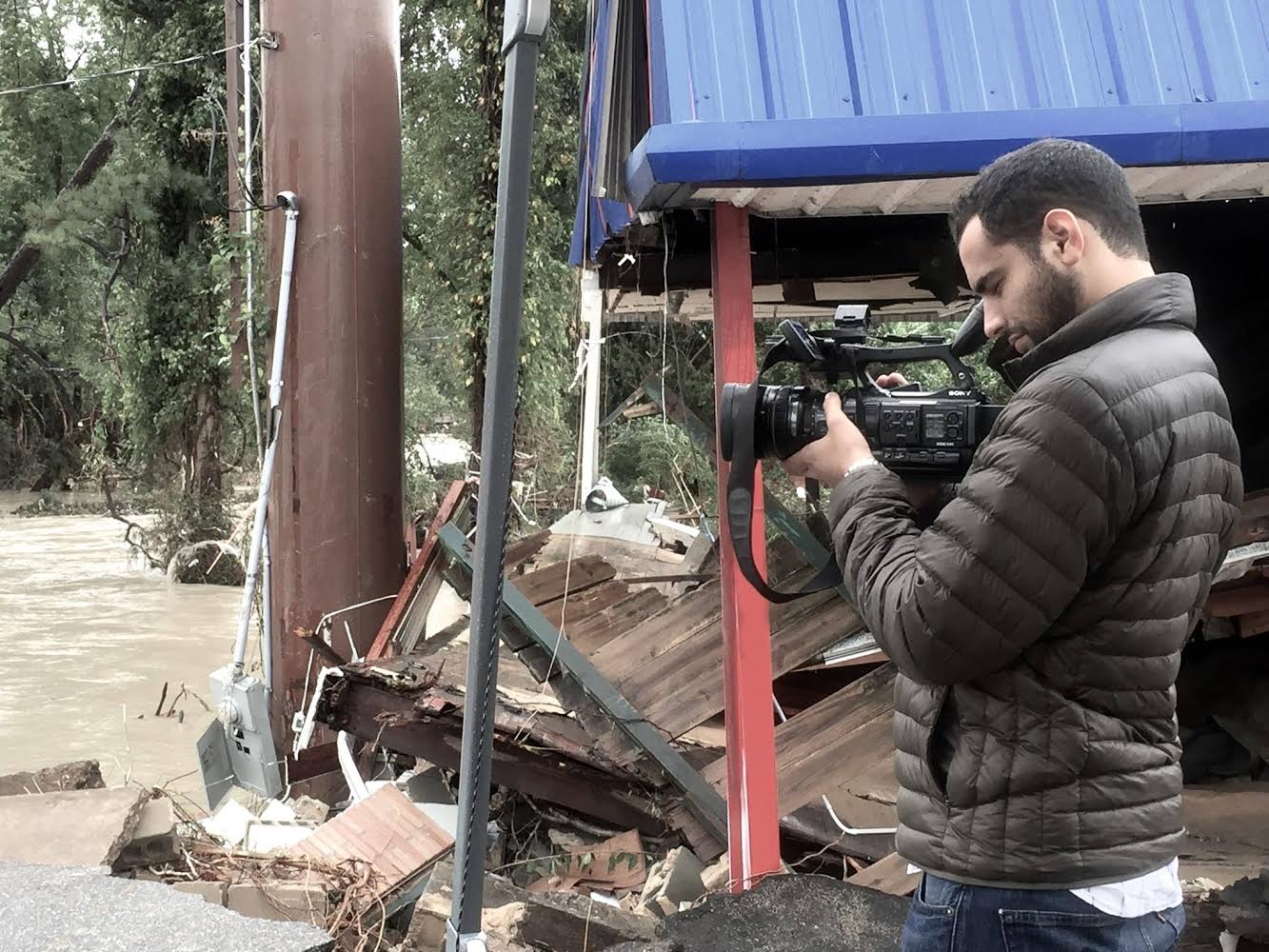
Thaler’s assignments have taken him to the sites of the mass shootings at Parkland and Pulse nightclub; a hospital during the early days of the COVID-19 pandemic; into cartel territory; and into the skies with hurricane hunters. Now, he will tackle a project that will require him to turn the camera on himself. His Time Out Grant project will explore the relationship between journalism, trauma, and PTSD. The Time Out Grant, established by an anonymous alum in 1998, is meant to inspire Vassar alums to pursue an original, bold interest, project, or business that could innovate the world around them.
Thaler will work on a documentary project investigating how journalists experience and process emotional distress in the course of their work. He is currently in what he calls “pre-production,” recording therapy sessions, combing through his personal video archive, and researching the science of trauma. He hopes the film will contribute to conversations about mental health in journalism and explore how journalists can navigate the psychological impact of challenging assignments.
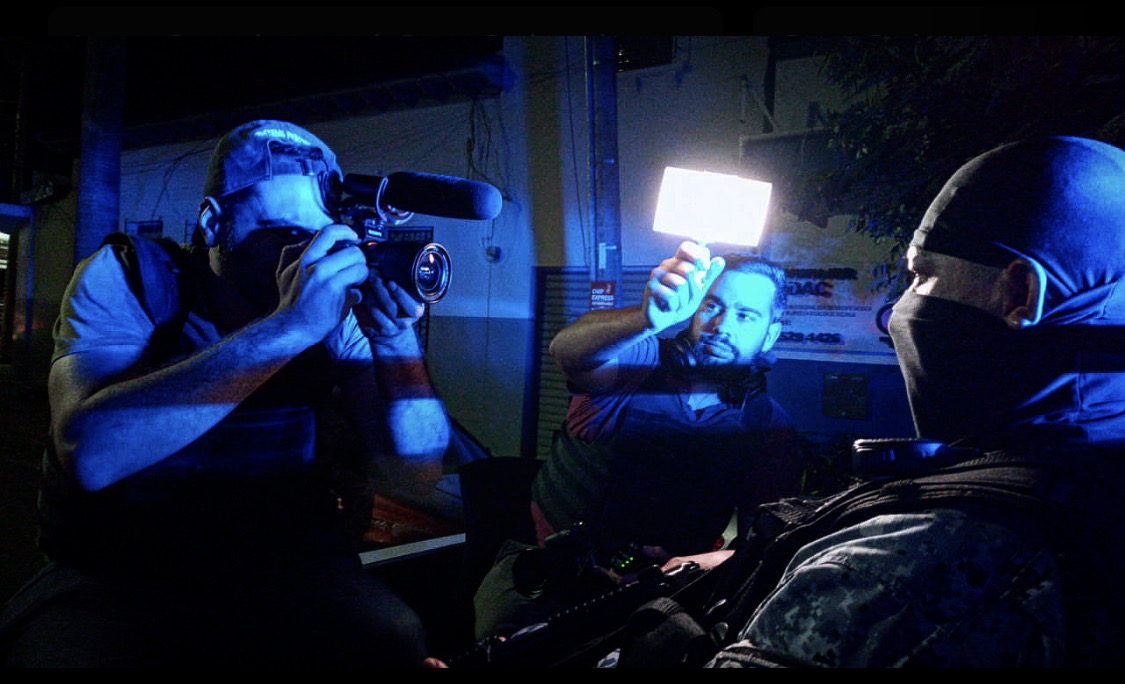
“I’ve put my body on the line working on projects where there’s danger,” he said. “For whatever reason, that is much more of a comfort zone than doing something like this.”
About a year into the COVID pandemic, while reporting on the mental health of first responders Thaler met a nurse whose son, an EMT, had died by suicide. As Thaler listened to her share her son’s experience with PTSD, he recognized something familiar: he was experiencing many of the same symptoms himself.
The very next day, he reached out for a therapist and soon after started therapy. He has made progress, he said, but there have also been setbacks—particularly as his work continued to take him into some of the world’s most distressing stories.
While covering the Israel-Hamas War, Thaler combed through cellphone and GoPro footage from the October 7, 2023 attack at the Nova Music Festival, watching the terror unfold through survivors’ eyes. He has also reviewed videos coming out of Gaza and interviewed people whose lives have been upended by the war. His documentary coverage resulted in a 2024 Peabody Award and an Emmy nomination for Vice News’ Surviving Nova.
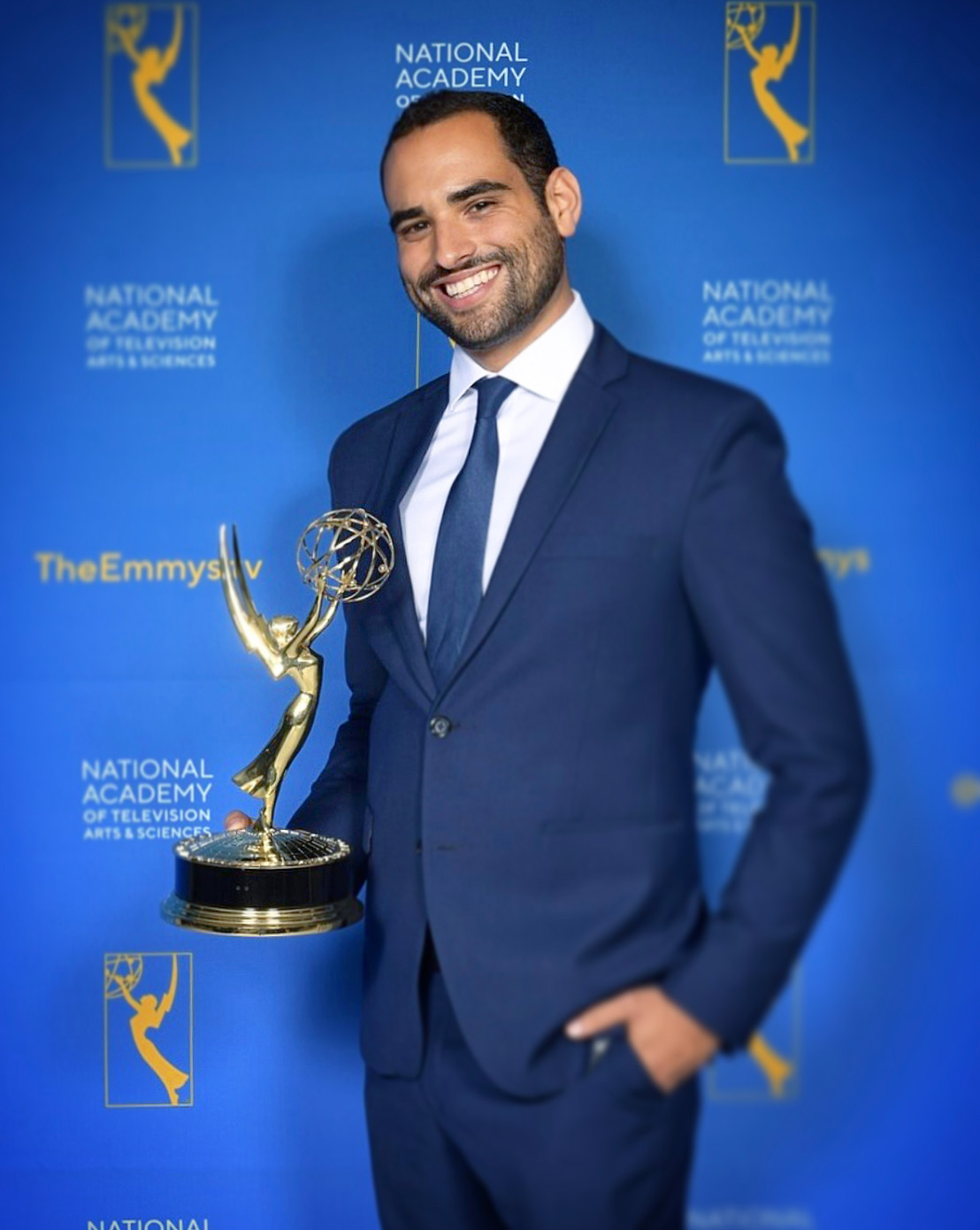
“I have this relationship with depression and trauma that feels like a dance at times,” Thaler said. “Continuing to report on these stories is very important to me, but I also have to take care of myself and take care of my community and find ways to navigate that.”
His interest in documentary storytelling began at Vassar, where he studied film and political science. For his senior thesis, he created a short documentary on Indian Point Energy Center in Buchanan, New York, exploring nuclear energy and the local activism around the facility.
After graduating, he went on to work in network newsrooms as a general assignment producer covering everything from snowstorms to some of the most tragic moments in recent history. It was when he was covering another health-related story—this one about cancer pharmaceuticals—where he discovered another thread that would eventually lead to his Time Out Grant project.
The story centered on a woman who had lost her husband to esophageal cancer, the same disease that had killed Thaler’s father. Her children were about the same age as Thaler and his brother had been when their father died at 41; it’s also where his exposure to trauma began.
During an interview at the husband’s grave, Thaler noticed something that gave him pause: the man’s Hebrew name, “Chayim,” was the same as his father’s.
“I started to see trends and patterns and felt like there was a greater story to tell,” he said, “My lived experience was really tying these different threads together and seeing that these are all part of a larger story of trauma.”
Through the documentary project, Thaler hopes to better understand those connections and explore what they might mean for journalists who cover some of the world’s most difficult stories.
Funded by an anonymous alum, the Time Out Grant provides an alum 35 years and older with $150,000 to pursue a dream project. The last Time Out Grant was awarded in 2024 to Samantha Orient ’05, who developed an interactive learning tool related to portable water pumps used by wildland firefighters.
The next Time Out Grant will be awarded in spring 2028. Applications will open in the fall/winter 2027. Visit vassar.edu/alums/timeout for more information.