First-Year Common Reading Author Kali Fajardo-Anstine Explores the Complex Lives of Latinas of Indigenous Descent
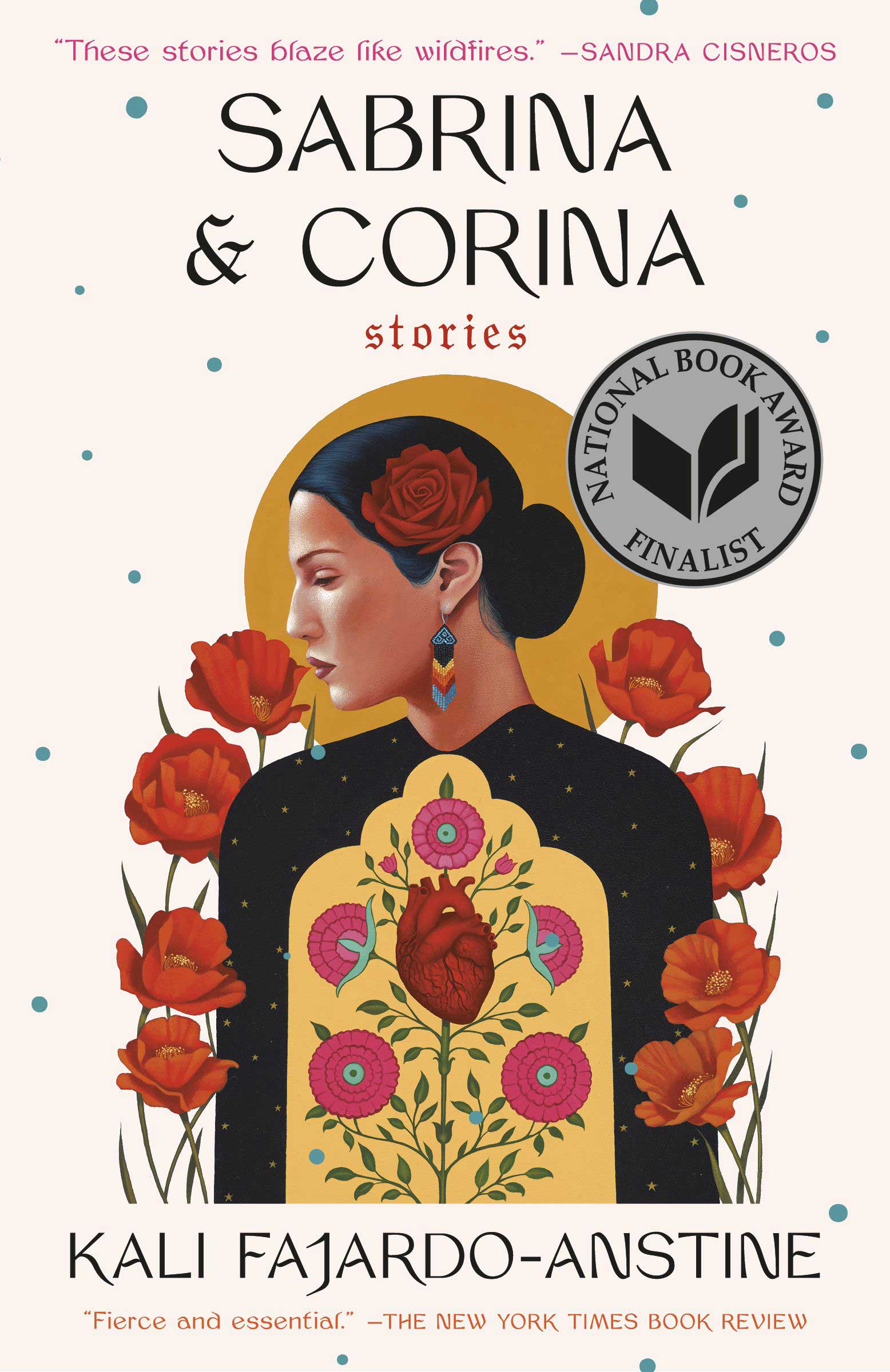
On a chilly January evening, eager Vassar students and faculty filed into the Villard Room to hear from writer Kali Fajardo-Anstine, the 2026 William A. Starr Lecturer. Fajardo-Anstine is the author of Sabrina & Corina, a short story collection selected as the Common Reading book for incoming first-year students.
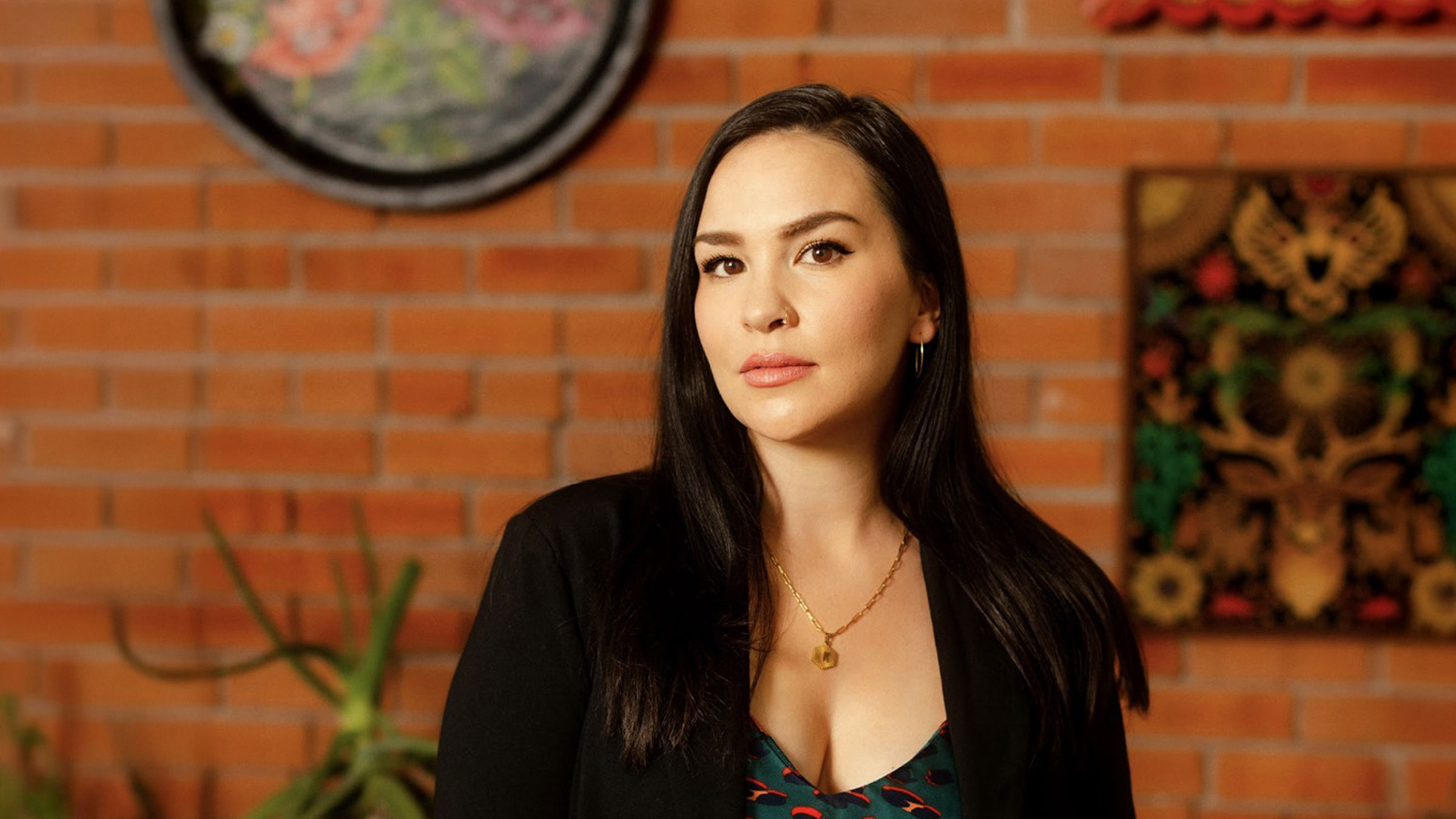
Dean of First-Year Students Mary Ellen Czesak introduced the lecture, emphasizing the importance of the Common Reading program in facilitating literary discourse and dialogue among students. Fajardo-Anstine agreed. “Reading is pretty solitary, unless you’re in a book club or you join some sort of class,” she said, “so I love common reading programs because they take something that we all do by ourselves, and we bring it into this sort of spark of community.”
The 2026 Starr Lecturer identifies as a mixed-race Chicana woman with Filipino, Indigenous, and Jewish ancestry. Her unique identity led her to question exclusionary narratives in history textbooks and to write the stories in Sabrina & Corina, which delve into the complex lives of Latina women of Indigenous descent. “I started this book writing from the place that my ancestors come from, writing from the place that I come from,” recalled Fajardo-Anstine. “And I wasn’t sure if anyone anywhere else in the world would understand, but I’ve been privileged enough to hear from readers that they do understand and they can picture it. I think that is really the power of literature—that even no matter how dissimilar we are, literature can find a common thread in our lives.”
The author shared several stories about her upbringing in Denver, Colorado, and her unique path—growing up with lawyer parents in a house full of books, learning how to read from her older sister, poring over The Chronicles of Narnia in social studies classes—all of which led Fajardo-Anstine to discover a love of all things literature. She recalled a turning point during her senior year of high school: the moment her AP Literature teacher told her to drop out after skipping too many classes. Fajardo-Anstine later earned her GED and began her studies at Metropolitan State University of Denver, where she earned a BA in English and Chicano/a Studies.
“If it was not for my love of books and this desire I had to become a writer, I don’t know what would have happened to me that day—[whether] I would have dropped out and not continued on with my schooling,” she said. “It’s possible that the whole trajectory of my life would have changed, and I would not be standing before you. I would not have written these books. And simply put, I don’t know if I would be alive, because writing and reading gave me purpose, especially at a time when I desperately needed it.”
Fajardo-Anstine recognized a drive to represent the stories of her family and ancestors, stories that she had never learned about in her classes. Several of the stories in Sabrina & Corina are retellings of the ones the author heard from her relatives while growing up. For example, the short story “Sisters” is based on the true story of Fajardo-Anstine’s great aunt Doty, who was blinded in an act of violence by a man she dated. Fajardo-Anstine combined official, archival research with “unofficial knowledge,” which she described as “speaking to members of my family, trusting my intuition, and using the art form of fiction to portray the truth in the ways that I wanted to.”
The author also recalled finding a VHS tape of her mother interviewing her great-grandmother, who recalled harvesting sugar beets as a migrant worker. “After I was able to access her voice and hear these stories firsthand, I began to trust a lot more of the oral tradition of my family, and I was able to use that trust to build up the world of Sabrina & Corina.”
Fajardo-Anstine ended her lecture with an anecdote about creating the character of Ana, the ever-questioning student in the book’s final story, “Ghost Sickness,” saying she wished she’d been like her growing up. Then she quoted novelist Robert Penn Warren: “You live through that little piece of time that is yours, but that piece of time is not only your [own] life, it is the summing-up of all the other lives that are simultaneous with yours…what you are is an expression of history.”
The lecture was sponsored by the Office of the Dean of the Faculty, The First-Year Writing Seminar Program, and the Dean of First-Year Students.