
A Woman of Influence: Sarah Josepha Hale
In the early- to mid-19th century, most women had little influence on education and society at large. Luckily for Vassar, Sarah Josepha Hale wasn’t like most women. She had a significant impact on shaping the school as an advisor to founder Matthew Vassar.
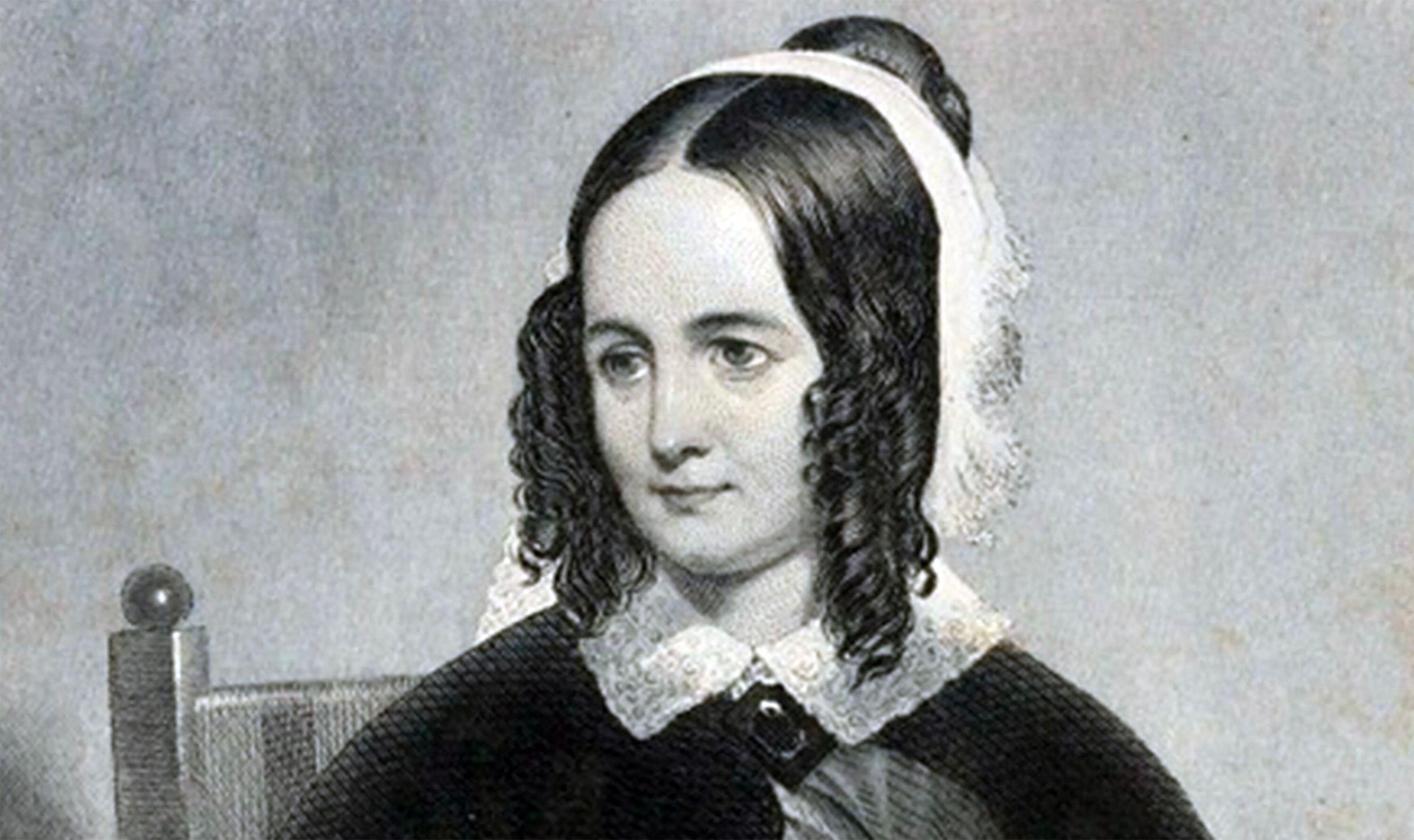
Photo Credit: Alamy-Pictorial Press Ltd
Advocate for Education
Her confidence was shaped by her own education and her role as editor of the country’s largest women’s magazine. Raised by parents who believed in educational equity, Hale—homeschooled by her Dartmouth-educated brother and her mother—received a much more extensive education than most young women of the time. And Hale saw the value in it. She taught in a private school but advocated for young women being able to teach in the public school system. After marrying David Hale, she ensured their five children received the same level of education she had.
Hale’s importance in the educational field increased significantly after she became a widow at the young age of 34.
Because David was a Mason, the local Masonic Lodge set Sarah up in a millinery business. Turns out that she was a terrible hatmaker but a good writer. So they helped her publish her first book of verse, The Genius of Oblivion: And Other Original Poems in 1823.
By the time she published her earliest novel, Northwood: Life North and South, in 1827—one of the first to address slavery honestly and predated Uncle Tom’s Cabin by Harriett Beecher Stowe by 25 years—Hale’s literary prowess had grown.
Writer, Poet, and Editress
That same year, Hale became editress (the title she preferred over editor) of a new publication called Ladies’ Magazine. Ten years later, when it was bought by Louis A. Godey and renamed Godey’s Lady’s Book, Hale remained at the helm until she retired in 1877.
By the 1860s, the readership had grown to more than 150,000. As a result, Hale became even more of a societal influence. Though her columns and opinion pieces, she continued to advocate for the education of young women.
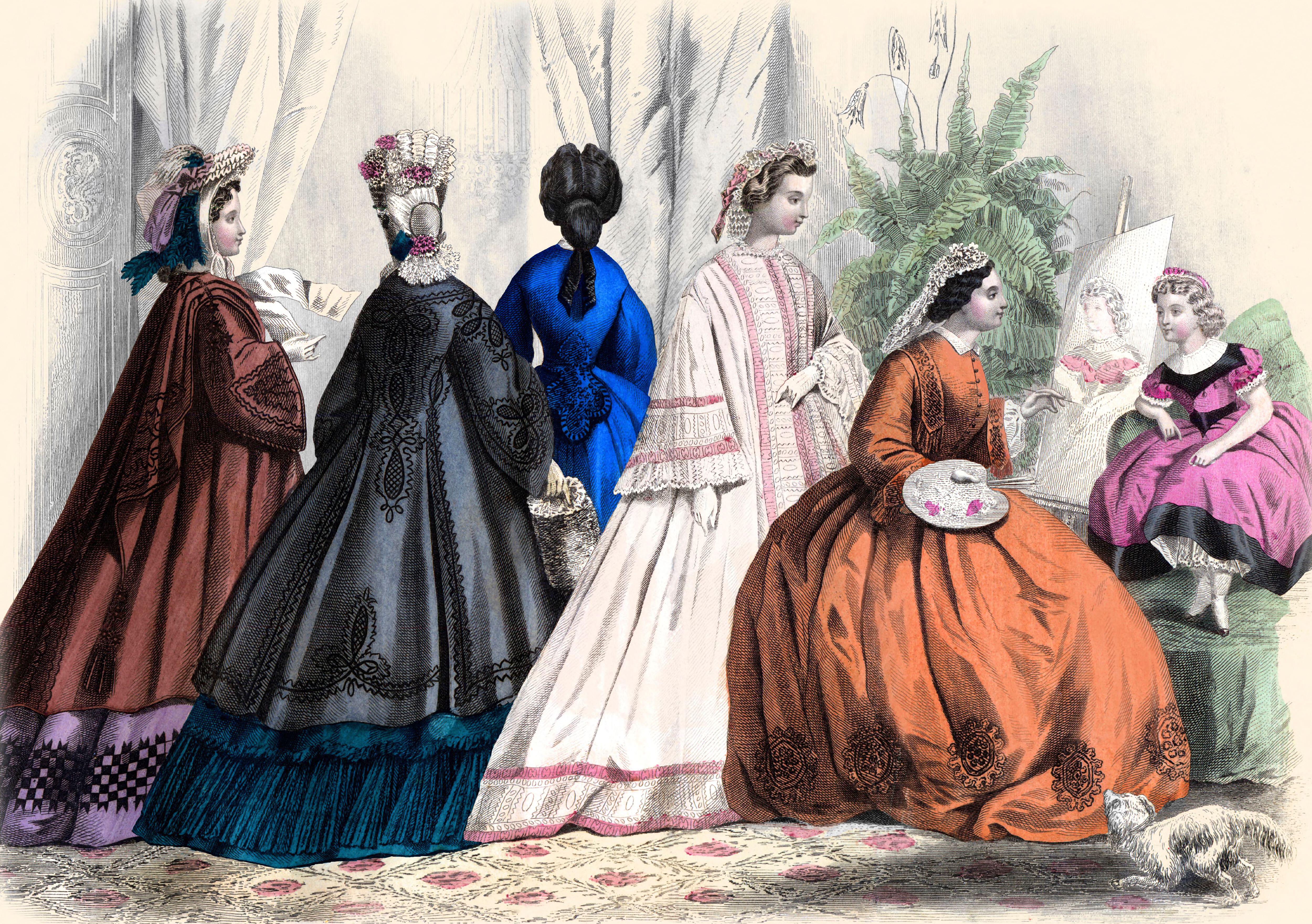
Photo credit: Alamy-PhotoStock-Israel
Hale’s Influence on Vassar
According to the Vassar Encyclopedia, Hale first wrote to Matthew Vassar on April 30, 1860, expressing interest in his plans for his college for young women. She sought to learn more and alert readers to it. This letter was the first in a line of regular correspondence between Hale and Vassar that continued for the next eight years.
In that initial letter, Hale explained that she had long believed that young women should be educated, and she enclosed several of her editorials on the subject. She would go on to use Godey’s Lady’s Book to keep her readers up-to-date about plans for the College.
Not one to hide her opinions, Hale told Vassar she opposed his and the Board of Trustees’ proposals for student uniforms, a three-month vacation from December to April, and the original name, Vassar Female College. She preferred Vassar College for Young Women.
“I know you are seeking to elevate womanhood,” she wrote to Vassar. “To do this, [a] woman must have her proper title . . . and not be clogged with the false and foolish slang phrases which reduce her to the level of animality.”
Citing the Bible, Hale explained to Vassar that the word “female” was inappropriate, as it was used to refer to animals as opposed to humans. “Vassar College,” she suggested, was “a noble name, definite, delicate, and dignified.”
After writing that Vassar should present his wishes—which were actually hers—at the next Trustee meeting, Hale ended her letter saying, “Pray do not, my good friend, disappoint me.—It is not for myself that I expect any benefit.—I plead for the good of Vassar College, for the honor of womanhood and for the glory of God.”
While Vassar agreed with Hale, the Trustees did not. As a result, Vassar put in his will that he would leave a portion of his estate to Vassar, so the Trustees would have to change the name if they wanted the gift. They did.
Although Hale and Vassar planned to meet in person, they never did. Nevertheless, the two were friends, and Vassar turned to her for advice on everything from finances to faculty appointments.
Throughout her tenure as editor of the magazine, she publicized Vassar as extensively as possible. In Godey’s Lady’s Book, Hale often included important information about Vassar and its place in women’s education. At times, she advertised the College for free; at others, she reduced the ad rate by half, from $200 per page to $100.