
Going to the SourceOpportunities to Co-create Institutional and Individual Character
November 9, 2026
Convened by: Wendy Maragh Taylor, Associate Dean of the College for Student Growth and Engagement; Chris Johnson, Assistant Dean for Grants Development & Administration; Leora Gansworth, Assistant Professor of Native American Studies; Payton Small, Assistant Professor of Psychological Sciences.

From its earliest years, Vassar has encouraged students to learn by “going to the source.” This signature program will bring participants together to consider two guiding questions:
- How might we foreground “going to the source” as central to the definition, development, and nurturing of institutional and individual character within contemporary learning institutions?
- In this fractured time, when AI and social media offer both opportunities and threats, could “going to the source” provide a helpful lens and way to mitigate distrust and discord?
Program Schedule
8:30 a.m.
Check-in, registration, and continental breakfast at The Heartwood
9:00–10:30 a.m.
Keynote Speaker, Dr. Anton Treuer
Going to the Source: Opportunities to Co-create Institutional and Individual Character
10:30–10:45 a.m.
Break
10:45 a.m.–12:00 p.m.
Panel Presentation
Teaching and Learning in a Fractured Time
12:00–1:15 p.m.
Working Lunch
Engaging with Our Community
1:30–2:45 p.m.
Roundtable Discussions
Going to the Sources
2:45–3:45 p.m.
Conclusion
Lessons Learned and Paths Forward
Keynote
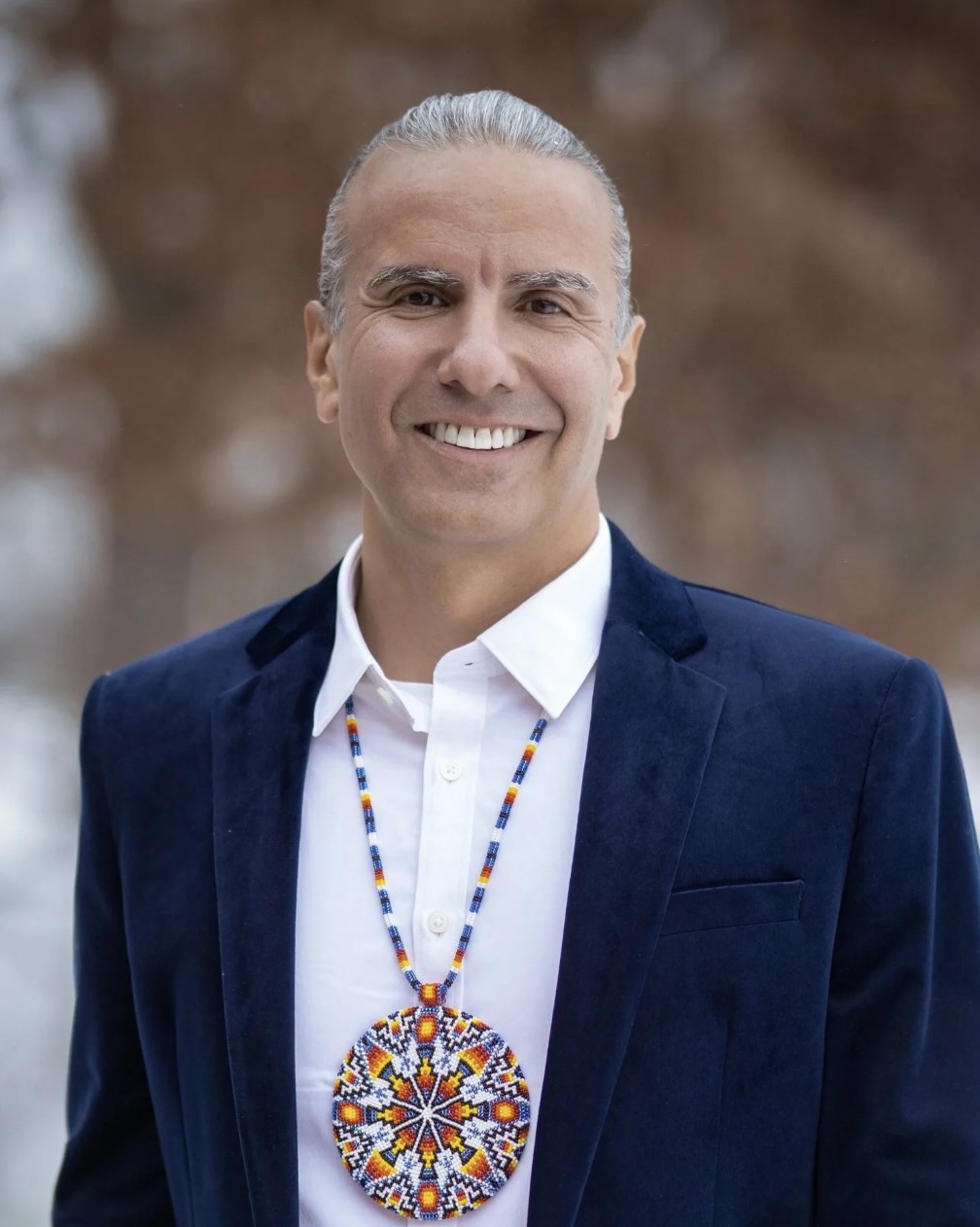
Dr. Anton Treuer
Professor of Ojibwe at Bemidji State University and Author
Anton Treuer (pronounced troy-er) has a B.A. from Princeton University and a M.A. and Ph.D. from the University of Minnesota. Treuer is a member of the governing boards for the Minnesota State Historical Society and the MacArthur Foundation Native Self-Determination Advisory Council and has received many prestigious awards and fellowships. In 2018, he was named Guardian of Culture and Lifeways by the Association of Tribal Archives, Libraries, and Museums. He is building an Ojibwe teacher training program at Bemidji State University and his equity, education, and cultural work has put him on a path of service around the nation and the world.
Panelists and Roundtable Leaders
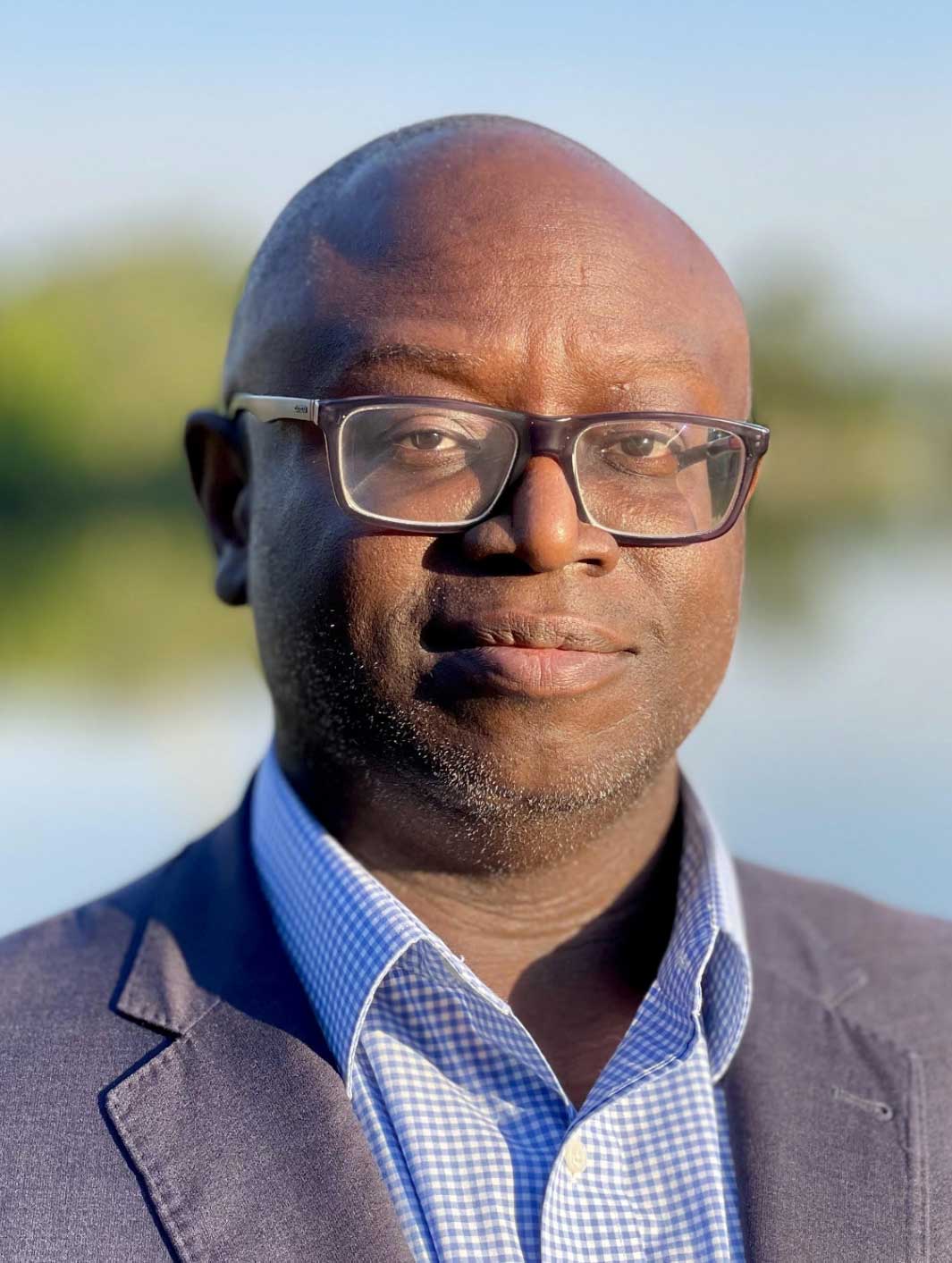
Nicholas Alton Lewis
Director of the Ralph Ellison Center, Bard College
The Ellison Center brings together artists and intellectuals who address substantive issues of our time and cultivate the intellectual and interpersonal development of students. Lewis also serves as Associate Vice President for Academic Initiatives and Associate Dean of the College, pursuing grant-funded initiatives to cultivate the academic and intellectual culture of the College. He teaches in the Bard Conservatory of Music, the First-Year Seminar, and the Language and Thinking program. For 30 years, Nicholas has also maintained an active music career. He is the clarinetist and co-founder of the BLAK-New Blues Ensemble at Duke University, former bass clarinetist of the Richmond Symphony Orchestra, and former principal clarinetist of the Williamsburg Symphony. He has performed with the Akron, Pittsburgh, Virginia, and Westmorland Symphonies; the Baltimore Opera Orchestra; and the Brevard, Gateways, Sphinx, and Pittsburgh New Music Festival Orchestras.

Ashanti Shih
Assistant Professor of History, Vassar
Asanti’s work focuses on race, colonial science, and the environment in the twentieth-century Pacific and U.S. West. Her first book, Invasive Ecologies: Settler Colonial Science and Preservation in Hawai‘i's National Parks, is forthcoming with the University of Washington Press in 2027. She has also published in the Pacific Historical Review, History of Science, Historical Studies in the Natural Sciences, Nature Unfurled: Asian American Environmental Histories (University of Washington Press, 2024), and Plant Humanities (Harvard University Press, 2026).

Payton Small
Assistant Professor of Psychological Science, Vassar
Payton’s research examines how race, identity, and beliefs about inequality shape judgment and decision-making across educational and social contexts. Small’s current research, supported by the Russell Sage Foundation, examines how race is considered and communicated in college admissions in the aftermath of the Supreme Court’s 2023 decision restricting the use of race-conscious admissions. His broader work has focused on racial colorblindness, beliefs about meritocracy and educational inequality, and the psychological consequences of racial and ethnic discrimination.
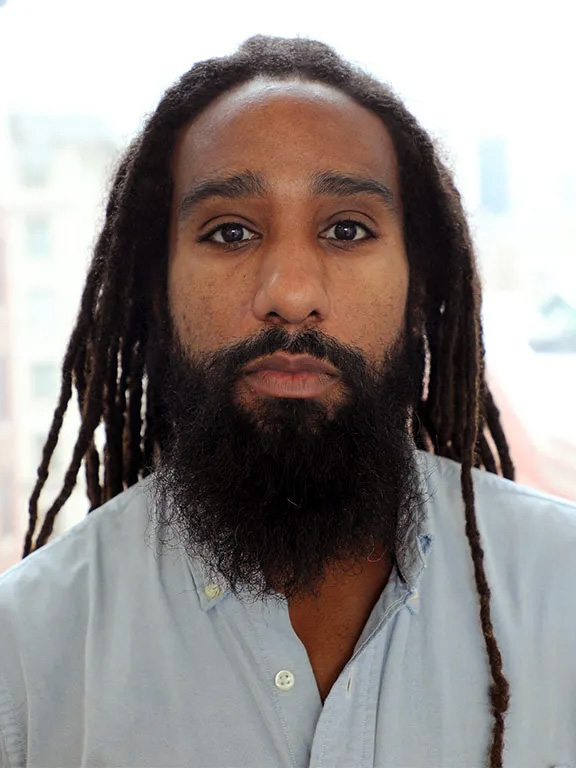
James G. Cantres
Associate Professor of Africana, Puerto Rican, and Latino Studies, Hunter College; also affiliated with the Department of History at the Graduate Center of the City University of New York
James’s book Blackening Britain: Caribbean Radicalism from Windrush to Decolonization (Rowman & Littlefield, 2020) details social and political histories of community formation, race consciousness, and radical intellectual activism among Caribbean subject-citizens in Britain following World War II through the period of decolonization in the Caribbean and Africa. A historian of the African diaspora, he is currently researching twentieth-century Caribbean non-belongers, foregrounding the power of their narratives in shaping historical memory and influencing the Black worlds they made from Belmont to Brixton to Brooklyn.
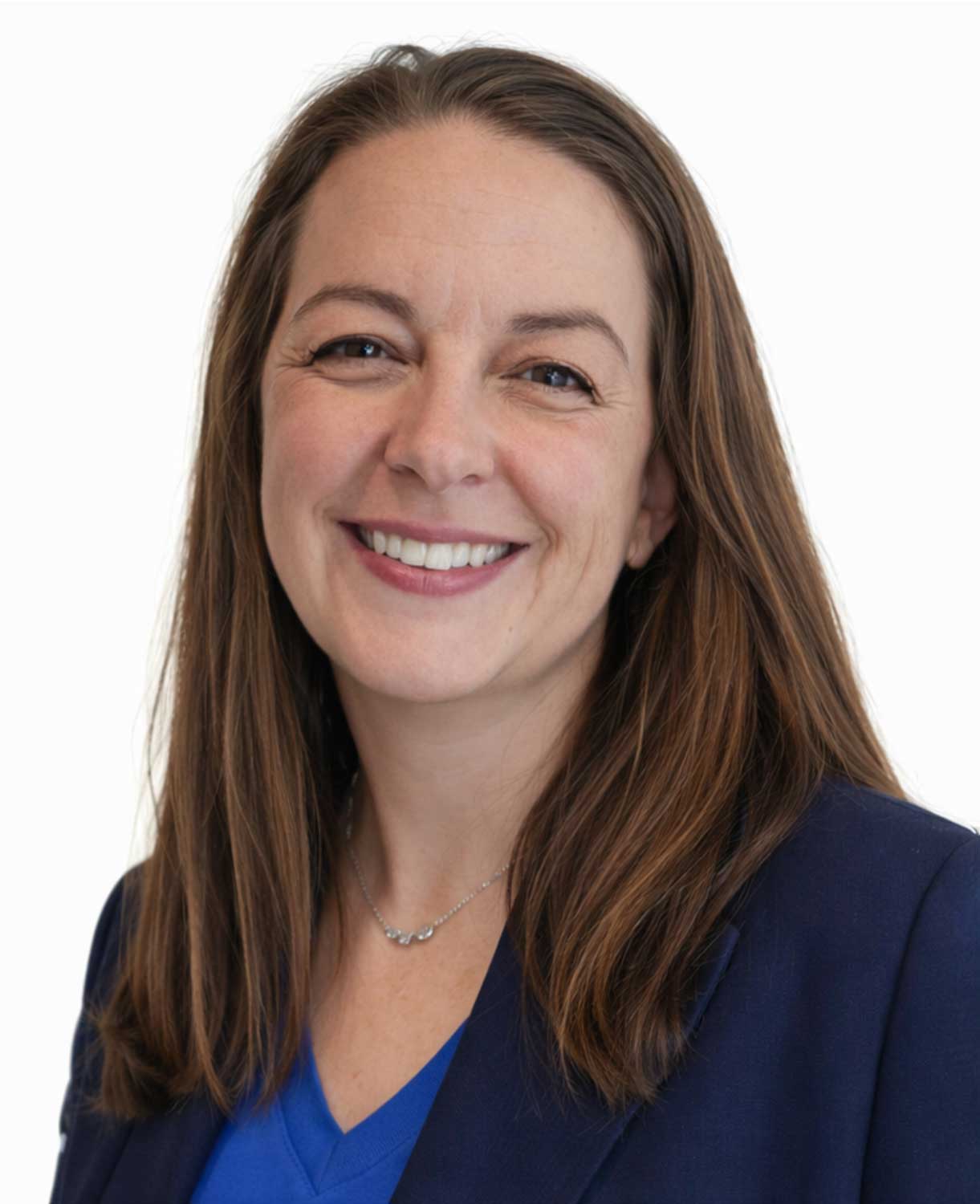
Jill Roche Gomez
Inaugural Executive Director of the Poughkeepsie Children’s Cabinet
Poughkeepsie Children’s Cabinet is a cradle-to-career initiative uniting government, schools, nonprofits, businesses, philanthropy, families, and youth to build pathways to economic mobility. Gomez leads the Cabinet’s 10-year strategic plan, advancing fundraising, data-driven planning, and cross-sector collaboration to connect over 5,000 young people and their families with opportunities. Jill previously served as Executive Director of the Hunts Point Alliance for Children in the South Bronx, tripling its budget and forging partnerships that improved educational outcomes. She has also worked with Education Pioneers, state education departments, and the New York State Courts. Jill holds a JD from the University of Pittsburgh and an LLM in International Law & Human Rights from Maastricht University. She is part of the inaugural cohort of Cradle to Career Fellows (’26) through the EdRedesign Lab at the Harvard Graduate School of Education.
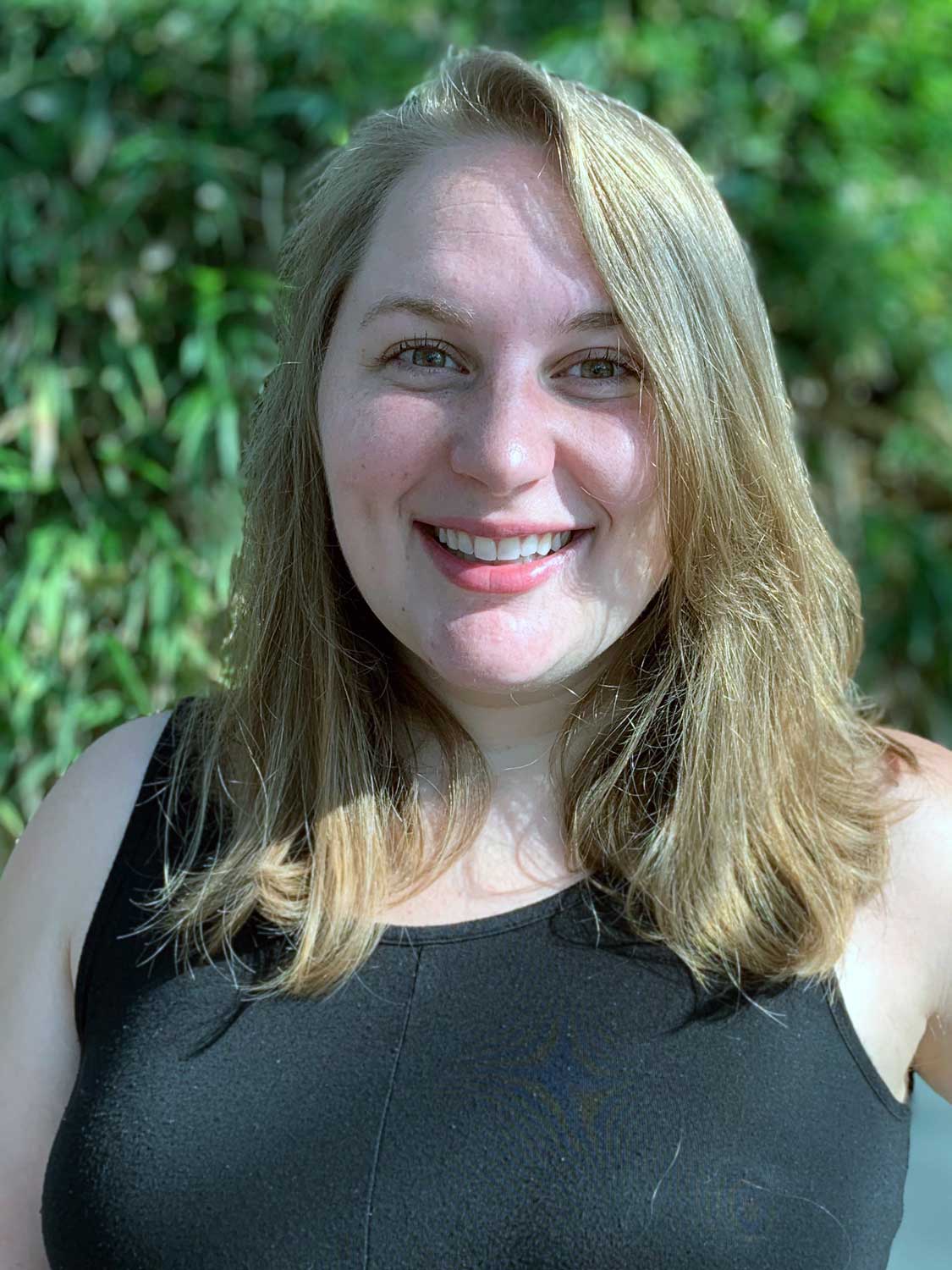
Christine Stuart
Director of the Women's Center, Vassar
Christine oversees the Leadership, Education, and Development (LEAD) Program. In this role, she has developed unique leader tracks for students: Concepts of Leadership, Leading in Inclusive Environments, Personal Development, and Women and Leadership Development. She has extensive experience in residential life, living-learning communities, student affairs, first-year engagement, and transfer programs.
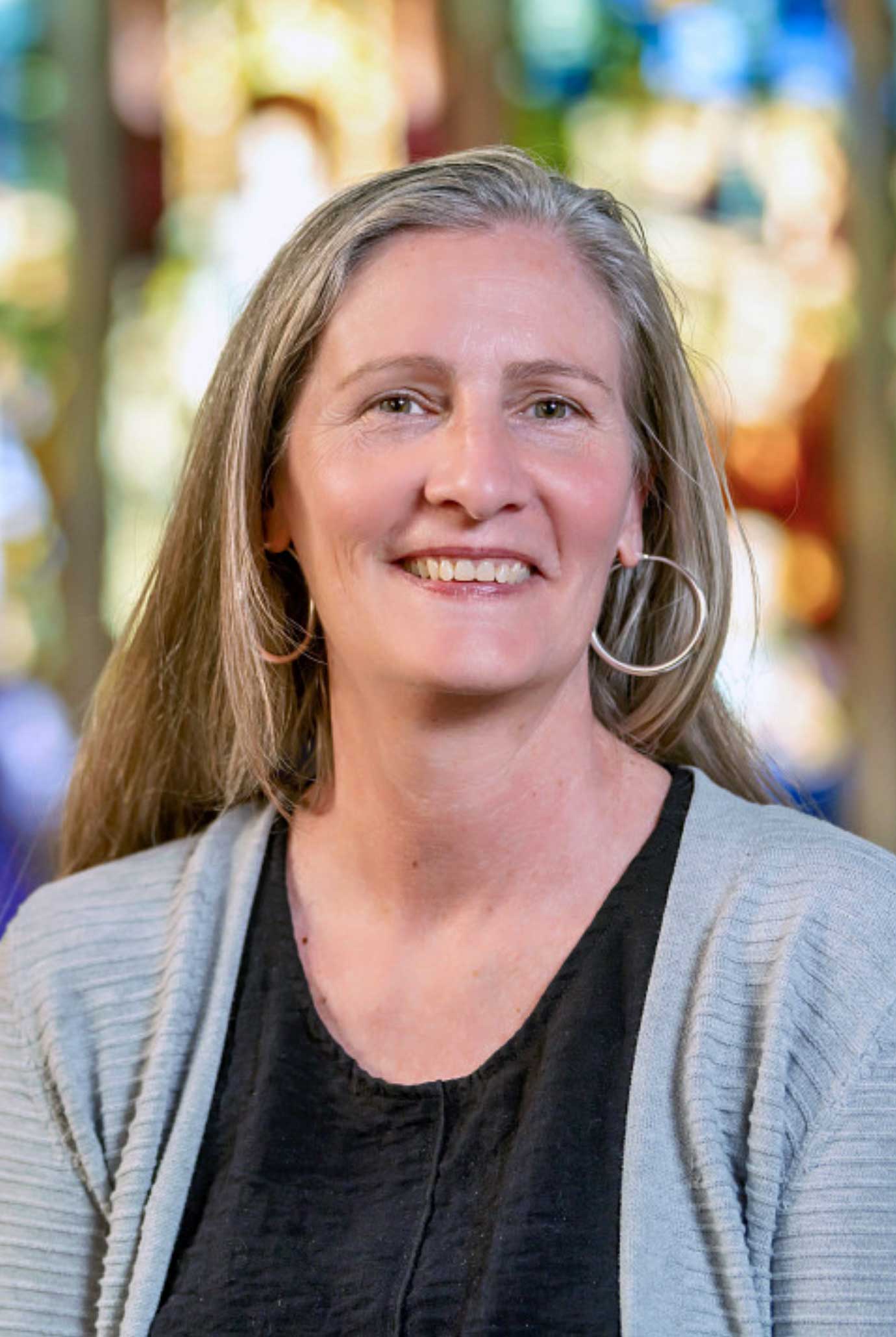
Charlotte Gullick
Director of Exploring Transfer and Program Manager for the Office of International Services, Vassar
Charlotte is a first-generation college graduate who holds an AA from Santa Rosa Junior College, a BA from the University of California, Santa Cruz, a MA from the University of California, Davis, and an MFA from the Institute of American Indian Arts. Prior to joining Vassar, she served as Department Chair of Creative Writing for 13 years at Austin Community College. She regularly publishes nonfiction and personal essays focused on social justice issues, identity, and health inequities.

Laura Haynes
Assistant Professor of Earth Science, Vassar
Laura is a biogeochemist who studies climate and ocean change in the past and present. She teaches classes on topics ranging from ancient Earth history to modern ocean-based climate solutions. Her research involves field campaigns in which she and students investigate the impacts of stressors, such as ocean plastics, on marine shell-building organisms.
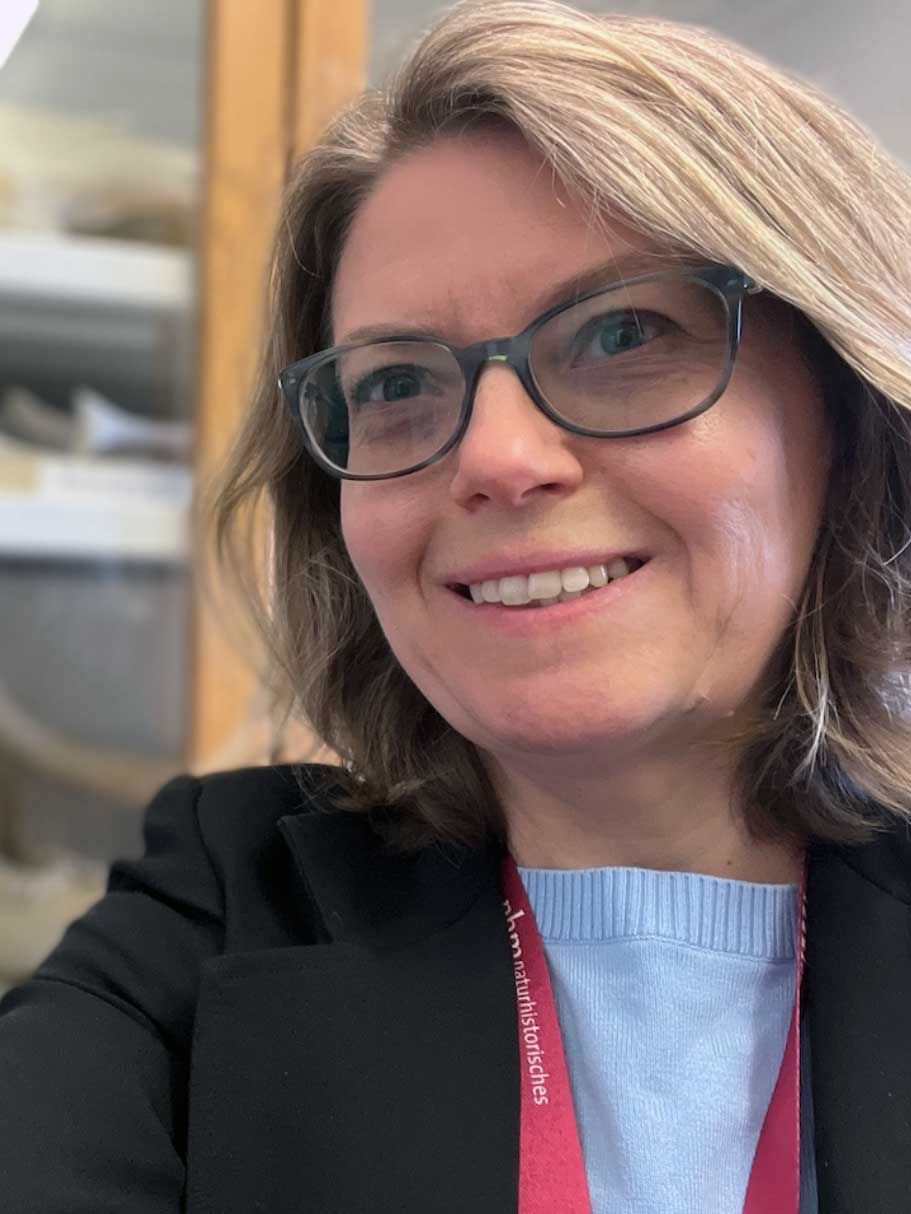
April M. Beisaw
Professor of Anthropology, Vassar
April teaches courses in archaeology, forensic anthropology, Native American culture, and museum studies. April’s 40 publications include the books The Archaeology of American Protests (University Press of Florida, 2025), Taking Our Water for the City: The Archaeology of New York City’s Watershed Communities (Berghahn Books, 2023), and Identifying and Interpreting Animal Bones: A Manual (Texas A&M University Press, 2013). In 2025, she was a U.S. Fulbright Scholar at the Natural History Museum, Vienna. There she began new research on the past, present, and future of wild animals, examining how certain species resist complete domestication by humans. What ties these projects together is the use of archaeological methods to document the long histories behind contemporary social issues.
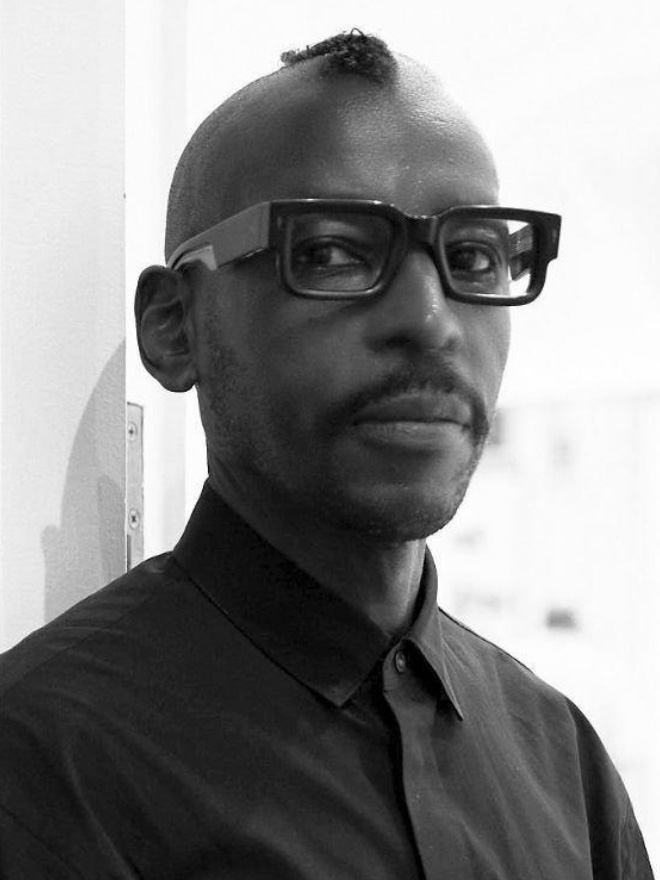
Mario Gooden
RA, BS, M.Arch, Cultural Practice Architect and Director of Mario Gooden Studio: Architecture + Design
Mario’s practice engages the cultural landscape and lies at the intersection of architecture, race, gender, sexuality, and technology. His work crosses the thresholds between design, writing, research, and performance. Gooden’s work has been exhibited nationally and internationally, including at the International Exhibition of Architecture Biennale in Venice; Architekturmuseum der TU Mūnchen in Munich; Het Nieuwe Instituut in Rotterdam (formerly the Netherlands Architecture Institute); Bauhaus Museum Weimar / Bauhaus-Universität Weimar; the American Academy in Rome; Storefront for Art and Architecture in New York; the National Building Museum in Washington, DC; and the Municipal Arts Society in New York. His work has also been featured in journals and publications including ARTFORUM International, Architect Magazine, Architectural Record, Metropolis, Wallpaper, Architecture & Urbanism (A+U), PIN-UP Magazine, and The New York Times.

Azra Dawood
Andrew W. Mellon Curator of Academic Programs at Vassar’s Frances Lehman Loeb Art Center
Azra is a historian, curator, and educator with a background in architectural history and practice. Her research engages topics of religion and secularism, modernization, migration and diaspora, sports culture, and anthropogenic change. Originally trained as an architect, Azra has worked at design firms and research-based practices in Karachi, Austin, and New York City. Later, she received a PhD in architectural history from MIT. Azra has taught at Bard College, Pratt Institute, and the University of Houston. Dawood has curated exhibitions including Water/Bodies: Sa’dia Rehman (2025, The Loeb), first there was a sea (2025, Twelve Gates Arts, Philadelphia), and City of Faith: Religion, Activism, and Urban Space (2022–2023, Museum of the City of New York). Her curatorial projects have been featured in The Washington Post, The New York Times, Hyperallergic, and Critical Times.
The programs and content presented at The Vassar Institute for the Liberal Arts do not necessarily represent the opinions of Vassar College or The Vassar Institute.
Join our mailing list! Sign up to get updates on programs and news from The Vassar Institute for the Liberal Arts.
The Vassar Institute for the Liberal Arts
165 College Avenue, Poughkeepsie, New York 12604