


History
For more than 150 years, plants and horticulture have been part of learning and life at Vassar.
Vassar’s greenhouse tradition began with the College’s earliest students. By 1868, students had formed a Floral Society that provided members with plots of land for ornamental gardening. Students also advocated for a conservatory where tropical plants could support the study of botany and be enjoyed by the broader College community.
The Eleanor Conservatory, Vassar’s first dedicated greenhouse, opened in 1886 behind Main Building. Its collection included rare plants donated by other institutions and members of the community. The conservatory provided specimens for botanical study while also offering students a place to experience plants from around the world.
As Vassar’s science programs grew, its greenhouse facilities evolved. New greenhouses were constructed and rebuilt over time to support academic work, the care of botanical collections, and the cultivation of plants for the campus grounds.
When Olmsted Hall of Biological Sciences opened in 1974, it included the greenhouse that remains in use today. The Olmsted Greenhouse continues this long history by supporting student research, hands-on learning, self-guided exploration, and opportunities for the Vassar community to connect with plants and the natural environment.
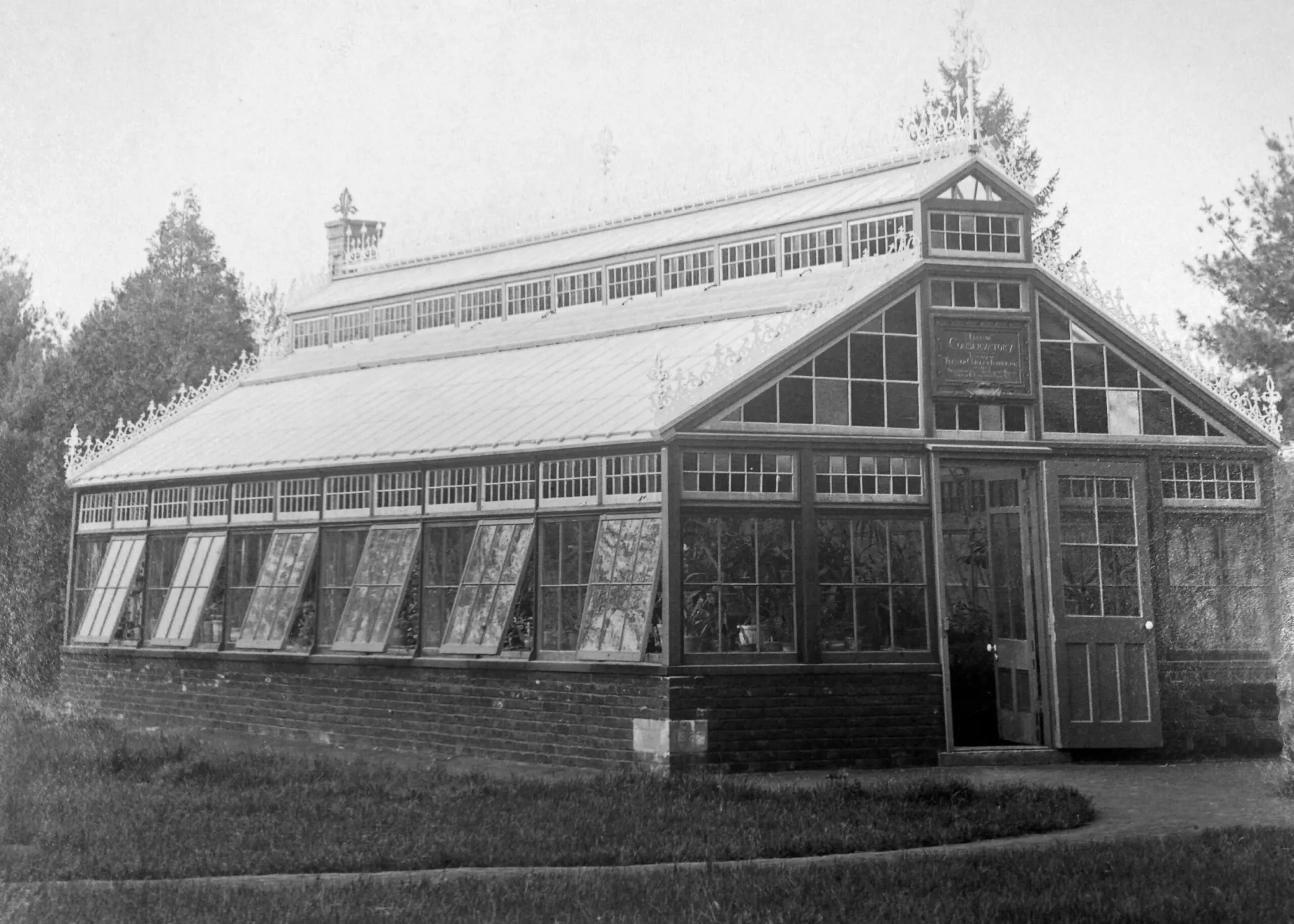
Eleanor Conservatory
Established 1886
Students and faculty were cited demanding a place to study horticulture—an important part of the curriculum at the time.
Funds donated by Poughkeepsie Businessman totaling $1,000 made building possible. This greenhouse was built behind Main Building and included 2 laboratories and 1 classroom.
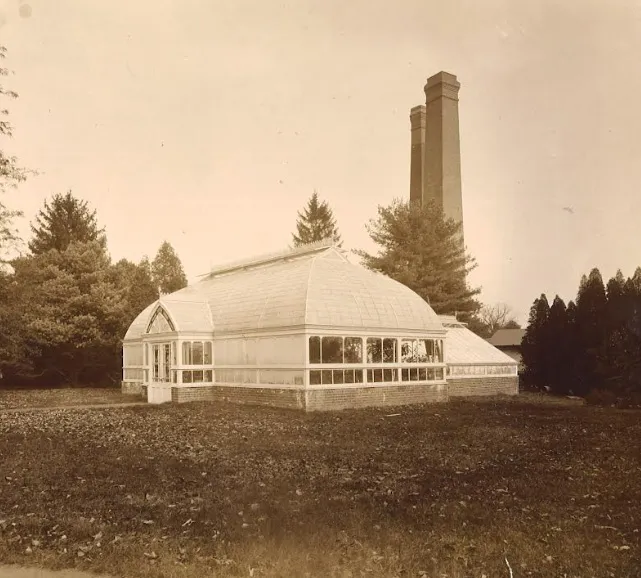
Skinner Greenhouse & Eleanor II
Early 1900s
Originally called Vassar Greenhouse or College Greenhouse, this facility was established to grow food for the dining hall and flowers for campus.
Around this same time, the Eleanor Conservatory was rebuilt due to structural issues. An addition was built to increase space and a unique Victorian style roof was added.
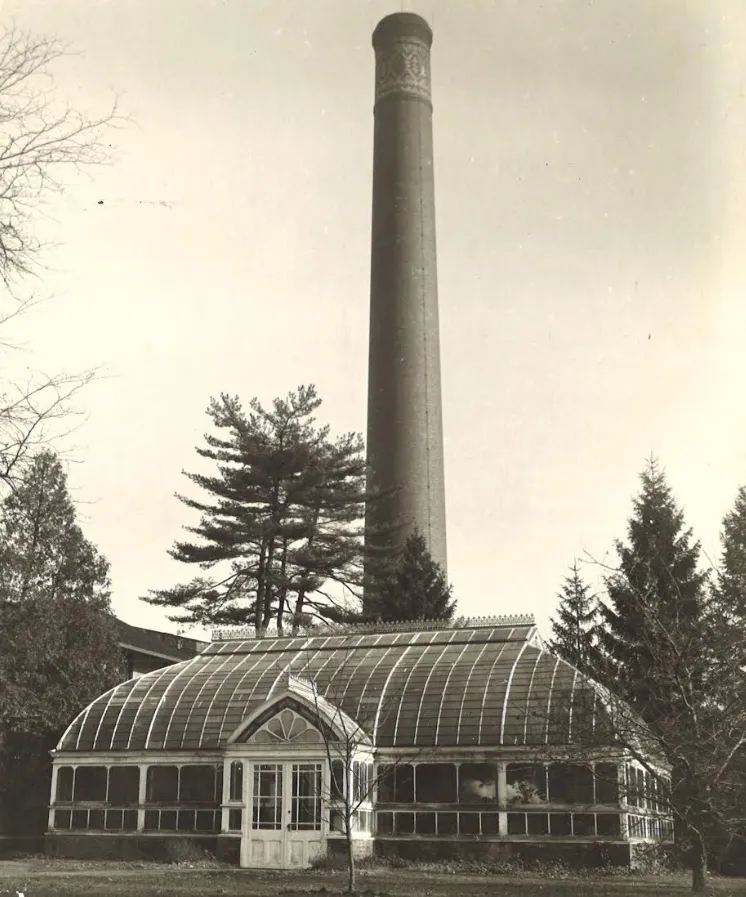
Eleanor III
Established 1940
After a fire, the Eleanor Conservatory was rebuilt for the third and final time. This helped to expand the options of botany electives. The new conservatory housed 7 large work tables with different types of lights, along with a plant pathology lab.
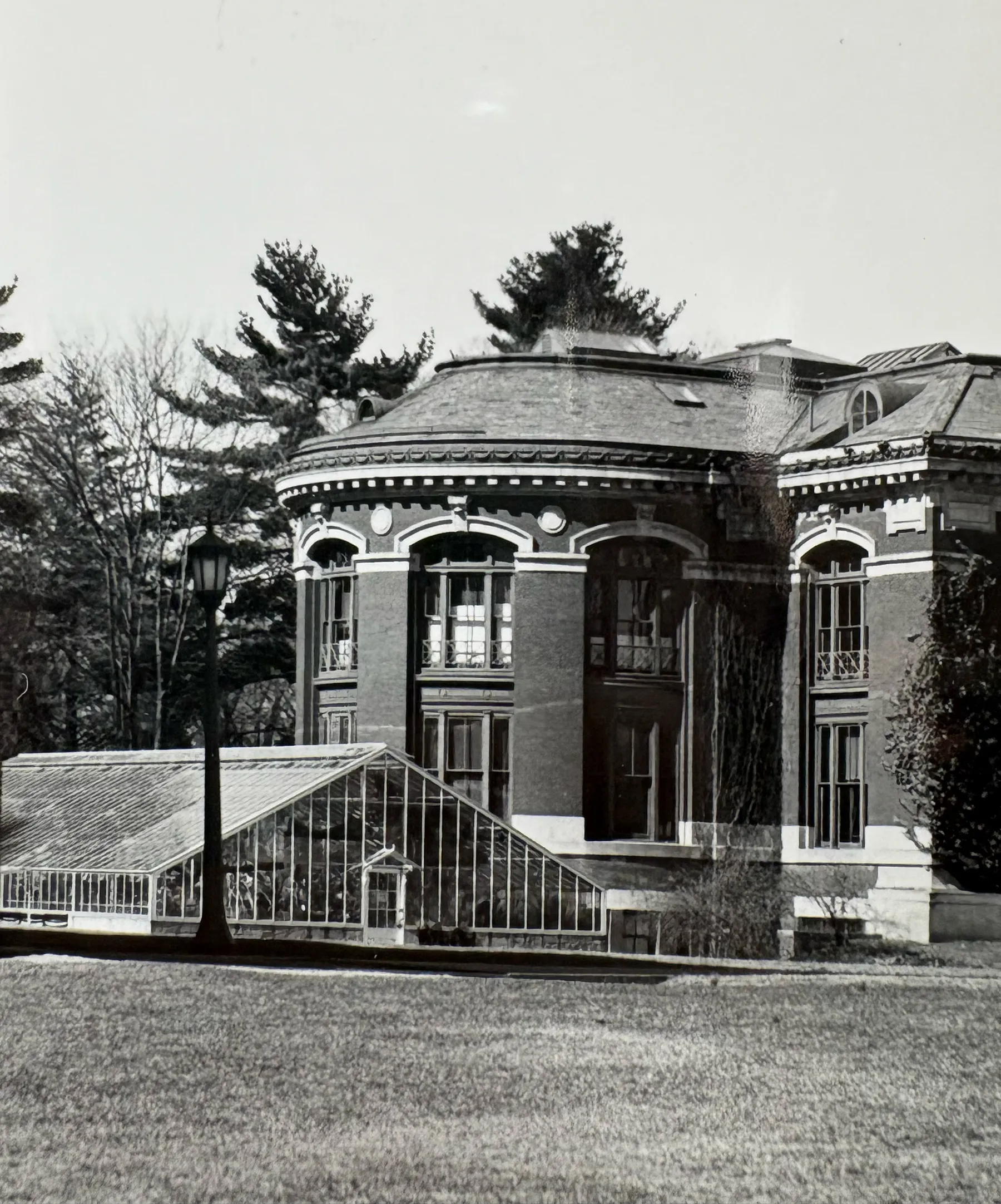
New England Greenhouse
Established 1943
At this time, Vassar had a growing number of Plant Science students, which called for more space. The New England Building was reconstructed to house Plant Science and Zoology, and a greenhouse was added! This became the main academic greenhouse while the Eleanor housed a rare teaching collection.
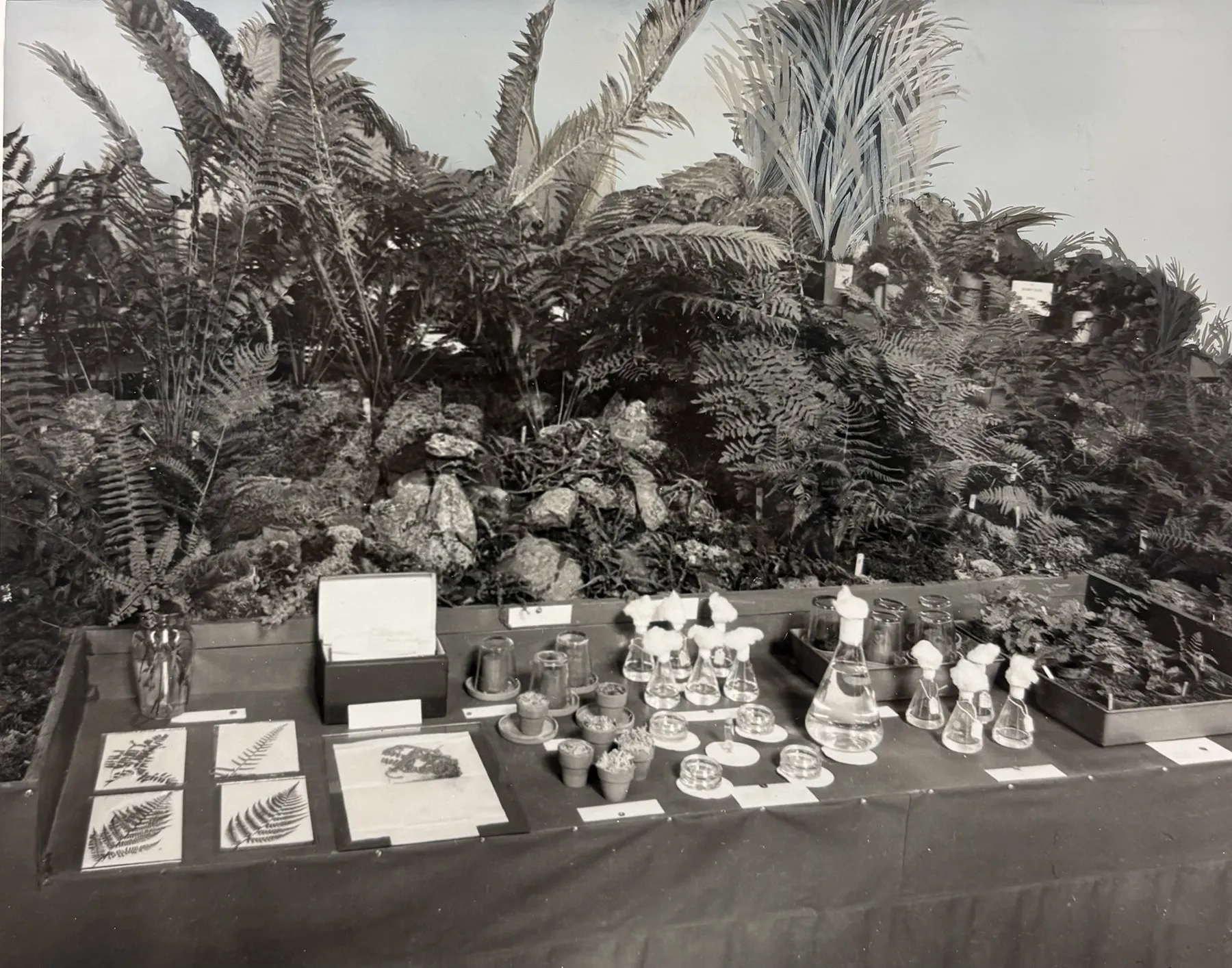
Plant Science Major Dismantled
1962
Vassar’s Plant Science Department was merged with Zoology and Physiology to form a general biology department.
The New England Building was not equipped to house the sciences and move psychology in. Talks of a new science building began!
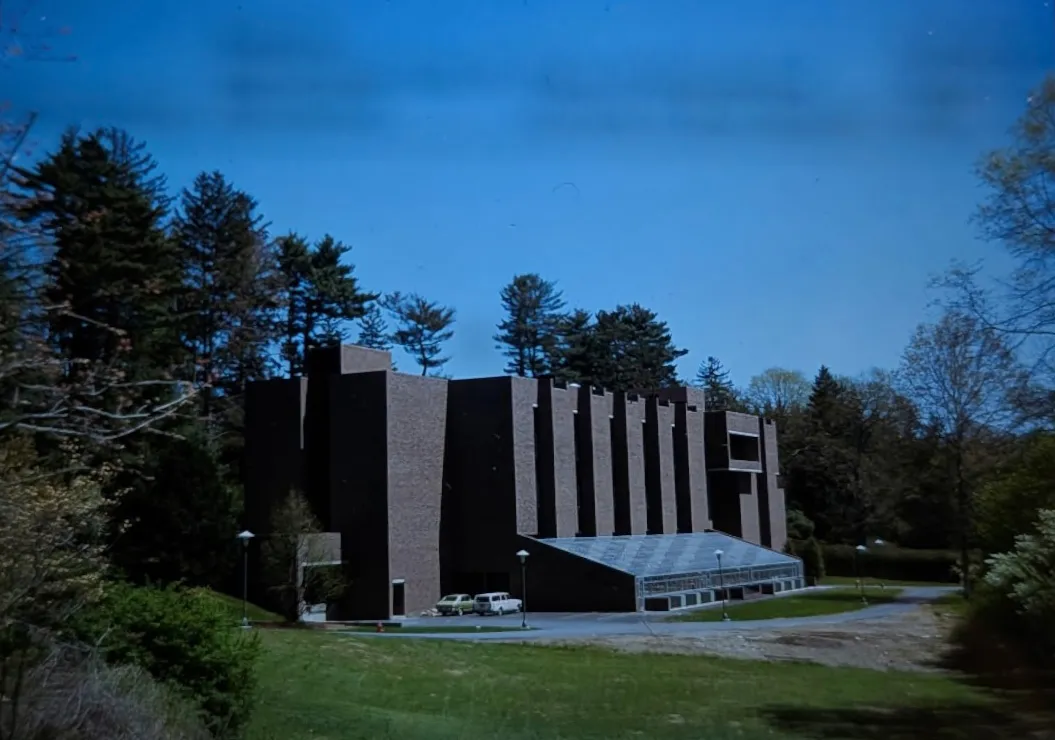
Olmsted Greenhouse
Established 1974
At this time, Vassar had a growing number of Plant Science students, which called for more space. The New England Building was reconstructed to house Plant Science and Zoology, and a greenhouse was added! This became the main academic greenhouse while the Eleanor housed a rare teaching collection.
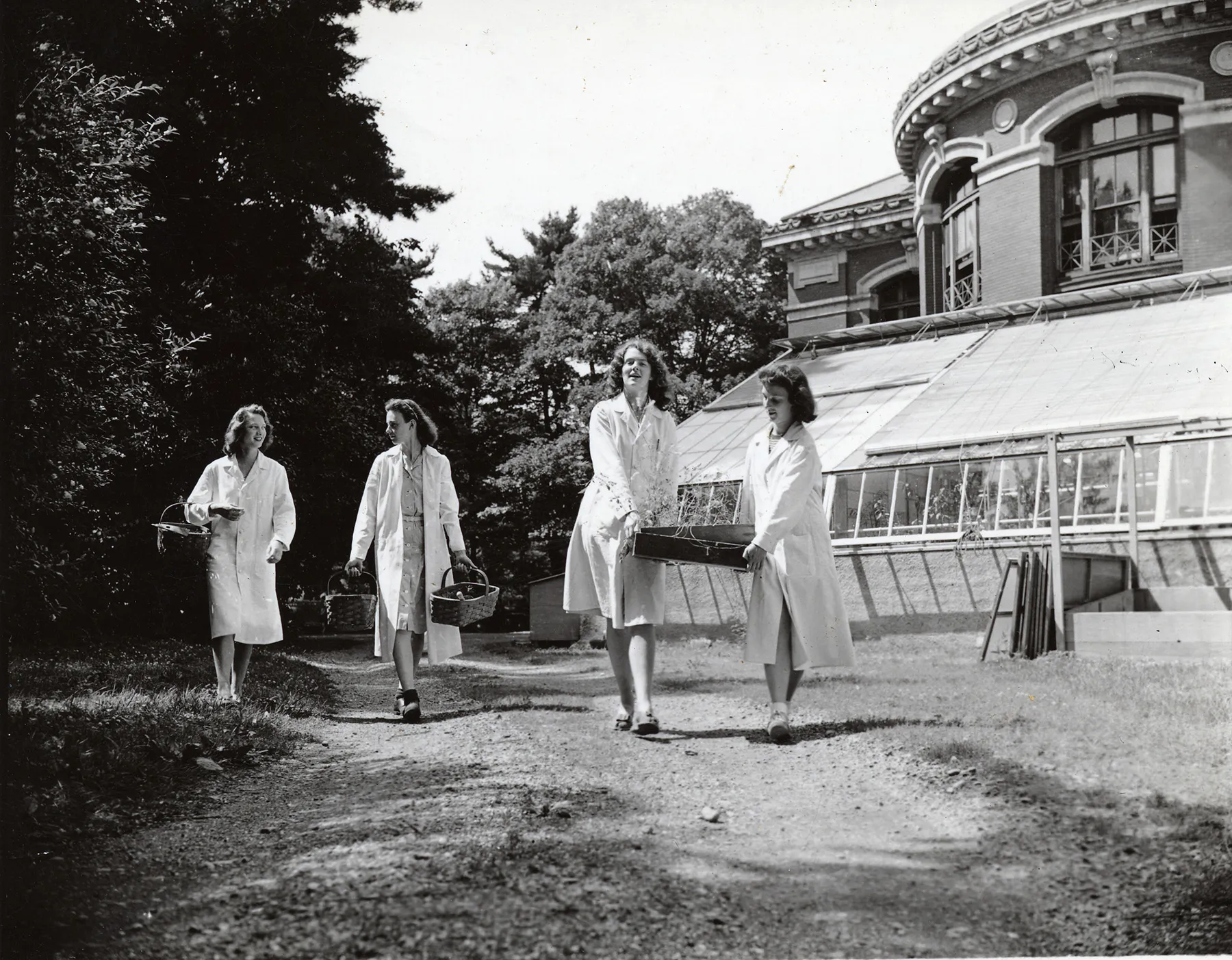
Greenhouses Demolished
1980s
By 1986 both the Eleanor Conservatory and the New England Greenhouse were demolished. The plants that were left were all moved into the Olmsted Greenhouse.
At the end of its days, the Eleanor Conservatory was being utilized as a sculpture studio.
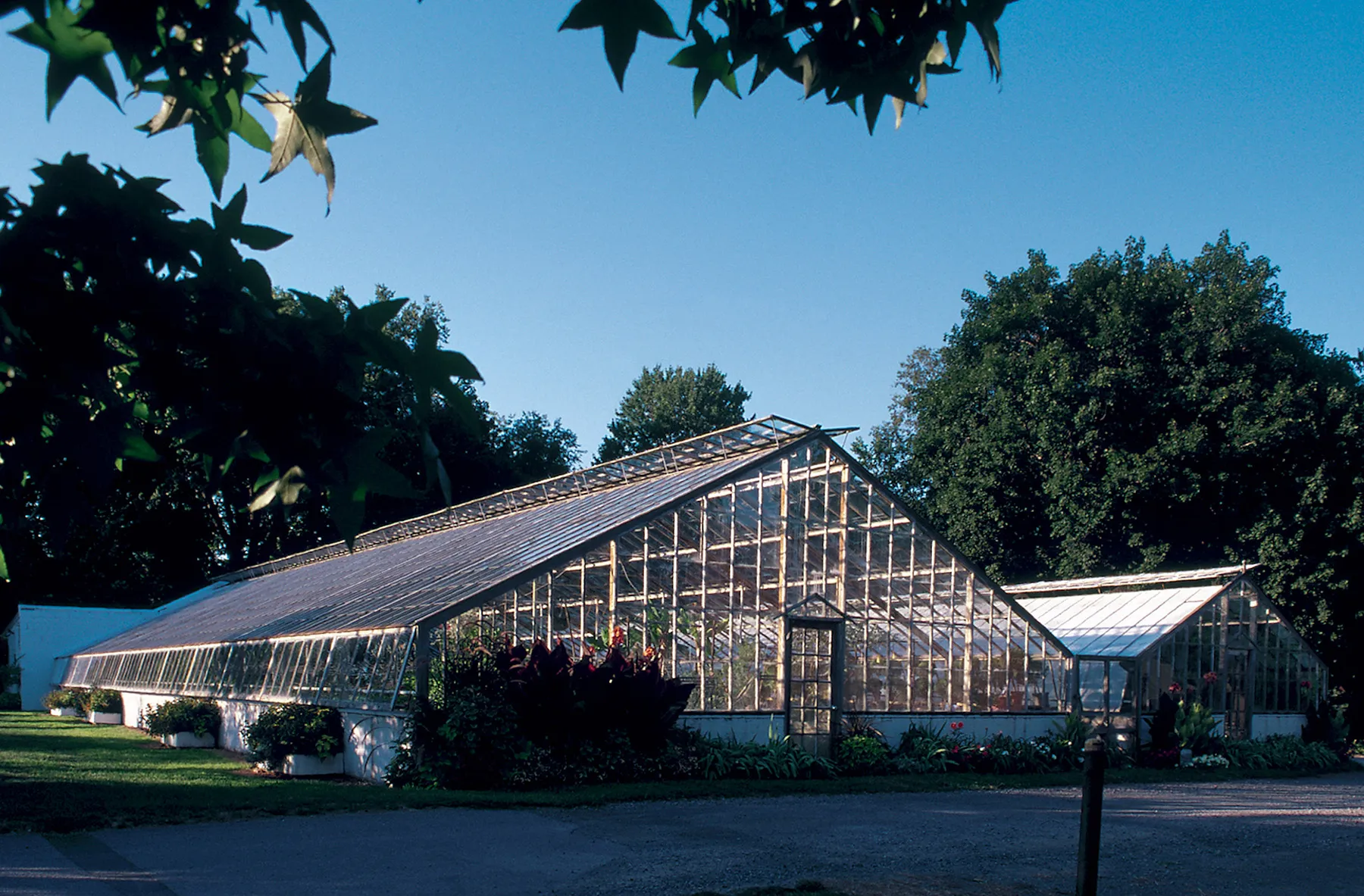
Skinner Greenhouse Closes
Closed due to excessive heat use and need for repairs. Over the years this facility housed a teaching collection, and tree nursery, as well as flowers and food for campus. Horticulture classes were even taught in here! This greenhouse is still intact and is now used as storage for the Grounds Department.