Rebecca Edwards, PhD
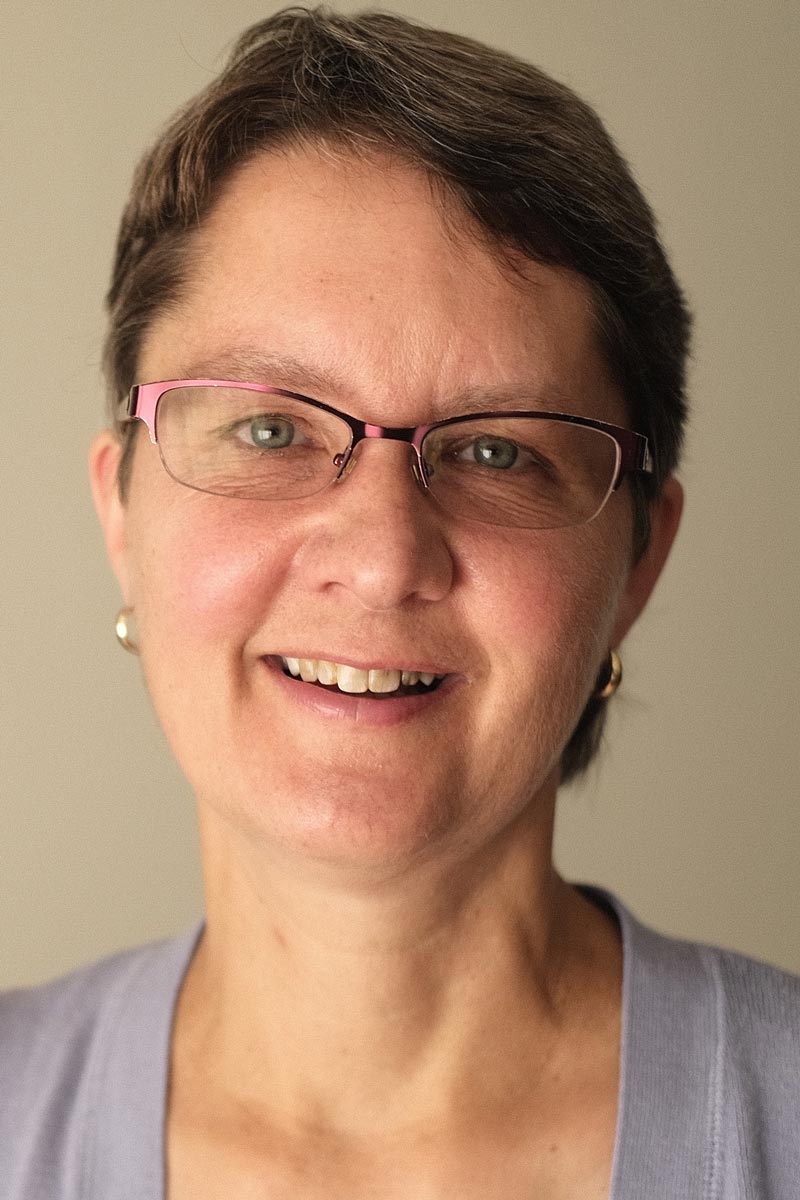
Rebecca taught in the History Department between 1995 and 2025; she held the Eloise Ellery Chair, offering classes on nineteenth-century U.S. history, women’s, gender, and family history, environmental history, and the trans-Mississippi West. She was an active participant in several multidisciplinary programs including Environmental Studies and Global Nineteenth-Century Studies. She served as director of the Environmental Studies Program and Chair of the History Department.
A native of Smithfield, Virginia, Professor Edwards earned her B.A from the College of William & Mary in 1988 and her PhD from the University of Virginia. She studied nineteenth-century U.S. electoral politics, party ideologies, women’s political participation, and the history of the so-called “Gilded Age.” Professor Edwards is the author of numerous articles and reviews and the books Angels in the Machinery: Gender in American Party Politics from the Civil War to the Progressive Era (Oxford, 1997) and three editions of New Spirits: Americans in the “Gilded Age,” 1865–1905, also from Oxford University Press. With James Henrietta, Robert Self, and Eric Hinderaker she has also co-authored multiple editions of America’s History, published by Macmillan, now widely used in AP US History classes as well as at the college level.
Active in civic life, Professor Edwards is a former board member of Amnesty International USA and co-founder of the Mid-Hudson Antislavery History Project as well as Day One Early Learning, a non-profit dedicated to expanding high-quality, affordable early childhood education. In 2017 she ran for Dutchess County legislator and served for two terms, in the second of which she served as Minority Leader. Since 2023, Professor Edwards has served as the Town of Poughkeepsie Supervisor.
Professor Edwards is working on a book, Multiplied, about the nineteenth-century US transition from a “reproductive regime,” focused on childbearing, large family sizes, slavery, and empire-building, and the Republican-led transition to smaller family sizes and a new conception of the relationship between family, government, and public policy.